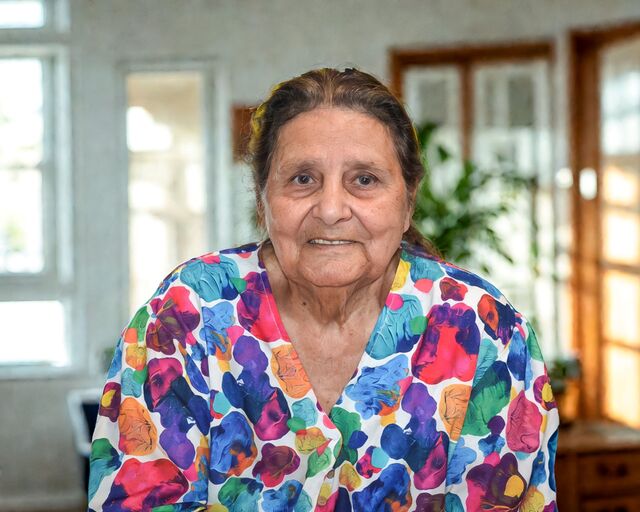
VICTORIA’S commissioner for LGBTIQ+ communities has visited Swan Hill as one of his last acts in the role.
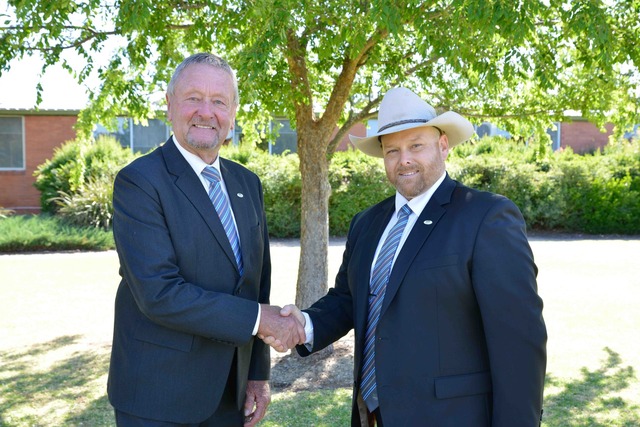
Dr Todd Fernando, who last week announced his resignation from the role, attended Swan Hill District Health with Rural Pride chief executive Daniel Witthaus.
Dr Fernando described his job as “the face of government into community (and) the face of community into government”.
He said they were in Swan Hill to meet with different services and sectors about the work they are doing for inclusion.
“We know that LGBTIQ+ people often feel the need to migrate into the city in order to be their full self,” Dr Fernando said.
“I think that LGBTIQ+ can be themselves in the regions.
“Part of being your full self means that the service sector, the school, the health service, employment groups all need to be able to support LGBTIQ+ people and their needs.”
SHDH chief executive Peter Abraham said the health service were honoured to host Dr Fernando to discuss its journey so far with inclusion and how it can better support a welcoming service for all.
“As a provider of health and support services, and one of the largest employers in our community, it is vitally important that we actively address any real or perceived barriers to equity of access and inclusion for all of our community and our SHDH team,” Mr Abraham said.
Dr Fernando said he was proud of the Victorian Government’s whole-of-government LGBTIQ+ strategy, but the work was far from over.
He said the government’s Rainbow Ready Roadmap was a regional and rural development toolkit that provided “incredible insight”.
Both Dr Fernando and Mr Witthaus expressed their concern about the recent growth of vilification in Victoria.
Mr Witthaus said it was important for business leaders and executive leaders to understand their role in making their workplace an inclusive place.
“When I’m coming to regional communities, and rural Victorian communities, we have got great energy from across the service sector to turn up to these workshops,” he said.
“The challenge that often arises is that there’s not always that executive and leadership support, or those people who are in those roles actually don’t know if they would have the support or would be able to attend a workshop.
“LGBTIQ+ people might not necessarily be presenting to those workplaces, so it can be hard for people to think ‘Why am I doing this, if I don’t see community turning up to our door?’
“I think one of the hardest things is to get them to understand that they are probably already working with LGBTIQ+ people within their communities.”