IT’S been 36 years since Australia’s first female air force pilots graduated in 1988.
This milestone marked a turning point for women in the air force, opening up a variety of career paths, which were once dominated by males.
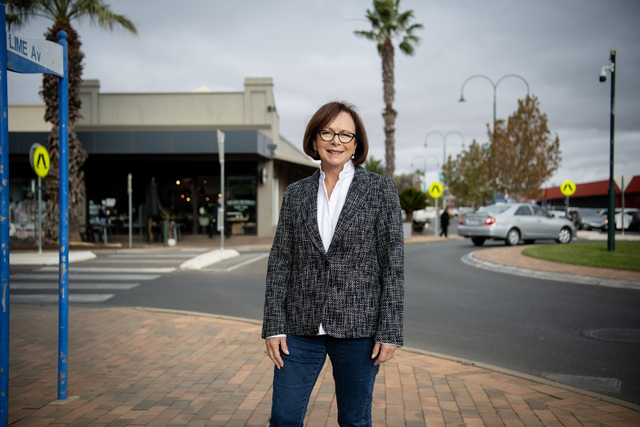
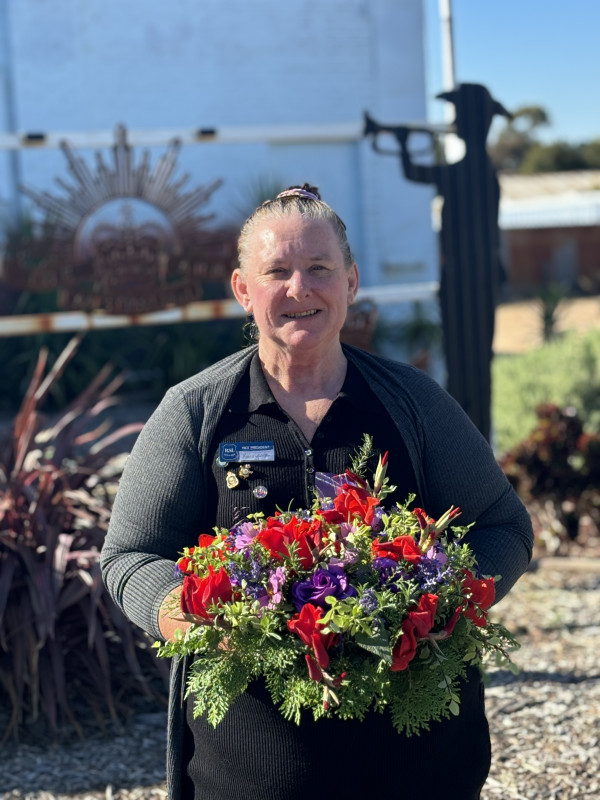
Sea Lake resident Kerryanne Graham joined the Women’s Royal Australian Air Force in 1979.
Back then the air force was very male-oriented, but that didn’t stop her.
Following in the footsteps of her great-grandfather, who served in England, Ms Graham said she was looking for job security and something which would enable her “to give back”.
She was 17-years-old when she boarded a plane and relocated from New South Wales to Victoria to join the WRAAF.
She underwent basic training at RAAF Base Laverton.
“Six weeks later we marched proudly for family and friends as we graduated,” she said.
She had her sights set on becoming an Airframe Fitter, ensuring aircraft was well maintained and fit to fly.
“Unfortunately, I was greeted with ‘Is this fair to the boys?’ ” Ms Graham said.
“I had passed all the exams required, so thought this was a bit discriminatory.”
Despite this initial setback, she happily signed her “blank cheque to serve the Queen and country”, enlisting as a general hand.
Her first posting was Support Command, headquartered in St Kilda.
Within six months, Ms Graham’s commanding officer told her she was “wasting her talents running errands” and was advised to re-muster in an administration clerk role.
“I had obtained the rank of Leading Aircraft Woman (LACW) by this time, so in order to retain my rank on re-muster I had to pass the relevant trade test, which I did,” Ms Graham said.
She also met and later married her husband, a RAAF serviceman.
“It was also at this time the WRAAF was becoming incorporated into the RAAF,” Ms Graham said.
“This now meant that servicewomen who married were allowed to remain serving, whereas previously it had meant being discharged.”
Along with her re-muster, came a posting to a new base, RAAF Point Cook, where she became the administration clerk at The School of Languages.
“This was where different languages were taught to officers who would go on to become intelligence officers,” Ms Graham said.
She would often travel between Point Cook and Laverton, where English was taught to foreign military members serving in Australia.
While on maternity leave, Ms Graham was advised she had been posted to the Medical Flight School, based at Point Cook.
“At this time my enlistment was about to expire,” she said.
“I was given the option of re-enlistment or to take my discharge. Although by now, it was no longer frowned upon to be married, it was not recommended to remain if you had children, as the Air Force did not look upon you as a family unit, so there was no guarantee that a serving married couple would be posted together.”
With this in mind, she was discharged.
Ms Graham said lots had changed since she was first enlisted and these days, family situations would be taken into account.
Despite being discharged, Ms Graham said she thoroughly enjoyed her time with the RAAF and wouldn’t change a thing.
“It was an honour to serve my Queen and country,” Ms Graham said.
“And to follow in the footsteps of so many women and men who came before me.”