A UNIQUE partnership between the Australian Catholic University and local Catholic schools will help bolster employment opportunities, while addressing teacher shortages within the region.
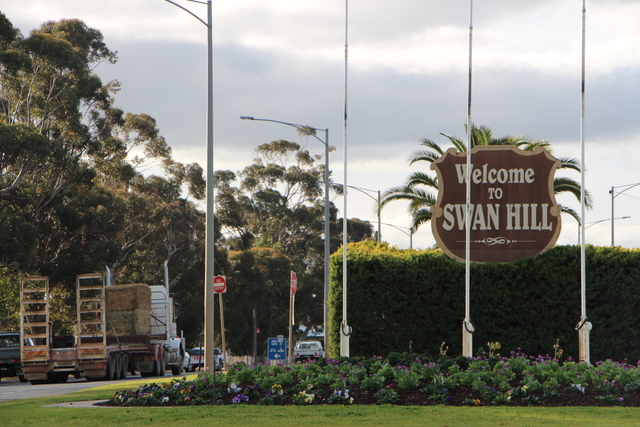
The innovative pilot program is the first of its kind to take place in Victoria, with plans to establish an education hub in Swan Hill.
ACU Ballarat campus dean and deputy head for the National School of Education for Ballarat and regional Victoria Professor Bridget Aitchison said the program model was “very much about partnering with schools to develop long-term relationships that encourage students to consider returning to the region to work after they have graduated from ACU”.
She said the university and the Catholic Education Office at the Diocese of Ballarat were committed to exploring ways to partner together to service the needs of schools in Western Victoria.
“As a national university, ACU understands the different needs of regional students and employers,” Prof Aitchison said.
The program aims to expose students to regional and rural educational settings, offering academic and financial support to participants.
“It’s about capacity building for Western Victoria – exposing our students to a different type of school than they may otherwise have experience of, building long-term relationships with regional schools, supporting the needs of the schools and hopefully encouraging our students to consider working permanently in the region,” Prof Aitchison said.
Schools in Swan Hill, Robinvale, Sea Lake and Donald will take part in the pilot, and it’s hoped placements will commence as early as next term with around 10 pre-service teachers involved across both primary and secondary schools.
St Mary MacKillop College is one of five schools to sign up to the program and principal Michelle Haeusler is confident the collaboration will help address the shortage of teachers within regional centres.
“The challenges of attracting teachers to rural areas have increased over time,” Ms Haeusler said, noting in the current climate it was difficult to find teachers in all subject areas.
“Where metropolitan or large regional cities might attract over 20 applications for a position, we often struggle to receive one.
“I imagine that moving from a suburban area to a rural town may be difficult, even scary for some people. However, we provide the support for teachers in their transition and assist with finding housing.”
Although the pilot program is still in its early stages, Ms Haeusler is hopeful it may benefit other regional areas within the state.
“We are hopeful that if pre-service teachers complete at least one teaching round, preferably two teaching rounds in our schools they will get to know our communities and realise that rural schools are amazing places to work,” Ms Haeusler said.
“They may not stay in Swan Hill, but hopefully they will apply for a position in another rural school.”