IN A bid to attract and retain nursing staff within regional Victoria, one Mallee-based health organisation is getting back to basics.
Mallee Track Health and Community Service, which provides aged care, primary and allied health care services throughout the Mallee, is addressing recruiting challenges with a “home-grown” approach.
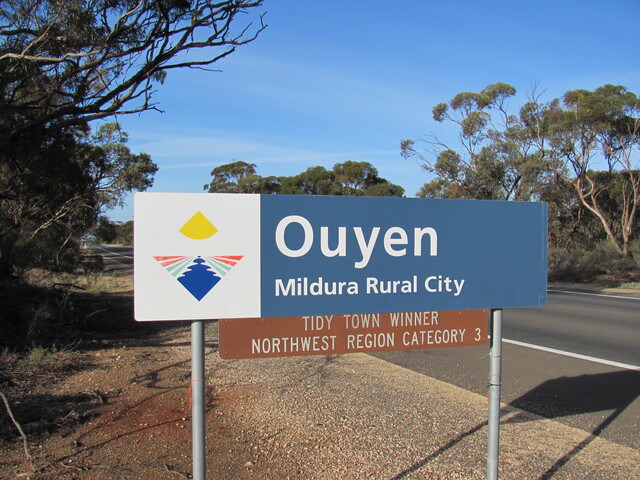
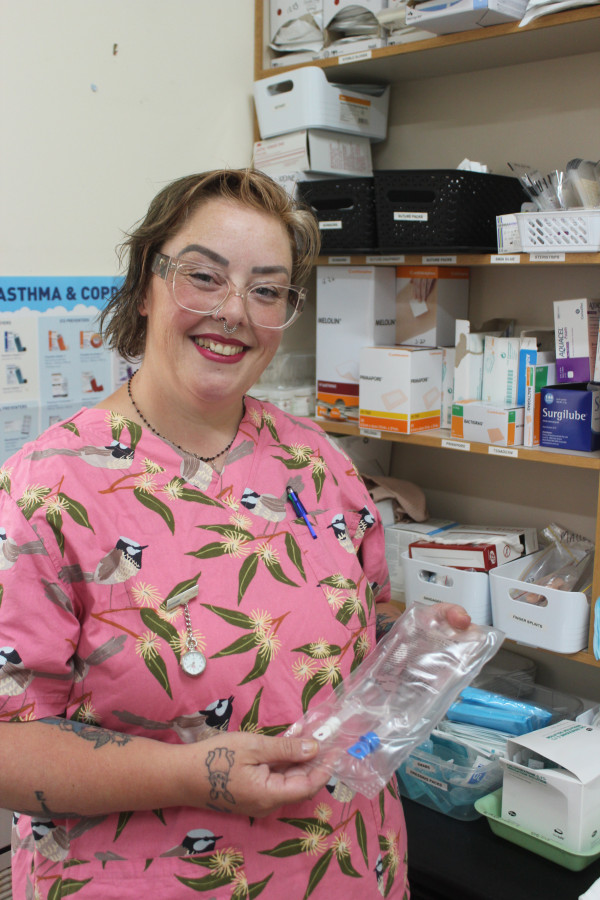
Ouyen nurse unit manager Nicole Magnisalis said the nursing workforce had taken a big hit nationwide since the beginning of the COVID-19 pandemic, and many people had left the profession.
“We have had staff resign or retire in the past three years, and have been unable to replace these positions despite ongoing advertising and have been heavily reliant on agency nurses to fill the shortfall,” Ms Magnisalis said.
“Issues such as a lack of housing and accommodation for potential staff, and the sheer remoteness of our location means that nurses are reluctant to move away from their family and supports in the city to take up a permanent position here.”
The distance from metropolitan areas, a lack of housing, lack of transport options and the lure of short-term financial gain by working for nursing agencies were some of the obstacles which the organisation faced.
MTHCS has launched a range of programs aimed at local residents, with the emphasis on investing in the region’s own home-grown talent.
“The initiative was brought about by necessity as we have been unsuccessful in recruiting via the usual methods,” Ms Magnisalis said.
“We have previously had success with retaining staff from diploma traineeships, and those who have worked in an undergraduate capacity while studying.”
This year, MTHCS relaunched its Diploma of Nursing Traineeships, providing four traineeships across its two sites in Ouyen and Sea Lake.
The students complete their training at Federation University in Horsham, where they spend three days a week, followed by two days per week at their work locations.
“These students live locally and gain on-the-job experience within the workplace, while obtaining their qualification,” Ms Magnisalis said.
MTHCS has also welcomed their first student into their Graduate Nurse Program.
The 18-month program has a rural generalist nursing focus, covering a range of topics including aged care, primary care, district nursing and urgent care, with options to experience ICU, operating theatres, emergency departments and maternity.
“We are offering housing with reasonable rent and assistance to pursue further education or career pathways, once employed,” Ms Magnisalis said.
Other initiatives provide qualifications in personal care for aged care workers and student placements.
“Many people don’t get to experience the broad scope required to work in a small rural health service, so often don’t consider this as a career choice,” Ms Magnisalis said.
“We believe that early exposure to the rewarding aspects of this type of nursing will encourage people to give it a try once they graduate.”
Ms Magnisalis said the aim of the programs was to grow their own local health care workforce, with trainees offered employment once they were qualified.
“The programs are supported by qualified onsite Nurse Education staff who are trained to deliver education and facilitate placements that suit the needs of the students,” Ms Magnisalis said.
“Interest in both the diploma traineeships and Certificate III Individual Support courses has steadily increased as more people hear about the opportunity to train and work locally.
“We anticipate that interest in these programs will grow as the students and trainees finish their courses and the graduate program matures.”