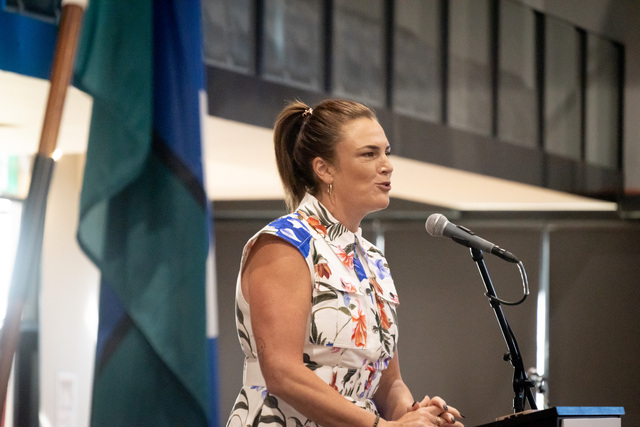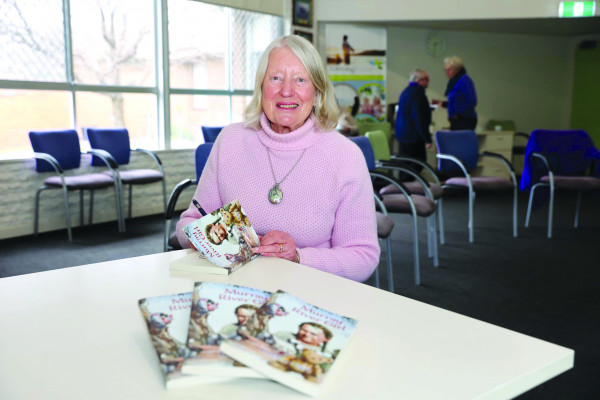
MELBOURNE-based author and educator Cathy Hope has written several educational reference books for children and teachers – some of which were shortlisted for awards.
It was while working in New Zealand that she met the subject of her latest book, Murray River Girl.
Murray River Girl is Ms Hope’s 30th book and chronicles Roma Smith’s fascinating and difficult childhood living in a tent beside the Murray River.
Roma’s story takes place in Coomealla New South Wales during the Great Depression and a polio epidemic.
“I was telling everyone about my carefree childhood in New Zealand, and Roma said she would like to tell me her story,” Ms Hope said.
“She told me she hadn’t told many people her story before.
“Roma’s father was a swagman and her mother was a shearer’s cook.
“Her parents couldn’t afford to buy a house and they couldn’t even afford a tent in the Great Depression.
“They sewed together sacks they found at the rubbish tip to make a tent.”
After launching the book in 2022, Hope is touring towns along the Murray River to share it with locals, for whom the setting might resonate.
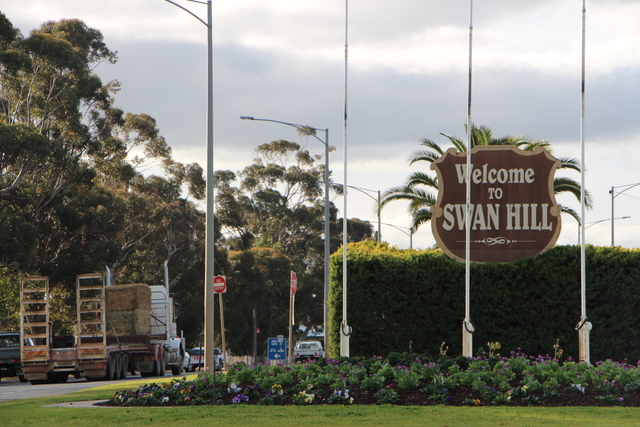
Hope will give an author talk at the Swan Hill library as well as Swan Hill Retirement Village on September 2.
“There are a lot of elderly people who live here that will relate to Roma’s story because they had their childhood at the same time,” she said.
“I will also be visiting St Mary’s and Woorinen primary schools, encouraging children to learn about river life during the Great Depression.
“My intention is to talk to as many children as I possibly can along the Murray River,” she said.
“I want them to know what life was like on the Murray 80 to 90 years ago.”
“Roma’s playground was the river and she climbed the redgum trees and had a great love for all the birds and native animals that lived along the river.
“Children who have read the book, were amazed that Roma couldn’t turn on switches to have lights, or use a refrigerator to store food.
“They had to live near the river because they needed a source of water to wash themselves and have drinking water.
“It’s fascinating for children to learn what it was like back then, even down to what they used as toilet paper.”
Hope said if it wasn’t for COVID-19 lockdowns, the story wouldn’t have been completed.
“If not for lockdowns, I may have never had the time and peace of mind to sit down and write the story,” she said.
“I sat down on the phone for hours with Roma, and I would just ask her about all the different aspects of her life, from what she ate to what she would do for fun.”
“Before this, she didn’t really tell people because she was embarrassed about growing up so poor.”
“But I encouraged Roma to tell her story to give children the history of life on the river during the 1930s.”
“Three weeks before she died, I was getting really worried because I wanted her to have the joy of seeing the book published and holding the book in her hands and reading her own story,” Ms Hope said.
“I wanted her to be able to give copies to all her grandchildren, which she had a chance to do before she died.”
Murray River Girl will be available for purchase at Collin’s Booksellers.