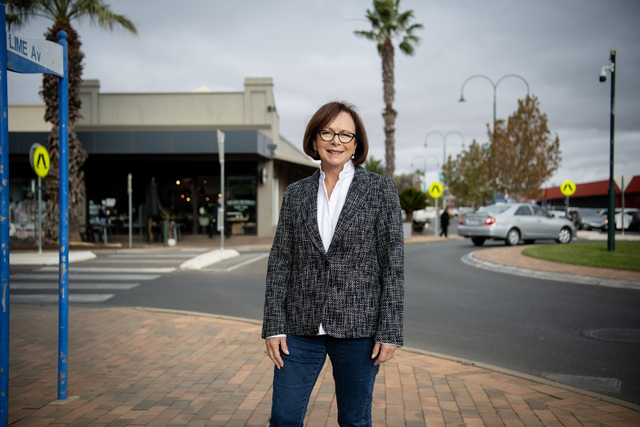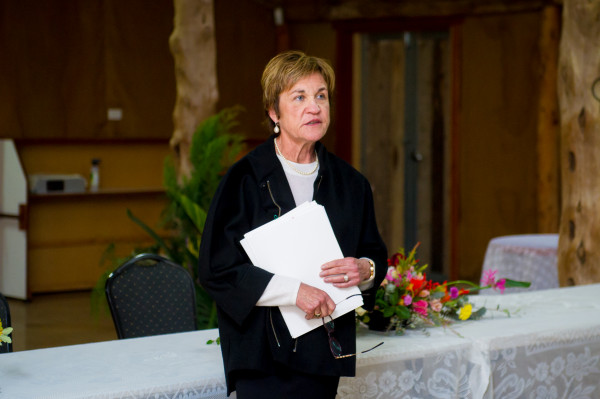
MEMBER for Murray Helen Dalton has called for the NSW Government wait for the recommendations from last week’s inquiry into floodplain harvesting before it submits further proposals for regulation.
With the Upper House of NSW Parliament due to sit on October 1, Mrs Dalton said attempts by Minister for Water, Industry and Planning Melinda Pavey to legalise floodplain harvesting by introducing regulations would be blocked by members of her Shooters, Fishers and Farmers Party.
“I’ve spoken to other house colleagues in the Shooters, Fishers and Farmers (SFF) and Robert Borsak has assured me that he would lead the disallowance motion.
“If Minister Pavey puts … regulations up, they will be disallowed yet again – until we go through the proper process.”
Mrs Dalton was “not against floodplain harvesting”, but she said the 263 submissions made to last week’s inquiry into floodplain harvesting showed stakeholders had many concerns about the practise.
Aside from the question on the lawfulness of floodplain harvesting, the inquiry heard about the environmental, social and economic impacts of the practise on communities from the northern basin down to the lower Darling.
Mrs Dalton said the practice of floodplain harvesting as it stood privileged some people over others, and said any regulation needed to recognise “critical human needs”, such as the needs of Indigenous people.
“We know that at Wilcannia, the average life expectancy of a male First Nations (person) is 37 and a female 42. Now, that tells a story.
“The First Nations will say the rivers are their supermarket. So what’s it doing to them?”
Mrs Dalton said she recognised the needs of cotton farmers in the north, but said that people harvesting floodplain water had to adhere to caps on water take.
“If water doesn’t get to the Darling – if it gets taken (and) harvested into people’s private dams, the Darling just lives with dregs, (and) that’s impacting on communities, it’s impacting on the livelihoods of people downstream.”
Mrs Pavey said the evidence presented at the inquiry pointed to a need to regulate floodplain harvesting in order to “minimise environmental impact”.
“The evidence highlights two certainties – floodplain harvesting is legal and because of the disallowance there is now water in private storages that could have flowed down to critical local ecosystems, including the Gwydir Wetlands and the Macquarie Marshes,” Mrs Pavey said.
“Without clear, unambiguous legislation to rein it in, floodplain harvesting will continue.”
However, in his submission to the inquiry, Sydney barrister Bret Walker SC said questions regarding the legality of floodplain harvesting could not be answered as no law existed to address the activity specifically.
While Mr Walker said that floodplain harvesting was “crying out for regulation”, he went on to say that regulation and monitoring takes of water needed to facture in “the Indigenous enjoyment of flows and … consumptive use downstream”.