A FEATHERY local – four-year-old Keith the straw-necked ibis – has returned to his home town, according to CSIRO.
CSIRO senior research scientist Dr Heather McGinness explained that since leaving the Kerang Lakes as a youngster, Keith had been a nomad and moved around Victoria and southern NSW as he pleased.
“He dropped in to the Kerang Lakes again when he turned three years old last year, then kept moving – but now he’s back, and at four years old he just might be thinking about starting his own family back home at Kerang for the first time,” Dr McGinness said.
“Ibis are devoted parents, taking their time courting and dancing with their partners, doing long shifts looking after their eggs and chicks, and working hard to find food to raise them.
“They nest in colonies together with lots of other ibis and waterbirds for safety.”
There are actually three different ibis species in Australia: the straw-necked ibis (“the farmer’s friend”), the Australian white ibis (“bin chicken”), and the glossy ibis (“outback ibis”).
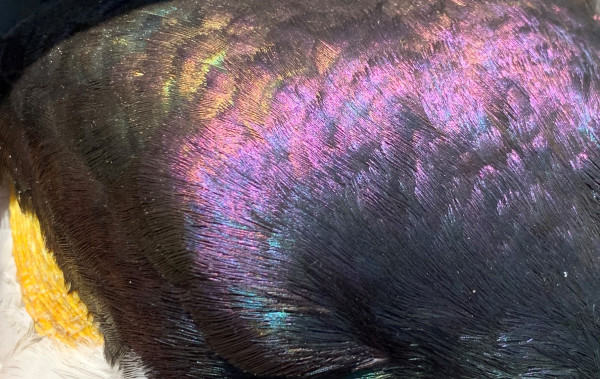
Straw-necked ibis like Keith are dark waterbirds with beautiful iridescent rainbow feathers on their backs and wings and yellow straw-like feathers on their necks.
“They love to gorge on locusts and other pests, but also often eat frogs, fish, aquatic bugs and spiders,” Dr McGinness said.
“They don’t usually make a habit of visiting tips or bins like their cousins the white ibis.”
Keith was born at Kerang Lakes in the spring of 2017 and was caught by researchers when about 50 days old.
Researchers fitted him with a lightweight and custom-made backpack harness made of slippery soft teflon ribbon, carrying a GPS satellite transmitter.
This sends his locations to satellites every hour of the day as well as at midnight when he’s sleeping but doesn’t restrict his movement.
People who spot Keith in the wild will also notice his fancy leg-bands – he’s wearing Aussie green-and-gold on his left leg, and orange and metal bands on his right.
There are more than 100 waterbirds who are being tracked to discover more about when and where ibis and our other flying friends go to eat, sleep, breed and take refuge.
Researchers and water managers like the Commonwealth Environmental Water Office want to have as much information as possible to effectively manage populations and habitats into the future.
So if you’re visiting the Kerang Lakes bird hide, or you see ibis foraging, say hello to Keith and his friends – just don’t call them bin chickens.
To find out more about this research, visit research.csiro.au/ewkrwaterbirds and flow-mer.org.au/basin-theme-biodiversity.