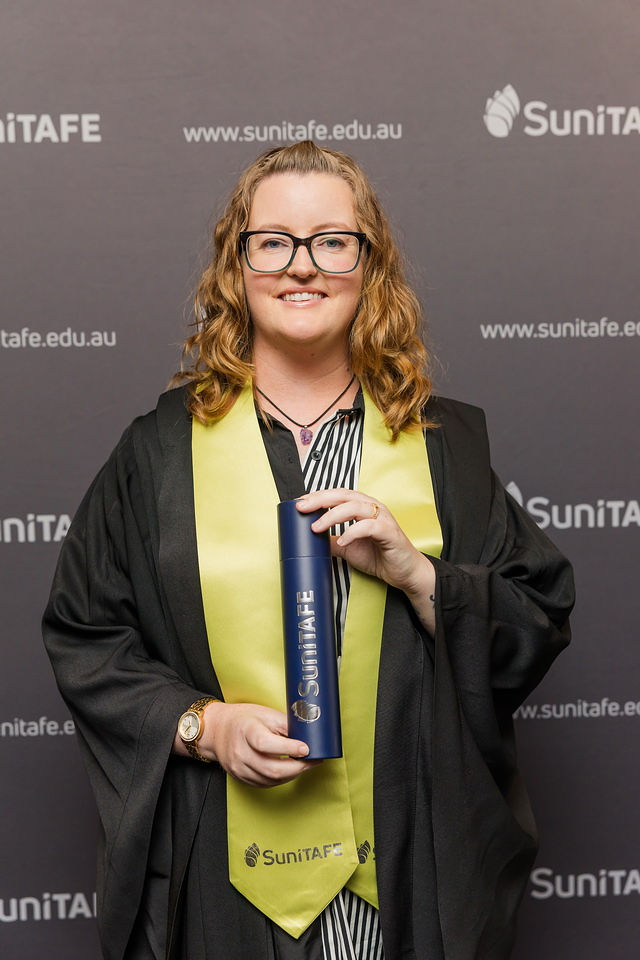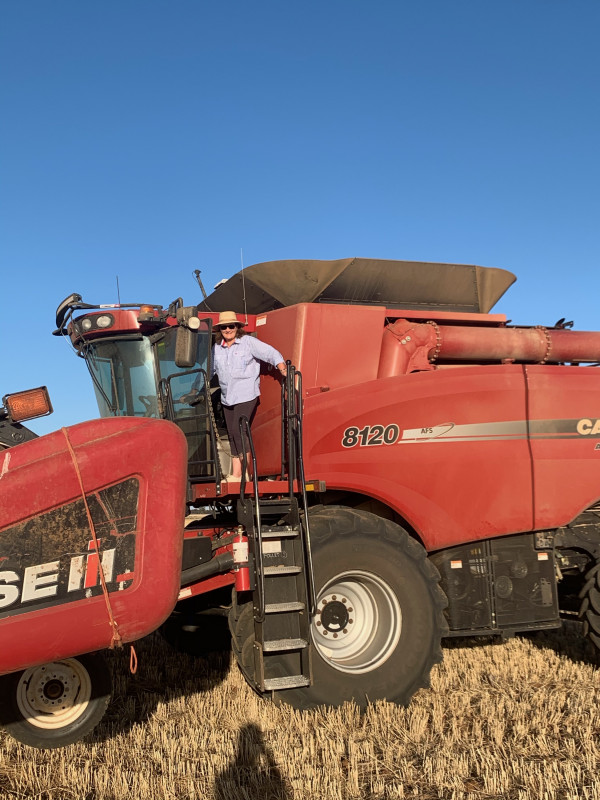
FARMERS like Birchip-based Bernadette Hogan are already well aware of the disastrous impacts of climate change, having lived through the devastating millennium drought.
As the world’s attention has been on the Glasgow climate conference, with leaders discussing the future of the planet under climate change, Mallee minds are thinking more locally.
“A big, main risk in the north west part of the state – which is already a low rainfall area – will be prolonged droughts,” Ms Hogan said.
“That will decimate the viability of agriculture in the area and in one or two generations farming in our region might be impossible.
“The scarcity of future water resources might price farmers out of the market, and those farms that rely on irrigation will become unviable.”
A broadacre farmer growing cereals and pulses alongside sheep, Ms Hogan said the impacts would be “very real”, speaking from her experience raising a family during the drought.
“It’s so difficult to spend money on a crop and then watch it die,” she said.
“It decimates rural communities and people move out of the region, but there are opportunities to proactively engage with.
“As far as carbon farming, we’re pretty restricted in lower rainfall areas but we have some of the best renewable energy in the country.”
Ms Hogan was positive about the future opportunities like solar which she called a “no-brainer” and hoped smaller towns might be able to become self sufficient with this technology and draw more people to the region.
She was also excited about the potential of electric vehicles on farm citing a new Ford model on the American market that can be charged in 15 minutes for 800km range.
“There’s huge money saved on fuel instead of a diesel tank and if you put solar panels on your shearing shed for the supercharger, that will cost you nothing.”
“It’s good to be able to reduce production costs on fuel at a time when fertilisers are costing more to import.”
Ms Hogan said she hopes the government respects that electric vehicles are one of the easier adoption options, and that it assists with practical structures.
Farmers are embracing other technology to mitigate costs – like trials hydrogen-run trucks in Mildura, as well as CSIRO green hydrogen trials on farms.
Now that The Nationals have confirmed their commitment to net zero by 2050, Ms Hogan said the community needed to ensure the region receives sufficient investment to “set us up for generations”.
She would also love to see more funding for the research groups that educate agriculture communities, and research into different ways to feed crop besides imported fertilisers.
Farmers in the Mallee have already adapted their methods from the days of the millenium drought when top soils were rapidly blown away.
“The transition to minimum and low-till farming allowed them to increase productivity while retaining moisture,” Ms Hogan said.
“I love to see those opportunities because I know what it was like, as an accountant, helping during the drought and the end of year finances were very difficult for people.
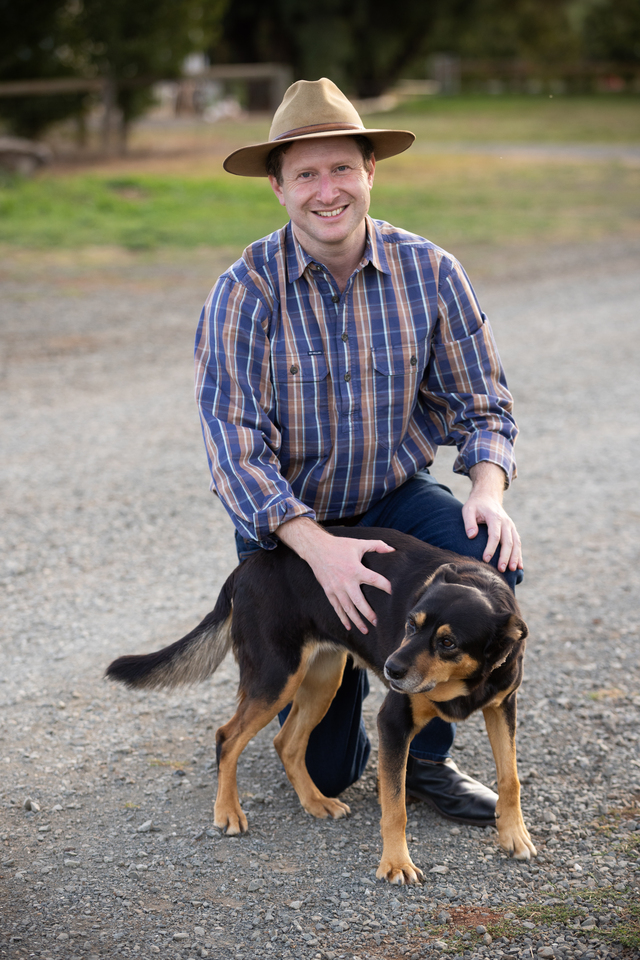
“We have opportunities here now and we know how to deal with drought, we have the knowledge to influence outcomes.” ———————NEW South Wales farmer Peter Holding farms crops such as canola and wheat and runs sheep, and he said the climate forecast is “tragic”.
He has a background in agricultural science, and is member of the Climate Kelpie – a one-stop shop for farmers after practical information and tools with which to manage climate change risk and impact.
“Global warming is what we are really talking about, and that will affect the intensity and frequency of storms and droughts,” Mr Holding said.
“People are debating it, but that is a way of not concentrating on the problem of emissions which drives the warming.”
More extreme weather, like the rain that will be arriving on his land over the next week, is likely to reduce his production significantly.
This year he chose to reduce the amount of nitrogen he used on his canola crop both because it was so expensive to import, and because of the risk of the upcoming rain.
He was willing to make that decision to have a lower yield for lower risk, but said if everyone made that same choice, there would be a “serious problem with food supply”.
“If we follow the path we’re on there will be a lot of hungry people,” he said.
“There are opportunities all over the place but fundamentally we need to stop fossil fuel emissions.”
While Mr Holding acknowledged that agriculture plays a part in emissions, he argued that since the rise in methane levels from 2007, cattle numbers have actually fallen, and that the rise could be attributed instead to the underreporting of fossil fuel use.
He also questioned the value of offsetting burning fossil fuels with planting trees, and suggested these fuels are best left in the ground.
Mr Holding has converted his property to solar power, and thinks that over the next five years he will decide on the best electric vehicles or hydrogen run vehicle for his situation.
He said it would be a “massive” undertaking considering the amount of expensive machinery farmers have to replace.
As it stands, Mr Holding does not believe the government is doing anywhere near enough, and the gas led recovery is “ridiculous”.
“People need to have a hard look at their representatives as elections approach, because in about eight years it will all be over red rover,” Mr Holding said.
“I don’t think people realise how close to the edge we are.”