RSPCA Australia has welcomed a new funding commitment from the wool industry for initiatives aimed at breeding flystrike-resistant sheep — a move that may eliminate the need for mulesing.
Australian Wool Innovation (AWI), the not-for-profit research and development arm of the wool industry, will spend an extra $950,000 to accelerate research into flystrike genomics and new extension workshops on breeding for natural flystrike resistance.
This takes AWI’s investment in breeding for flystrike resistance-related projects since 2005 to $9.9 million, and comes after the August announcement of an additional $650,000 to fast-track further investigations into the development of a flystrike vaccine.
AWI Chair Jock Laurie said flystrike remains one of the biggest challenges for Australian woolgrowers.
“The breeding of more profitable naturally resistant sheep to flystrike is a core research project for AWI and we are putting more money into it,” Mr Laurie said.
“As the industry’s Wool2030 strategy highlighted, growers want to have confidence and tools to manage flystrike without mulesing.
“Evidence of increasing blowfly resistance to chemicals and the shortage in shearers are extra reasons why AWI will speed up this work.”
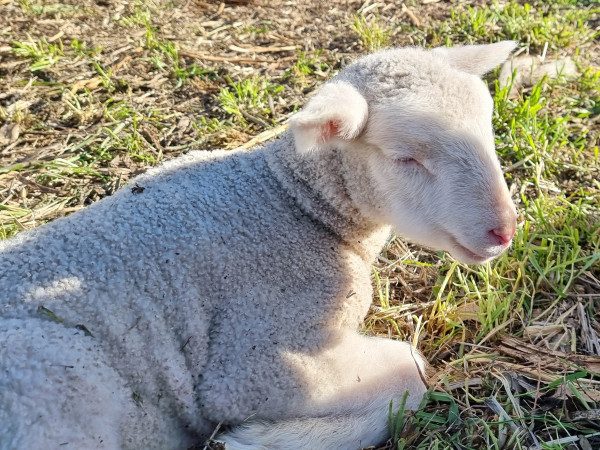
Mulesing involves cutting crescent-shaped flaps of skin from around a lamb’s breech and tail in a process animal advocates including the RSPCA describe as “painful”.
“When this painful wound heals, it creates an area of bare, stretched scar tissue which has no folds or wrinkles and is less likely to attract blowflies,” an RSPCA spokesperson said.
“This makes mulesed sheep less susceptible to flystrike in the breech area.”
Flystrike is potentially fatal and occurs when blowfly eggs, laid in the moist breech area of sheep, hatch into maggots and feed off the flesh of the animal.
“The RSPCA has long argued that breeding plainer bodied, flystrike-resistant sheep that don’t need to be mulesed is the only way to address this issue,” said RSPCA Australia Senior Scientific Officer Melina Tensen.
“It’s positive to see the industry recognise this and we welcome the news of additional funding. Mulesing is simply not defensible in the long term, especially when breeding flystrike-resistant sheep is a viable option.
“Consumers are also becoming more aware of the animal welfare issues with mulesing, and many fashion brands both in Australia and overseas are steadily moving away from sourcing wool from mulesed sheep.”
AWI will support farmers to understand and implement the genetic tools available to them in order to breed plainer-bodied, flystrike-resistant sheep.