Home » Farming and Environment » Breeding science may end mulesing

Breeding science may end mulesing

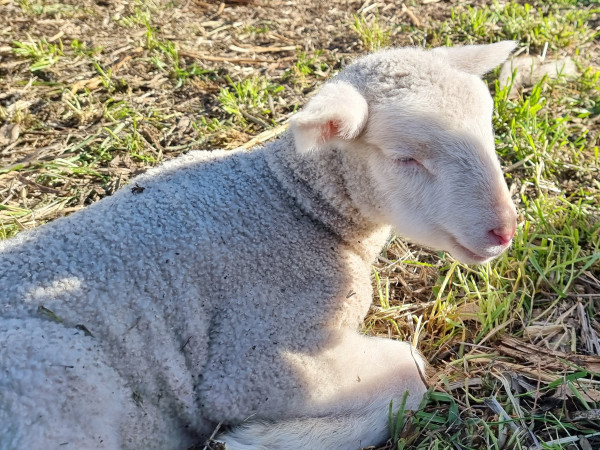
RSPCA Australia has welcomed a new funding commitment from the wool industry for initiatives aimed at breeding flystrike-resistant sheep — a move that may eliminate the need for mulesing.

Australian Wool Innovation, the not-for-profit research and development arm of the wool industry, will spend an extra $950,000 to accelerate research into flystrike genomics and new extension workshops on breeding for natural flystrike resistance.

This takes AWI’s investment in breeding for flystrike resistance related projects since 2005 to $9.9 million, and comes after the August announcement of an additional $650,000 to fast-track further investigations into the development of a flystrike vaccine.

AWI Chairman Jock Laurie said flystrike remains one of the biggest challenges for Australian woolgrowers.

“The breeding of more profitable naturally resistant sheep to flystrike is a core research project for AWI and we are putting more money into it,” Mr Laurie said.

“As the industry’s Wool2030 strategy highlighted, growers want to have confidence and tools to manage flystrike without mulesing.

“Evidence of increasing blowfly resistance to chemicals and the shortage in shearers are extra reasons why AWI will speed up this work.”

Mulesing involves cutting crescent-shaped flaps of skin from around a lamb’s breech and tail in a process animal advocates including the RSPCA describe as “painful”.

“When this painful wound heals, it creates an area of bare, stretched scar tissue which has no folds or wrinkles and is less likely to attract blowflies,” an RSPCA spokesperson said.

“This makes mulesed sheep less susceptible to flystrike in the breech area.”

Flystrike is potentially fatal and occurs when blowfly eggs, laid in the moist breech area of sheep, hatch into maggots and feed off the flesh off the animal.

“The RSPCA has long argued that breeding plainer bodied, flystrike-resistant sheep that don’t need to be mulesed is the only way to address this issue,” said RSPCA Australia senior scientific officer Melina Tensen.

“It’s positive to see the industry recognise this and we welcome the news of additional funding. Mulesing is simply not defensible in the long term, especially when breeding flystrike-resistant sheep is a viable option.

“Consumers are also becoming more aware of the animal welfare issues with mulesing, and many fashion brands both in Australia and overseas are steadily moving away from sourcing wool from mulesed sheep.”

AWI will support farmers to understand and implement the genetic tools available to them in order to breed plainer bodied, flystrike-resistant sheep.
Digital Editions


More News

  • Fire, heat blamed for late arrival times

    Fire, heat blamed for late arrival times

    SWAN Hill passenger train services recorded their lowest punctuality ever in January, V/Line figures show. Reliability on the line was 85.1 per cent, while punctuality dropped to 63.5 per cent,…

  • Getting Lake Boga tourism on track

    Getting Lake Boga tourism on track

    A LONG-closed train station at Lake Boga has become the focus of a renewed push to bring rail passengers to the lakeside town. Glenda Booth, a longtime resident and secretary…

  • Portraits of many paths

    Portraits of many paths

    AN inspiring new exhibition celebrating the stories and faces of people from diverse cultural backgrounds will be showcased at Swan Hill Library and Robinvale Library throughout March. Portraits of Many…

  • Mayor demands drought declarations

    Mayor demands drought declarations

    FARMERS are at breaking point, and now the Balranald mayor is demanding stronger action, calling for formal drought declarations and direct subsidies as the dry tightens its grip. Louie Zaffina…

  • Delegates give council a voice

    Delegates give council a voice

    A THREE-member delegation from Swan Hill Rural City Council will be sent to the nation’s capital in June for the national local government conference. Chief executive Scott Barber said the…

  • Welcome drench in Swan Hill

    Welcome drench in Swan Hill

    SWAN Hill was drenched on Sunday when the Bureau of Meteorology recorded 42.6 mm of rain in a single 24‑hour period. It was a remarkable total for a time of year…

  • Boardroom decision for Mallee mine nears

    Boardroom decision for Mallee mine nears

    AFTER years of planning and approval processes, VHM Limited chief executive Andrew King said the company behind the Goshen mine was “well on the way” to making a Final Investment…

  • Milestone celebrated

    Milestone celebrated

    MARKING a milestone of creativity and community spirit, the Mallee Artists of Swan Hill celebrated their 25th anniversary with a lunch at the Woorinen South Community Centre last week. Founded…

  • Almond harvest begins

    Almond harvest begins

    THE almond industry has begun its harvest season and is projected to yield more than 169,000 tonnes. Last year the almond industry took in 155,697 tonnes, which was above estimates…

  • V/Line service on track

    V/Line service on track

    THE future of the Swan Hill passenger train line is secured despite passengers being told by V/Line staff they could be ushered onto buses in the next 12 months. Passenger…