MOST dairy regions have reported their highest average returns in seven years, and the Cohuna district has been buoyed by green paddocks and optimism of rain.
The 2020/21 season proved to be one of most profitable for Australia’s dairy industry, according to Dairy Australia’s Situation and Outlook Report, December 2021.
Following a year of close to record returns, conditions remain supportive for farm profitability.
Dairy Australia senior industry analyst Sofia Omstedt said last year proved to be one of the most profitable in recent times, as most dairy regions reported their highest average returns since 2013/14, according to the Dairy Farm Monitor Project (DFMP).
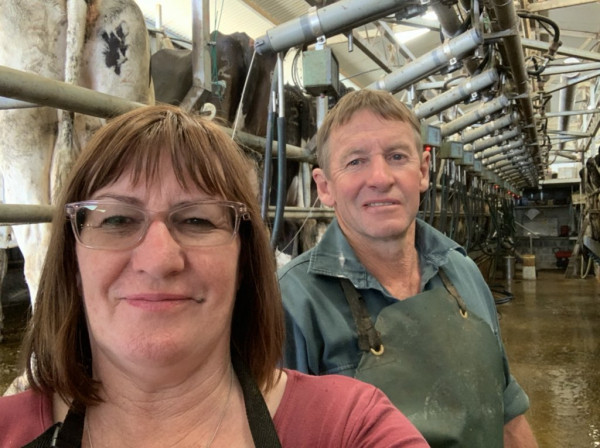
Mead dairy farmer Di Bowles said it was the best season, with similar results last year as well.
“(The) positives are low water price, high cull cow price and high milk price,” she said.
However, she said getting access to some chemicals became harder.
“The fertiliser price is through the roof and (it’s) getting hard to get as are many chemicals that we use,” Ms Bowles said.
Surging energy costs and export restrictions from usual overseas suppliers are leading to record high fertiliser prices in Australia, with analysts predicting farmers could be forced to ration its use, potentially disrupting global food supply.
The price of fertiliser in Australia is at a record $1320 per tonne for purchase, freight and discharge.
Global dairy markets were contributing to this promising dairy outlook, as commodity prices continued to rise.
Global demand for dairy had improved as more countries re-emerged from lockdowns, at a time when supply was tight.
Milk production had slowed in the main exporting regions this spring which had seen dairy commodity prices trend increase.
Ms Omstedt said freight remained a challenge, and some importers had purchased more products to ensure supply, which had further supported commodity values.
Meanwhile, as most Australian COVID-19 restrictions eased ahead of summer, consumers were taking advantage of newfound freedoms, further buoying the domestic market.
“Retail sales of yellow spreads and milk have stabilised from the panic-buying highs of 2020 but remain above 2019 levels and shoppers are also spending more money through foodservice venues,” Ms Omstedt said.
“In Australia above average rain, storms and cold fronts have weighed on per-cow yields, caused flooding in some regions and disrupted harvest proceedings.
“Silage making efforts have been delayed in some regions and less hay is expected to be made this year.
“Nevertheless, with a significant amount of fodder left in store and plentiful pasture growth, demand remains subdued.
“Wet weather has also helped to replenish water storage sites and the cost of temporary irrigation water has continued to fall.”
While conditions remained supportive for ongoing farm profitability this season, Australia’s milk pool was unlikely to grow.
According to the quarterly report, in addition to weather disruptions, labour shortages presented ongoing challenges.
“As such, strong competition for milk is also expected to remain a feature of the processing landscape going forward,” Ms Omstedt said.
Dairy Australia’s quarterly Situation and Outlook reports summarise national milk production, key dairy consumption data and international market impacts on pricing.