WINE-grape growers will soon have online access to market intelligence, with the sector securing a $989,000 government grant to build an online wine-grape price indicator platform to improve market transparency.
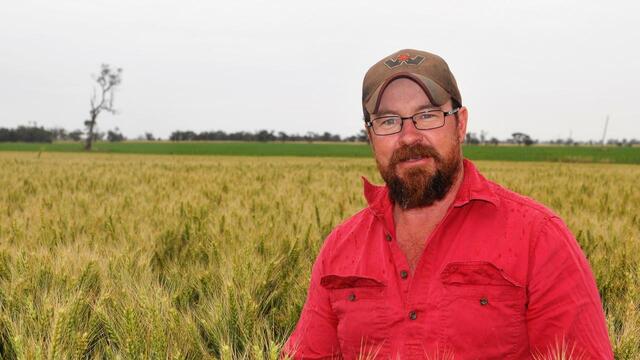
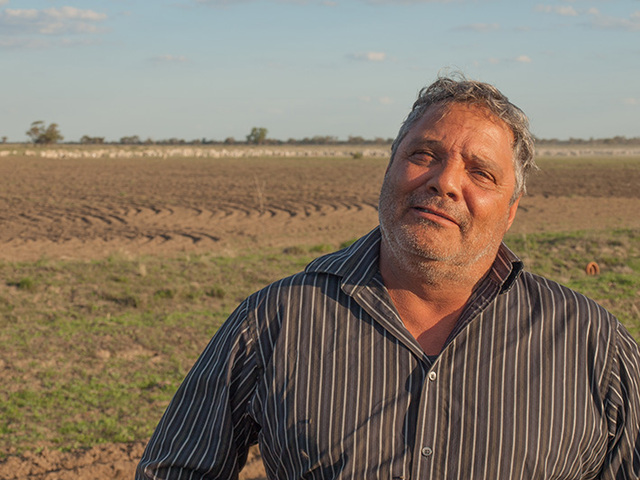
Grower and chairman of Murray Valley Winegrowers Chris Dent believes this is a step in the right direction for the grape and wine industry.
“Knowledge is power, and the more knowledge we’ve got, the more we can do with it,” he told The Guardian.
Once developed, the platform will give growers access to timely and accurate pricing information to help them better understand the market.
“In terms of market intelligence and understanding where our wine is being sold, we’re very clear and we know exactly where our wine is going on the export markets, but in the domestic market there seems to be a bit of a void in the information,” Mr Dent said.
“I understand that this grant and this project is going to help shine a bit more light on the domestic market, which is about 40 per cent of what we grow and what we make.”
Grape prices are released by individual wineries around December, based on how sales are going and the general demand for grapes and wine.
“By December we’ve spent a good 80 per cent of our costs as a grape grower, so we spend all our money not knowing exactly what we are going to get back,” Mr Dent said.
“If we can gain some more information, then bodies like Murray Valley Winegrowers will gain the information that they need to understand the markets and gives some indicators.”
A consortium comprising Australian Grape and Wine, the Inland Wine Regions Alliance and Wine Australia will jointly oversee the project, with Wine Australia as the lead agency. The group secured the funding through the government’s Improving Market Transparency in Perishable Agricultural Good Industries initiative.
Wine Australia chief executive Dr Martin Cole said the grant was a huge win for the industry.
“The sector is going through an incredibly challenging period, hit hard by COVID-19, labour shortages, China tariffs, global shipping issues and the annual challenges with a changing climate,” Dr Cole said.
“The three organisations all have the same goal of improving efficiency, sustainability and profitability for the sector, and we’ve worked together to develop the project concept and ensure it meets the needs of our various stakeholders.”
As well as the price indicator platform, the project will establish a data set of domestic wholesale sales figures based on collecting transactional data from wineries. This will align with the export dataset maintained by Wine Australia and allow a comprehensive overview to be provided of total Australian wine sales.
A third component of the project will be to facilitate the use of the price indicator data by the Australian Bureau of Agricultural and Resource Economics and Sciences (ABARES) to be able to publish independent winegrape price forecasts for commercial grapes.
“A significant value-add for the project will be the ongoing preparation of commercial winegrape price forecasts by ABARES as part of their normal activities,” Dr Cole said.
While the project won’t be able to fix all the problems within the industry at the moment, Mr Dent believes it will be beneficial overall.
“The industry has got a few issues that we are dealing with at the moment, it’s not going to be a silver bullet or a quick fix to any of that, but it certainly goes some way to helping us,” he said.
The project is expected to start in July and will be completed within three years.