AN $18 million compensation package has been developed for registered beekeepers affected by the varroa mite outbreak, under an agreement reached by governments and industry.
It is estimated that varroa mite could result in losses of $70 million a year should it become established in Australia, while Sunraysia almond growers face losses of up to $500 million to the local economy should there be delays to the pollination season.
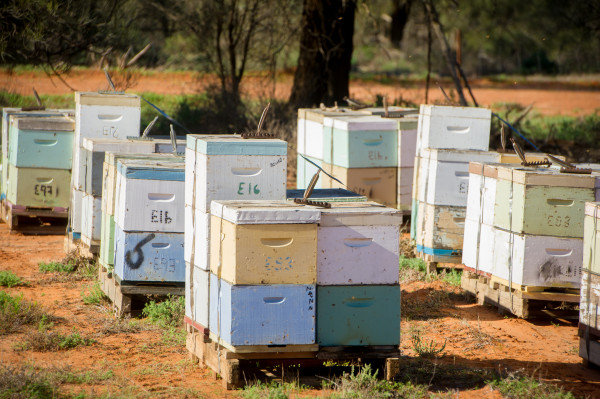
Sunraysia growers need about 150,000 bees to arrive by the start of August and while beekeepers can apply for permit to move hives and used beekeeping equipment from NSW to Victoria, applications will not be assessed until a standstill order in NSW is lifted.
Left untreated varroa mite will kill any bee hive it infects and all feral and untreated bee colonies will eventually die.
Sunraysia produces the largest volume of almonds in Australia with 28,326 hectares in plantings, which is just under half the national total of 58,523 hectares.
The National Management Group for Emergency Plant Pests has endorsed a National Response Plan to eradicate varroa mite from NSW.
The agreement will see registered commercial beekeepers reimbursed for all equipment, hives and bees that are destroyed in the eradication process, as well as the costs of honey.
That will leave available hives in high demand throughout Sunraysia as the almond season closes in.
However, Danny Le Feuvre, from the Australian Honey Bee Industry Council, said it was great to see the recognition from all governments and industries of the importance of the bee industry.
“Industry fully supports the eradication efforts and appreciates the professionalism and commitment of DPI’s incident management team,” Mr Le Feuvre said.
“Agreement to provide reimbursement costs to our members will ensure the success of the eradication program.
“The approval of the plan and funding demonstrates the importance of the partnership between pollination dependent industries, the honey bee industry and the government.”
The NSW Government said it was putting on an additional 26 compliance and surveillance officers to manage risk to facilitate key pollination events and ensure business continuity.
NSW Agriculture Minister Dugald Saunders said eradication is the primary goal, and the NSW Department of Primary Industries’ strong initial response measures and contact tracing work have made this possible.
“We still have an unbroken chain of infected premises and have extensive surveillance operations in place to find and destroy any further cases,” Mr Saunders said.
“I want to thank the entire beekeeping community for their commitment and vigilance during this time.”