ANDREW Peace Wines is facing a wine hangover following the recent drop of exports into China.
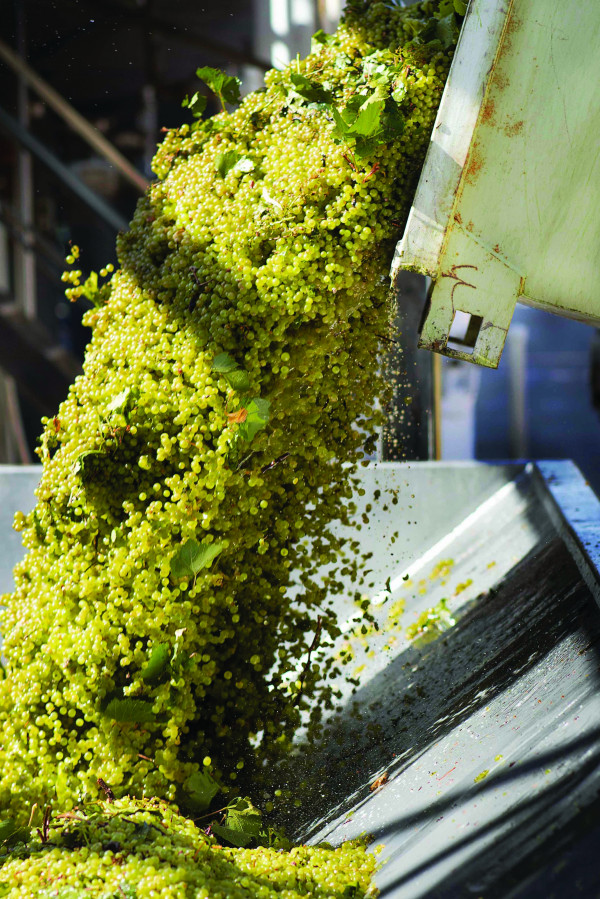
The Piangil-based winery crushed just over 44,000 tonnes of grapes in its 2022 vintage, with the harvest and crushing process finishing in late April-early May.
The largest weekly crush was 5339 tonnes.
“It went a bit longer than normal because of the rain, so that slowed us down,” sales manager George Dajczer said.
“The main issue was a lack of space to hold things, so we had to wait for that to reduce to move onto the next stage.
“Every vintage is different to the last, this one was just an annoying one.
“The process is still the same year-after-year, but you get other issues … the grapes get done better, or there is less quality, so it’s make or break for the following 12 months.
“Overall, it’s usual run of the mill.”
Mr Dajczer said the grape quality was good, with periods of “exceptional” one week and “good” the next.
“Some of the whites were outstanding – Sauvignon Blanc and Pinot Grigio – and out of the reds the Shiraz was pleasing,” he said.
“It’s all gone now but the 2022 Malbec that we harvested came out trumps.
“With some vintages, you get variety and something stands out and everyone wants it, then you wish you had another 10-fold, but it never happens.”
The 2022 Australian wine grape crush is estimated to be 1.73 million tonnes, 2 per cent below the 10-year average and 13.5 per cent below the 2021 record crush of 2.01 million tonnes, according to the National Vintage Report 2022 released by Wine Australia last week.
The total estimated value of the 2022 crush at the weighbridge was $1.21 billion. The estimated value was a decrease of $335 million (22 per cent) compared with the record 2021 value, but $60 million more than in 2020 and $8 million higher than in 2018, a year when the crush was 2 per cent larger. The value reduction compared with 2021 was a result of the reduced crush, combined with a reduction in the overall average value.
The reduction in crush compared with 2021 is the equivalent of approximately 190 million litres of wine – more than the most Australia ever exported to mainland China in a 12-month period.
Wine Australia manager of market insights Peter Bailey said the reduction in volume was likely to be the result of a combination of seasonal influences and adjustments made by winemakers to market conditions and winery production capacity limitations.
“After a record high vintage in 2021, a lower yield in general was expected due to reduced cropping potential. This natural variation was compounded by a number of significant seasonal effects – in particular heavy widespread spring and summer rainfall across much of the eastern half of Australia and a number of significant hailstorms,” Mr Bailey said.
“Apart from seasonal effects, the 2021-22 season was challenging as a result of winery production capacity limitations going into vintage following the record harvest in 2021, compounded by reduced exports to mainland China and severe shipping disruptions that caused delays and escalated costs.”
Mr Dajczer said international sales were “simmering away”.
“It has made it a lot harder with the shortage of containers and ships and not really going into China now (due to Chinese government-imposed tariffs),” he said.
“In the first quarter of the year, there was $130 million worth of export sales to China, of which $90 million to Hong Kong, in that period of three to four months. But prior to that, it was $1.2 billion, so it’s a massive dent into the wine industry in Australia.
“China represented about 4 per cent of sales for us, which wasn’t ginormous, but again it was sales that helped us look for opportunities to market and sell the wine.
“There is still a few million litres going to China. Penfolds package some of their wines and ship them over there.”
Andrew Peace Wines is currently exporting to Japan, Korea and into Belgium.
“We have small pockets but the frustration is how long it takes the wine to get from Australia to their destination,” Mr Dajczer said.
The winery has also introduced a new Prosecco wine, titled Cora Prosecco.
“It’s never been my go-to drink, but it’s a nice quality which is what we want … just waiting for summer to pop it open,” Mr Dajczer said.
“We branched out to produce the sweeter drops because of consumer demand and requests.”
He said two pallets of wine were being sent to meat pies manufacturing company Patties Foods to infuse into their selection of gourmet pies.
“Not going as much white, which they infuse into their chicken pie, but the majority is merlot and shiraz,” he said.
He said domestic sales had seen the biggest percentage increase because of COVID-19 lockdowns, while there was no shortage of vineyard workers.
“About half come because they had mates who work here, so it’s just that referral,” Mr Dajczer said.
The process during winter is barrel pruning before the team await spring and the buds to burst.