A DAIRY industry facing soaring electricity and fuel costs needs new-season milk prices to offset production costs.
The Australian Energy Regulator has revealed draft electricity price increases of between 20 and 22 per cent over the coming financial year.
Except in Victoria, where the price surge is more likely to be 30 per cent.
In other states, small-business customers are expecting price rises between 14.7 and 25.4 per cent, depending on their region.
But Victoria’s Essential Services Commission has released its default offer, with an even larger 30 per cent increase in household electricity prices and 31 per cent for small businesses.
That will turn a typical household bill from $1403 into $1829 a year, while small businesses will be harder hit – an increase from $5620 to about $7358.
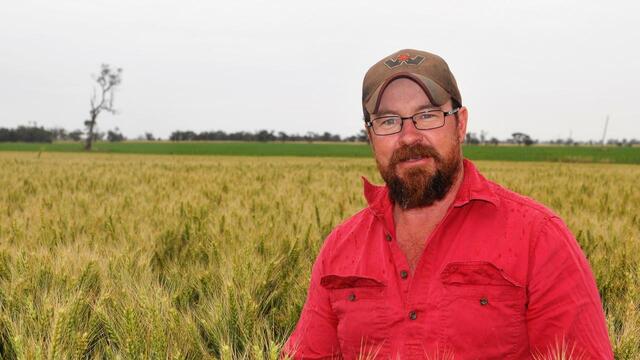
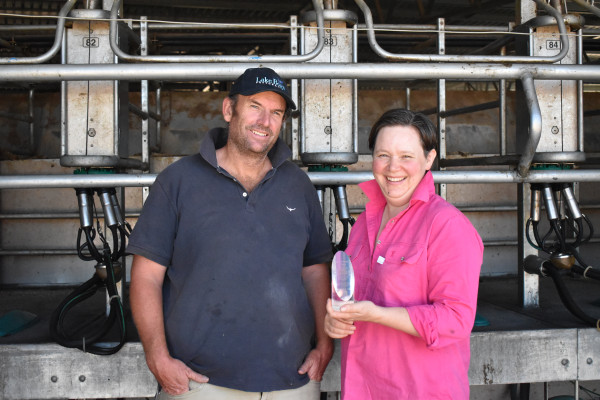
Lake Boga dairy farmer Paul Bethune has a 100kw solar panel system but says the price hikes will still have a significant impact across his property with pumps and other equipment.
Mr Bethune said he started planning to better control his power costs when charges for his dairy topped $4000 a month.
“And that was just for the dairy, not all the other power we use,” he said.
“While the solar has helped the best thing I think we have done is a deal with an industrial energy supplier, which has made a big difference.
“It’s not for everyone, you have to be using a fair bit of power before they will talk to you, but it has been good for our business.”
Like all dairy farmers, Mr Bethune will keenly watch the upcoming milk prices, with United Dairyfarmers of Victoria president Mark Billings warning processors “about $9.50-$10 per kilogram of milk solids is where the opening price needs to be (in June) to ensure farms remain viable”.
Mr Billings said while the high price of fertilisers had started to come down, electricity was going to be a major challenge.
He said to preserve industry confidence the opening price had to be above $9.
Dairy Australia says milk production in northern Victoria dropped 10.2 per cent in January and nationally fell 3.6 per cent.
Gas is used in pasteurisation and for heating driers used in milk powder.
Member for Murray Plains Peter Walsh said the community was facing some of the steepest hikes in history and that “hurts even more because in our state the typical home is far more reliant on gas appliances”.
He says about 72 per cent of Victorian households use gas; the state using more than double the amount of the second-biggest consumer, NSW.
“Even worse, these huge power bills don’t just impact homes, small, medium and big business – significant users of both forms of energy – will also be smashed, putting their running costs through the roof.
“And we know where a good part of that is going – down the food chain with price rises for consumers.
“While the impact on bottom lines across regional tourist towns, for the accommodation industry, for hospitality, for small business, will be catastrophic.
“Is renewable energy the right goal?
“Almost certainly.
“Is it attainable today, tomorrow, next year?
“Absolutely not.
“So we must stop this ridiculous rush to shut down everything else until we have solutions, not more problems.”