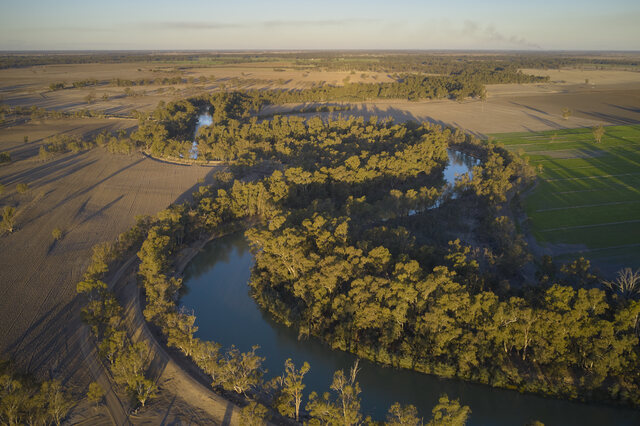
The state’s south-west saw above-average rainfall in autumn and three consecutive La Nina years has resulted in wetter soils across the state, according to the Australian Seasonal Bushfire Outlook for winter.
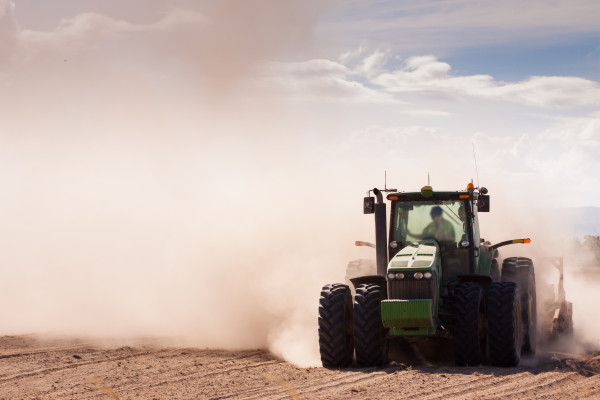
However, reduced rainfall and above-average temperatures over the next three months could result in drier-than-average soil by late winter.
The Bureau of Meteorology this week moved from El Nino watch to El Nino alert, meaning there was about a 70 per cent chance of an El Nino developing this year.
Senior climatologist Catherine Ganter said climate models and indicators now met the Bureau’s El Nino alert criteria.
“While the models show it’s very likely the tropical Pacific Ocean temperatures will reach El Nino levels during winter, we have seen some movement in the atmosphere towards El Nino conditions,” Ms Ganter said.
During El Nino, there is a higher chance of drier weather in eastern Australia and it’s more likely to be warmer than usual for the southern two-thirds of Australia.
It was a wetter autumn this year than the long-term average but still well down on autumn 2022.
Across March, April and May, 71mm fell in the Swan Hill region. The same time last year, 145.2mm was recorded thanks to the 87mm dumped in April.
The long-term average for autumn was 66.2mm.
Meanwhile, it’s been an unseasonably warm start to winter, with daytime temperatures (18.4 degrees) three degrees above average and overnight lows (9.3 degrees) five degrees above average.
The warmest daytime temperature was 21.1 degrees on Sunday. Overnight minimums were yet to drop below 5 degrees.
CFA acting chief officer Garry Cook said despite years of wetter than average weather, Victoria was still one of the most bushfire-prone areas in the world and CFA continued to work with partner agencies throughout the cooler months.
“Our crews are working hard to identify areas with high levels of vegetation and fire risk to deliver targeted fuel reduction activities in partnership with land managers,” Mr Cook said.
“Fire safety is a shared responsibility, and our people are continuing to engage with communities to help them plan and prepare for hotter summers and more dangerous fire seasons.”