AUSTRALIA’S biosecurity experts have run up the white flag and surrendered all plans of eradicating varroa mite from the national bee population.
The move came after 30,000 hives were compulsorily destroyed in 15 months as part of the nation’s largest biosecurity outbreak.
The decision was announced by the national management group on Tuesday after reports of non-compliance on hive movement and testing, and a spike in new detections across large areas of NSW.
Agriculture Victoria biosecurity officers have been on the ground in Sunraysia undertaking extensive surveillance during almond pollination.
Australian Honey Bee Industry Council chief executive Danny Le Feuvre said the group of affected industry and government parties unanimously agreed it was no longer practically feasible to achieve eradication.
He agreed the response should transition to a management phase, something he said AHBIC had been seeking for weeks.
It was also agreed to implement interim arrangements while the transition-to-management plan is negotiated by the Consultative Committee on Emergency Plant Pests, to allow clarity for beekeepers.
Victoria and NSW also enacted new emergency orders to start an interim management strategy, for a short period of time until a formal transition document is confirmed.
As part of the new strategy no further mandatory euthanasia will occur and fipronil baiting will cease.
In Victoria a temporary pause is in place on processing permits for hive and bee movements from NSW, while the risks with recent detections in the general emergency zone (GEZ) are assessed.
Permits from Agriculture Victoria will allow beekeepers in Victoria and within the varroa Surveillance Emergency Zones (SEZ) to move their hives and equipment.
Varroa mite has still not been found in Victoria.
The new permits require beekeepers to inform where their hives are in the zone and where they will be moved to, through an online application form.
Beekeepers must continue to report their movements as stated within the permit conditions.
They must also complete alcohol wash testing on their hives at permitted rates within seven days of moving the hives and those results must also be reported.
Once the permit is issued or a permit variation issued, hives from within the SEZ can be moved anywhere in Victoria (except the eradication emergency zone), or interstate (subject to the receiving state allowing it).
The permit system also allows the entry of bees, hives and apiary movements into Victoria to enable essential horticultural activities such as the pollination season to continue.
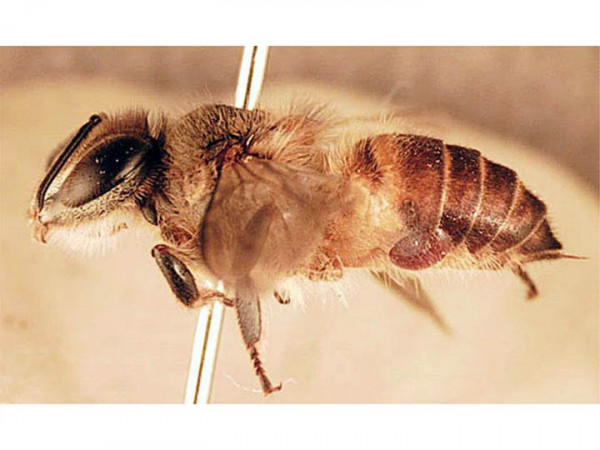
Varroa destructor is a small mite that attaches to bees and eats their “fat body”, the insect equivalent of a liver.
It then weakens the bees, reducing their lifespan and increasing the spread of other deadly viruses.
NSW Department of Primary Industries deputy director general of biosecurity and food safety, John Tracey, says the department will make miticide strips available to beekeepers in management zones.
The strips kill the varroa mite without impacting bees.