Home » Farming and Environment » Importers, not farmers, must pay for risks

Importers, not farmers, must pay for risks

MORE needs to be done to protect Australia’s biosecurity but taking more money from Australian farmers is not the answer.

This is the position of representative body NSW Farmers, which says the federal government needs to force importers to pay for the biosecurity threats they create.

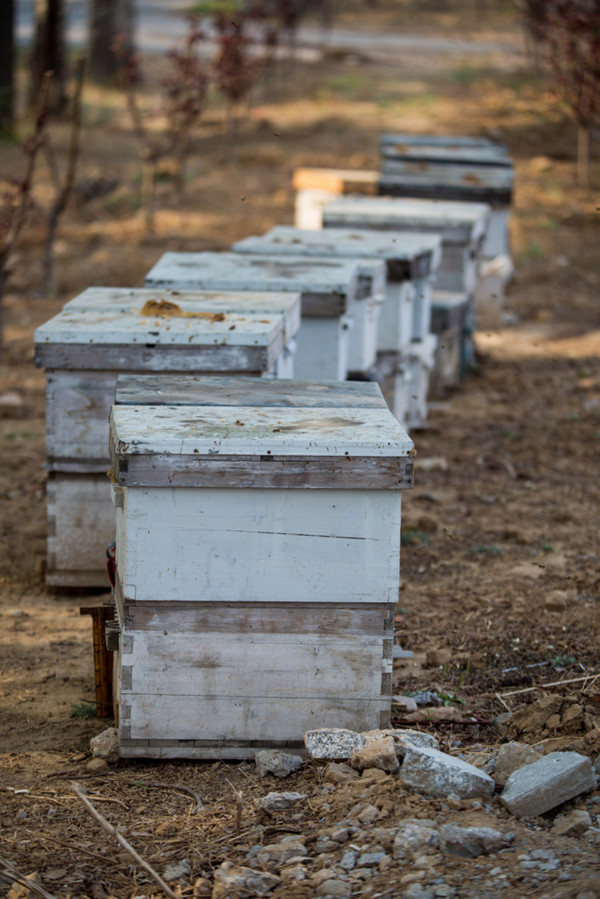
In the wake of the deadly varroa mite spreading across bee colonies in NSW, including being detected recently in hives at Balranald and Euston, eradication of the pest has been declared no longer possible.

NSW Farmers biosecurity committee chair Ian McColl said the outbreak was demonstrative of just how much of a risk exotic animal and plant pests and diseases was.

“We have had a practical demonstration of how difficult biosecurity control efforts can be with varroa mite – despite our best efforts, Australia now has to live with another costly biosecurity failure,” Mr McColl said.

“This underscores how critical detection and prevention is.

“We need all governments appropriately resourcing biosecurity efforts to maintain strong protections at the border.”

But to help create extra funding for these biosecurity measures, the government is currently consulting on a new biosecurity protection levy which will apply to primary producers from July 1 2024.

The levy will be charged to agricultural, fisheries and forestry producers and is intended to collect around $50 million per year, which will be allocated to maintain the Commonwealth biosecurity policy, operational and technical functions.

Mr McColl said the levy should be imposed on importers, rather than farmers themselves who have to bear the brunt of biosecurity breaches.

“Our members have been quite clear that increased biosecurity funding is essential but it should take into account who creates the risk and who already pays,” he said.

“Taxing farmers who are at ultimate risk of biosecurity breaches is not the way to move to improved biosecurity outcomes, especially when that tax might simply fund administrative functions of the federal department and not increase biosecurity prevention, preparedness or response capabilities.”

Independent Member for Murray Helen Dalton has expressed her support for the representative body, opposing the biosecurity protection levy in its current form.

“Clearly, it is importers who should be paying the costs for our biosecurity,” Mrs Dalton said.

“Asking farmers to pay for it is just not on.

“It’s not farmers who are making big dollars from importing this food.

“It’s not farmers who are importing biosecurity risks such as varroa mite.”

Mrs Dalton was also sceptical that any levy that farmers paid would actually go towards improving biosecurity outcomes.

“It may end up paying for more bureaucrats and more paper shuffling,” she said.

“Farmers should not be paying for improved biosecurity, when they are already paying for the serious failures in biosecurity that we have seen recently.”
Digital Editions


  • SHDCA Round 13 Cricket Preview

    SHDCA Round 13 Cricket Preview

    St Mary’s-Tyntynder v Wandella St Mary’s-Tyntynder will be hoping to draw inspiration from their club legends of yesteryear when they host Wandella in a must-win…

More News

  • Bail refused

    Bail refused

    A PIANGIL man accused of deliberately running down another man with a 4WD before stabbing a woman on Monday night has been refused bail. The Mildura Magistrates’ Court heard the…

  • Regions benefit from appeal

    Regions benefit from appeal

    SWAN Hill District Health will share in $3 million as part of the regional health distribution from funds raised at this year’s Royal Children’s Hospital Good Friday Appeal. SHDH will…

  • Gray chases national glory

    Gray chases national glory

    MOULAMEIN local Indiana Gray is preparing to travel to Darwin in June to contest the Australian Polocrosse National Championships, after earning selection in the NSW state team. The event will…

  • Calls backed for water royal commission

    Calls backed for water royal commission

    THE New South Wales Parliament has backed a call for a federal royal commission into water management, a move supporters say marks a turning point in long-running concerns over the…

  • Groups line up for input on plan

    Groups line up for input on plan

    SPECIAL interest, stakeholder, and lobby groups are lining up to have their say on the Murray-Darling Basin Authority’s review of it’s Basin Plan. Here’s what some of them said. Murray…

  • Debate surrounds River Road development

    Debate surrounds River Road development

    SWAN Hill Rural City councillors have voted to support ending a legal agreement restricting development at a farming-zoned River Road property, despite officers warning nothing has changed since the restriction…

  • Massive Mallee drug bust

    Massive Mallee drug bust

    MILLIONS of dollars worth of cannabis plants have been seized by police just south of Kerang in what is one of the largest drug busts in the region’s history. Four…

  • Diving into healthy lunchboxes

    Diving into healthy lunchboxes

    SWAN Hill District Health is proud to support National Lunch Box Week and help promote enjoyable and nourishing lunchboxes for all. Each lunchbox is as unique as the person it…

  • Demons stun ladder leaders

    Demons stun ladder leaders

    A 74-RUN partnership between Ben Rogers and Tom Bell has helped Nyah District record one of the upsets of the season, with the Demons defeating ladder leaders RSL by five…

  • Gas documents to be revealed

    Gas documents to be revealed

    THE Victorian Opposition has forced the government to “cough up” documents on what it described as a “nasty gas closure” for 10 regional towns, including Kerang, Robinvale and Swan Hill.…