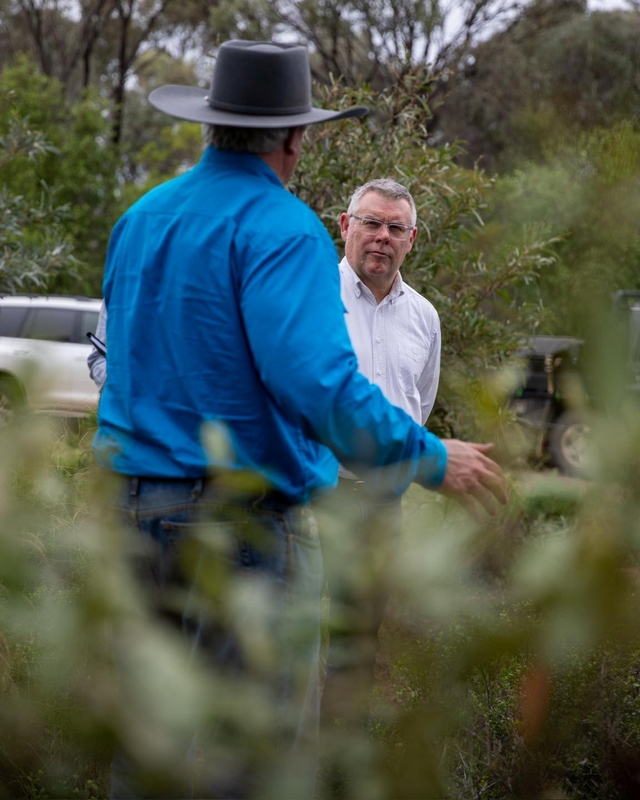
BIOSECURITY at our borders is the big news, but one leading researcher says there are problems just as big at the next property – or in the next truck passing through.
Entomologist Michael Nash said slugs and snails were problems on the rise and on the march.
Dr Nash said the changing face of farm management was creating issues with the ongoing control of existing slug and snail populations – and creating a new biosecurity threat.
“Slugs and snails need moisture and if you’re retaining more moisture in your farming system, which leads to increased yields, then you will get more slugs and snails,” he said.
“They also need transport. Traditionally it was along railways and the irrigation channels and of course now you’ve taken all the irrigation channels out, they are now moving around on trucks and produce.
“Which is what makes slugs and snails a real biosecurity problem, and now with more exotic snails on the biosecurity list, the issue is rapidly growing.”
Dr Nash said understanding the ecology of these pests was paramount in their management as they behave very differently to insects.
“Grower understanding of the ecology of slugs and snails needs to then underpin how you might manage that threat,” he said.
For example, slugs and snails don’t have set life cycles.
“Snails and slugs breed in response to environmental conditions,” Dr Nash said.
“You can’t calculate a degree-day model of when the eggs are going to hatch and when to spray, such as you would do for, say, native budworm in faba beans.
“Another key difference is slugs and snails hibernate (aestivation), so it is necessary to fully understand activity, so you can confidently implement an effective and economical management plan.”
Dr Nash will explain his approach to monitoring and why dedicating ample time to manage slugs and snails is a good economical decision at BCG’s Trials Review Day on February 23.