FARMERS feel they are still in the dark just a few months away from the launch of the Federal Government’s proposed Biosecurity Protection Levy.
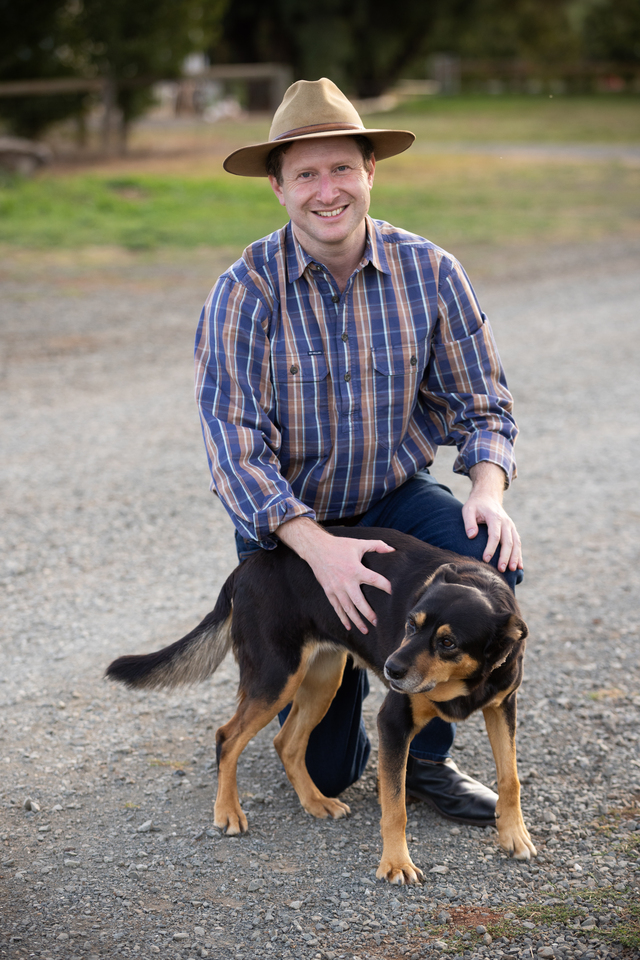
VFF Horticulture director Nathan Free said the details of the BPL, which is set to begin on July 1, are still unclear.
“There is no transparency about what they are going to be doing with those funds, ” Mr Free told The Guardian.
The Government’s new model to fund biosecurity in Australia aims to place shared responsibility on taxpayers, importers, international travellers producers growing for the domestic market as well as those exporting produce overseas.
Producers will only be expected to contribute to 6 per cent of the funding to Australia’s biosecurity system, equivalent to around $50 million per year.
But Mr Free and VFF remains sceptical about how the new measures will benefit the nation’s biosecurity.
“Per farm, it doesn’t add up to a lot,” Mr Free said. “But we do need to be cognisant. All the costs in agriculture are sky rocketing. Farmers are finding it hard to pay bills and get things going, but the products that we’re selling hasn’t gone up in price.
“It’s just another regulatory fee put on the farmer’s bottom line. We don’t know how the money will be spent especially when there isn’t a fair contribution from the other risk factors.
“Especially when other container handlers throughout the country are bringing in overseas goods that pose a greater risk.”
Mr Free believes the scheme puts more pressure on agriculture compared to importers.
“Why is there no levy for them to the same degree as what’s going to be placed on agriculture?” he asked.
“It really shouldn’t be agriculture’s problem. Responsibility should be put on the huge companies which are managing the importation of goods here to make sure our country can be safe from potential diseases, pest and plant issues.
“The government should stop stinging agricultural businesses every time they want to try to solve a problem. They need to go back to the drawing board and try and deliver a better program that can address all factors of biosecurity from importation to exportation.”
Member for Mallee Dr Webster spoke out against the controversial measures, saying the Biosecurity Protection Levy will force farmers to pay for the biosecurity risks of international importers.
“Farmers will be forced to pass on costs, resulting in families feeling more pain at the grocery checkout,” Dr Webster said. “In what parallel universe would a government charge its own farmers to pay for the risks their competitors are creating?”
While the bill has not yet passed the Senate, Dr Webster said grain growers will be the most effected by the proposed levy, according to figures released by Department of Agriculture, Fisheries and Forestry
“The estimated 22,300 grain, legume and oilseed growers alone will pay about $500 a farm, and together almost a quarter of the total $51.8 million to be collected from Australian agricultural producers each year under this system,” Dr Webster said.
“Labor is shifting money from grower incomes into consolidated government revenue with zero transparency, all to pay for the risks foreign competitors bring into the country. The better approach, as we the Nationals have advocated, is to charge the biosecurity costs on container imports. However – and yet again – Mallee farmers are being railroaded through Labor’s heavy-handed policies that treat farmers like the proverbial piggy bank to buy votes in the city.”