MURRAY region stakeholders have said they feel like concerns had been listened to by Murray-Darling Basin Plan decision makers at a recent workshop.
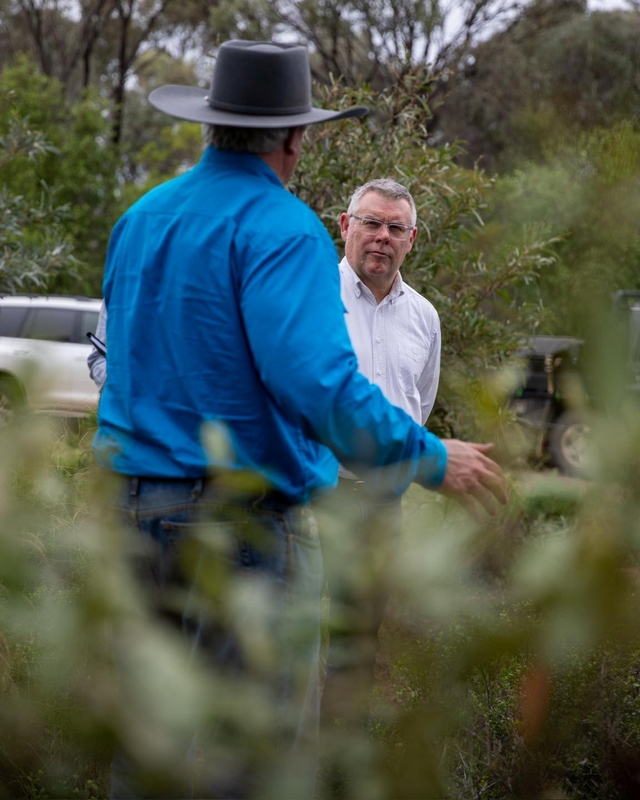
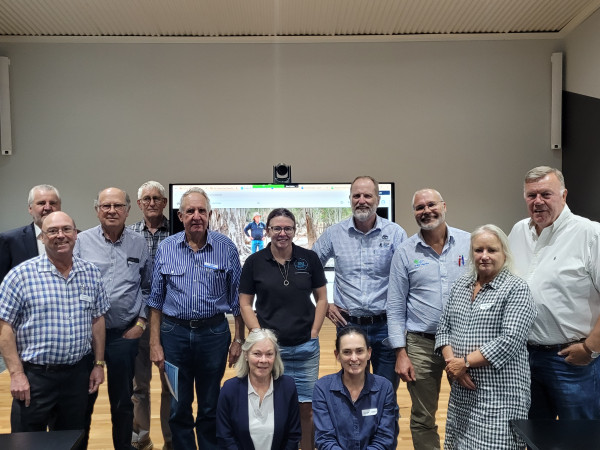
The Murray Regional Strategy Group (MRSG) hosted senior representatives from the NSW Department of Climate Change, Energy, the Environment and Water (DCCEEW) and the Murray-Darling Basin Authority (MDBA) in Deniliquin for a session aimed at having open discussions about the plan.
MRSG executive officer Shelley Scoullar said she felt the workshop was one of the most positive engagements MRSG has had with both organisations, with all parties putting more effort into understanding each other’s positions.
“Our hope is that we have an ongoing collaboration and working relationship with the MDBA and NSW DCCEEW, because when it boils down to it, relationships are the key,” she said.
“We need to have ongoing dialogue so that our ongoing concerns and potential solutions can be discussed and robustly debated.
“We wanted to have the workshop to increase that collaborative approach and build on our relationships with these organisations.
“We know that if you want good environmental outcomes, you need collaboration, and the local knowledge and experience that the MRSG has within our footprint is exceptional.
“We’ve got a really unique and complex part of the system, and that local knowledge and experience is key to driving best environmental outcomes.”
MRSG presented MDBA and NSW DCCEEW with a proposal titled the Menindee Solution and the NSW Murray Valley Adaptive Roadmap as possible options to alleviate some of the challenges presented to the region by the MDBP.
The Menindee Solution aims to reduce the need for buybacks and allow more water to remain available for primary production, while improving outcomes for First Nations peoples, providing job opportunities, stimulating regional economies, and reducing the risk of water running out in river towns and communities.
“MRSG have worked really hard on the adaptive roadmap for the last four years, which demonstrates how to utilise private and public waterways to help deliver water, in a safe way with controlled different environmental flow rates to deliver outcomes without putting our famers at risk from elevated floods,” Mrs Scoullar said.
“We also requested that food security to be included in the 2026 MDBP review, as that’s a missing link that we really feel needs to be addressed.
“It’s not high on the nation’s priority at the moment but with increased population growth, it’s something we need to consider and be included in the review.
“We’ve all got to work together, because we’re really at breaking point and there’s no more to give.
“The MDBP has been monumentally changed and it’s not the plan we signed up to.”
Murray-Darling Basin Authority chief executive Andrew McConville said he attended the workshop with the same goal of collaboration for the best outcomes.
“Our visit to Deniliquin was about listening, and we heard directly from the people who live and work in the Basin, which is crucial in helping us shape effective water management strategies,” he said.
“The depth of insight and the challenges they face are invaluable as we move forward.
“Our people are part of and in Basin communities, so by showing up in person and engaging in these open discussions, the MDBA hopes to better understand the complexities of the basin.
“This ongoing dialogue is essential in developing strategies that consider our rivers and the people who rely on it for their livelihoods.
“The MDBA leadership will continue to engage with basin communities, ensuring that the voices of local stakeholders are heard and considered in future decisions and plans.”