DESPITE widespread – and in some cases soaking – rain last week, the protracted drought is far from over and continues to challenge graingrowers and livestock producers moving forward.
Premier Jacinta Allan’s drought taskforce staged its second meeting on Friday, this time at Shepparton in northern Victoria following its first gathering in the southwest of the state the Friday before.
But while it works its way towards a definitive support package, the Victorian Farmers Federation has reinforced the urgency of its drought response framework.
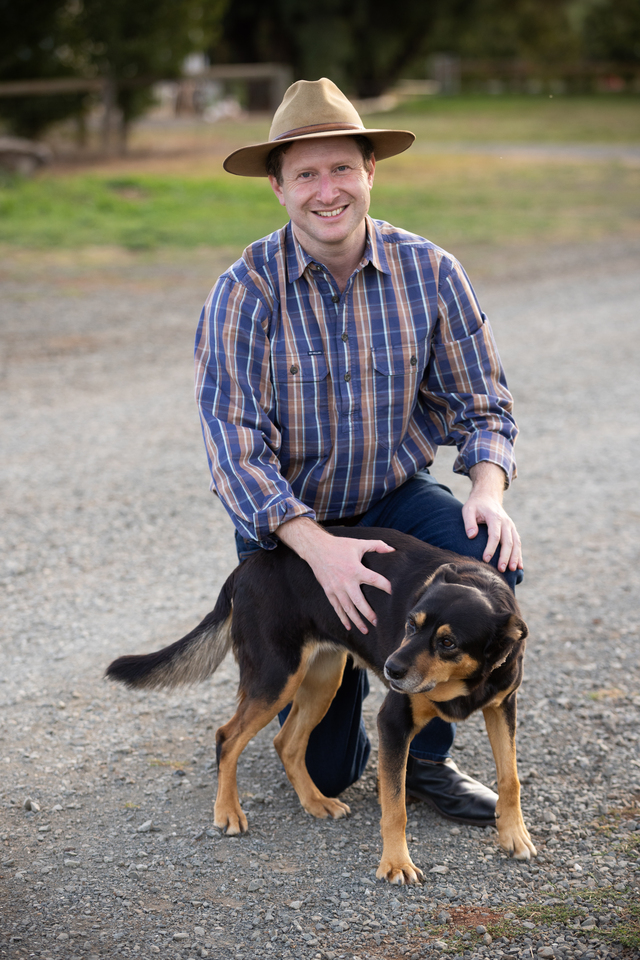
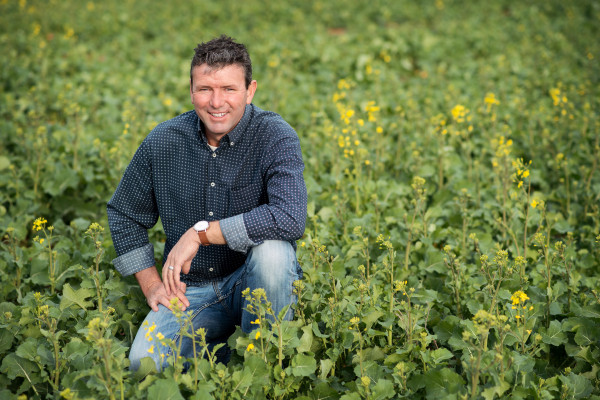
VFF president Brett Hosking, who is also a member of the Premier’s taskforce, said his organisation’s framework is “built on the principles of fairness, evidence-based decision-making, and responsiveness to the unique needs of Victorian farming communities”.
Mr Hosking said the VFF recognises drought does not affect all regions or enterprises equally.
He said its impacts vary significantly across farming systems, from intensive livestock operations and broadacre cropping to mixed enterprises and horticulture.
“Our framework ensures support is scalable, regionally targeted, and sensitive to the differing vulnerabilities of farm households and businesses,” Mr Hosking said.
“I will be using my position with the Premier’s taskforce as a platform to advocate for the support needed as Victoria’s drought continues, recent rain aside.
“Also, our framework is purely directed at a Victorian state level. Further Federal Government support initiatives, including low-interest loans, are being worked on separately as part of broader drought support for farmers.”
Mr Hosking said one of the key features of the VFF proposal is the tiered approach to drought management.
He said the trigger for the first tier of ‘watch and preparedness’ would be rainfall below the 30th percentile for three consecutive months.
Support measures then would be:
* Drought preparedness campaigns and online toolkits.
* Farm planning workshops (financial, agronomic, succession).
* Mental health and financial counselling services.
* Water efficiency grants (up to $5000).
The second tier covers ‘moderate drought stress’ and is triggered by rainfall below the 20th percentile for six months, exhibiting significant soil moisture deficits.
Its support measures include:
* Drought infrastructure support grants:
$20,000 for farm businesses >$500k turnover.
$10,000 for farm businesses <$500k turnover.
Reimbursed upon receipts for infrastructure such as silos, tanks, feed systems.
* Pasture and fodder crop reseeding grants:
Funding based on local agronomist recommendations to support fast pasture recovery.
* Livestock water relief:
Subsidised water carting for remote properties.
Temporary water infrastructure installation.
* Hardship assistance:
$3000 annual payment for FHA recipients.
Full rates waiver for primary producers in affected LGAs.
* Education and participation support:
School excursion/camp travel subsidies for rural families.
Youth sport and community group participation grants (covering fees, gear, gate/canteen costs).
The final tier represents ‘severe drought’ with rainfall below the 10th percentile for nine months or more; causing regional economic and environmental distress.
Proposed support measures are:
* Drought recovery loans:
Up to $250,000 at concessional interest rates for recovery investments.
* Emergency household relief:
$5000 direct support for FHA recipients and low-income households.
*Expanded rates relief:
State Government pays full local government rates for eligible primary producers and agribusinesses in drought-affected LGAs (early payment to also relieve pressure on LGs).
* Community resilience support:
Grants to local governments and NFPs for local drought response initiatives.
* Emergency livestock water security:
Strategic bore drilling, regional carting hubs.
Pipeline access agreements and infrastructure repair support.
* Telehealth and mental health expansion:
Scaled services for remote and regional access.
The framework also covers statewide measures and strategic recommendations dealing with wildlife and pest management, freight and transport costs and co-ordination, fodder supply chain access, strategic water planning, and pipeline investment acceleration.
Mr Hosking said the framework provides a structured and evidence-informed approach to supporting Victorian farmers and communities through the escalating impacts of drought.
He said by tailoring interventions to drought severity, it ensures timely, targeted, and cost-effective support that enhances recovery outcomes and strengthens long-term resilience.
“The inclusion of infrastructure, financial, mental health, and community-based measures recognises the complex and far-reaching effects of drought, including its significant toll on mental wellbeing,” Mr Hosking explained.
“The VFF is committed to proactive and solutions-focused advocacy and looks forward to working closely with the Victorian Government, Agriculture Victoria, and other stakeholders to implement this framework.
“Together, we can build a more resilient agricultural sector and stronger rural communities in the face of ongoing climate variability.”