THE management of Queensland fruit fly in the Murray Valley has been handed to locals.
The Fruit Fly Murray Valley area wide management program will end this month.
Although the formal FFMV program is winding up, support for growers and home gardeners will continue.
From July, key information and resources will be available via local council websites, Agriculture Victoria and peak industry bodies, including the Australian Table Grape Association, Citrus Australia, Dried Fruits Australia, Murray Valley Winegrowers, Summerfruit Australia and Sunraysia Citrus Growers.
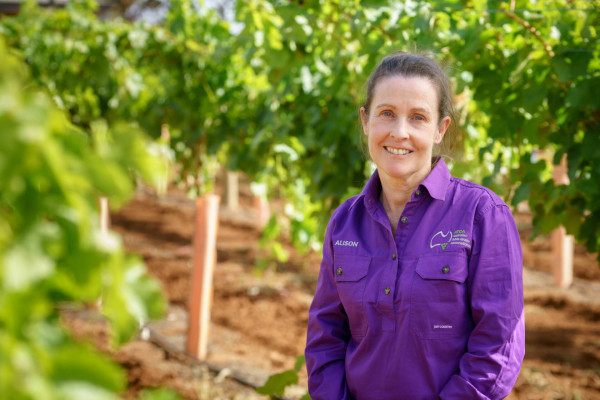
FFMV regional advisory group chair Alison MacGregor said this wasn’t the end of fruit fly management, just a “new chapter”.
QFF attack and damage a wide range of fruit and vegetables, and is recognised as a serious pest. When fruit is attacked it is inedible.
While the fruit fly is native to eastern Queensland and north-eastern New South Wales, the prevalence of hosts in Queensland, Northern Territory, New South Wales and Victoria has expanded the area in which it is found.
Fruit fly activity generally increases in spring as the weather gets warmer, however is not restricted to a particular season.
Ms MacGregor said Fruit Fly Murray Valley have worked closely with councils, growers, retailers and communities to ensure the knowledge, tools and support are now in local hands.
The FFMV program’s closure follows a planned transition, reflecting the now-endemic status of QFF in the Murray Valley.
Over the past few years, the focus has shifted to empowering commercial growers, industry-based organisations and community members to take the lead.
According to an Agriculture Victoria spokesperson, new funding will support the Goulburn Murray Valley, Sunraysia and Yarra Valley governance groups to design and deliver long-term QFF management programs.
“We’ve seen a real step up in leadership from grower groups, agronomists and retailers,” Ms MacGregor said.
“By trap monitoring and baiting, the horticultural industries have become very proactive.
“Meanwhile, the education campaign has had great traction in the urban community.
“There are some great examples of the horticultural industries working together to manage this pest.”
Since its inception, the FFMV program has coordinated large-scale education efforts, removed thousands of unmanaged host trees, deployed extensive trapping networks, and led initiatives like the community Fruit Fly Fighters program.
The transition from the FFMV program comes at a time when fruit fly numbers across the region are low – likely due to a drier summer – providing favourable conditions for the handover of management responsibilities.
“We want to thank every person who has contributed to this program – growers, councils, community members and staff,” Ms MacGregor said.
“The work you have done has made the region more resilient.
“We hopefully have better understanding and tools now to protect our crops into the future.”
In November, Liberal Member for Northern Victoria Wendy Lovell called on Agriculture Minister Ros Spence to renew funding and to establish a working group to develop a new Victorian Fruit Fly Strategy, with the current one about to expire.
“Victoria must start planning now for a new fruit fly strategy to take over from the old one, and the government must commit to funding the coordination and education activities that will be an important part of an effective strategy.”
A spokesperson for Agriculture Victoria said the government had invested $14.28 million to provide community and regional grants under the Victorian Fruit Fly Strategy to empower industry and home gardeners to embed fruit fly management in their communities.