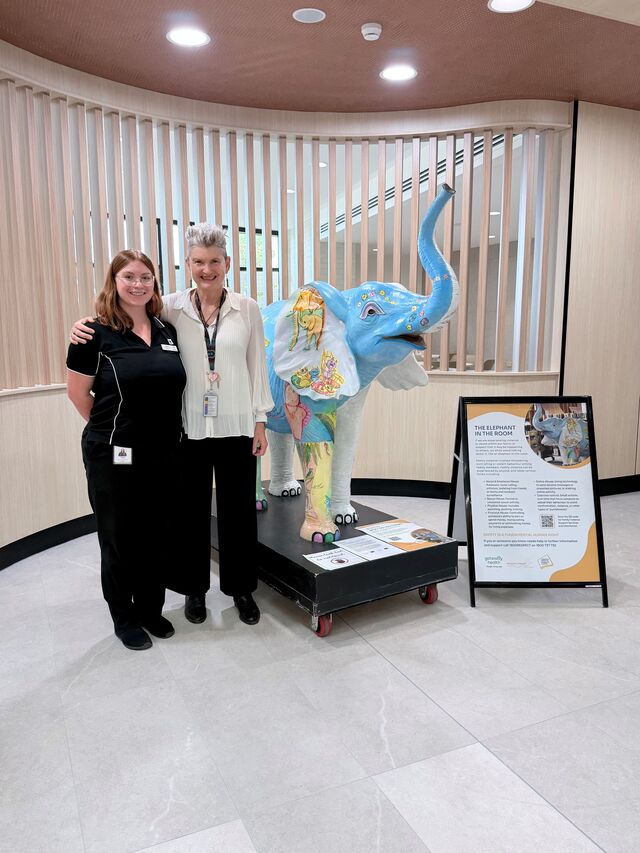
SWAN Hill headspace manager Kirsty Jacobs is urging young people to get creative with connection as private gatherings remained off the table in the region.
Ms Jacobs said it was a challenging time because of the unpredictability and uncertainty of the COVID-19 pandemic.
“There is a lack of routine and there are fewer opportunities around for connection, which is really important for young people.
“There is a lot happening in the media at the moment, but I wonder whether we are focusing on the problem rather than what are our solutions around working with young people.”
Ms Jacobs said a national headspace youth mental health survey found that more than one in two young people felt a sense of loneliness, which was an increase from 2018.
The rise has been put down to the pandemic and lockdowns.
“The proportion of young people feel like they have a lack of companionship and are feeling isolated, so it’s very clear that young people are living through a really challenging time.
“Right now it’s really important for them to connect with peers in terms of identity, figuring out who they are and where they fit in the world.
“There’s barriers to that with lockdowns and snap lockdowns going in and out.”
“When there are feelings of isolation and being left out, we know that there is a vicious cycle that can impact mental health, that leads to further social withdrawal and poorer mental health which means poorer mental health outcomes.”
Ms Jacobs said it was crucial young people knew how the pandemic was affecting them, but also the importance of reaching out to family and friends and other connections.
“But also know this is what everyone is experiencing, they’re not the only one, and though they might be feeling lonely, they are actually really connected in this experience of COVID,” she said.
“Everyone has individual experiences, of course, but it’s important to reach out now more than ever.”
Ms Jacobs said the closure of schools meant children were missing routine, structure and incidental social connection.
“A lot of people have taken for granted those benefits of school, so not having that is really hard and challenging – where do I find those connections when I’m at home or by myself?” she said.
“I’d encourage family and friends of young people to check in with them and notice when they are needing more support, and vice versa, so for young people to tell friends and family when you aren’t doing all right.”
Getting creative with connections, such as walking together when possible, and getting “green time” outside, were also important, Ms Jacobs said.
“It’s not just about sharing company with others, it’s also being understood and supported,” she said.
“This idea of loneliness and feeling connection is deeper than just being around physically, but being understood and supported in those interactions.
“Sometimes it doesn’t take a lot to reach out to someone (and say) ‘That must be really hard for you, that is really challenging, how about we do this together … how about we play a game together or go for a walk’.
“Just spending time together and recognising that things are hard and emotions are probably here, there and everywhere, but if they are heard and understood, that is going to have a positive impact on their mental health and wellbeing.”
Ms Jacobs said people did not need to be skilled practitioners to “go with your gut”.
“If you think something is going on with a young person, you’re probably right. Young people don’t often have the language to explain what’s going on so helping them build their emotional intelligence by describing what you’re noticing can be really helpful.
“This can be achieved by saying, ‘Hey, I noticed … you seem a little … I’m here for you if you want to chat.
“Sometimes there is a tendency to tiptoe around it, but we want to enhance connection and reduce barriers to doing that, rather than finding more ways to make it hard to have conversations.”
Asked if deteriorating youth mental health was becoming a “shadow pandemic”, Ms Jacobs said when physical connections were limited mental health impacts were “inevitable”.
“But I wouldn’t go as far as calling it a pandemic,” she said.
“When young people aren’t able to connect with others, when not able to continue with routine, or seeing the constant news cycle about COVID all the time, or when behind in school work, it’s inevitable that there is going to be mental health impacts.
“Regardless of what comes next, we are aware of the importance of staying connected, so we have a real opportunity to get creative, think outside the box and build each other up and prioritise connection.
“That’s what headspace is all about; early intervention, getting tools in the tool kit really early before things become harder later on.
“The risk with lockdowns and isolation is you can’t pick up those incidental contacts that would normally happen, so less chance for issues to be picked up early, if they are worsening or not going so good.
“Mental health is a state of wellbeing where people can cope with the normal stressors of life, work productively and contribute to their community, so doing meaningful things to create meaning everyday is less likely to create a bigger pandemic.”
Ms Jacobs said there was also a bigger focus and recognition from organisations and schools of the importance of taking time away from screens and focusing on mental health and wellbeing.
Mant businesses and schools have scheduled mental health days for employees and students.
“Even by creating self-care packs, supporting students rather than just sending them home with homework and remote- learning material. While it’s important they are getting their education, it’s also that they are getting tools to support resilience.”
Ms Jacobs said conversations about mental health were being sparked more freely during the pandemic.
“I work within mental health and I think I have more conversations about mental health and its importance outside of work than ever before.
“People are wanting to know how we get around each other because we recognise that if people aren’t functioning well they aren’t going to be able to their job as effectively, or engage learning effectively.”
Anyone needing urgent help should call Lifeline’s 24-hour number, 131 114. For crisis support, call Beyond Blue, 1300 224 636, headspace, 1800 650 890, or Kids Helpline, 1800 551 800.