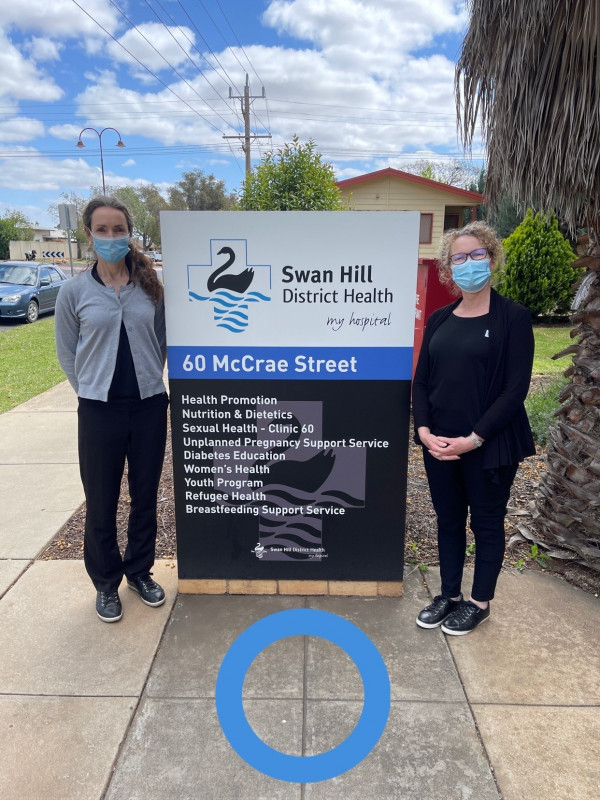
WORLD Diabetes Day is held on November 14 each year and the current theme for the day is access to diabetes care.
There are a range of services available at Swan Hill District Health (SHDH) that can help people living with diabetes, and despite COVID, these services continue to be offered via telehealth or telephone.
People living with diabetes are encouraged to engage with their diabetes health care team regularly as part of their diabetes cycle of care.
This team, along with the clients’ GP, includes their diabetes educator, dietitian, podiatrist, accredited exercise physiologist and counsellor.
A telehealth endocrinology service is also available and can be accessed via the diabetes educators along with a referral from a GP.
The diabetes annual cycle of care is a checklist for reviewing diabetes management and general health, and may include checking pathology results, reviewing medication/insulin and addressing lifestyle factors.
A general practitioner (GP) will do this review to help those with diabetes and their diabetes health care team best manage diabetes, and to reduce risk of diabetes-related complications.
It’s important to do an annual cycle of care to identify any health concerns early and discuss the best treatment or management.
The Hospital Admission Risk Program (HARP) provides free support to clients in the community with chronic diseases and complex health care needs.
This includes heart and lung conditions, and also diabetes.
HARP can help by providing education to people in their own homes to manage diabetes and provide understanding of medications and equipment used.
Further support can be provided by coordinating appointments with diabetes nurses, specialists, GPs and other health professionals.
Linking people in with right support services and community health services helps to ensure the best outcomes for people managing their diabetes and health, and assists in preventing unplanned hospital admissions.
Here’s a quick snapshot of the roles within our diabetes health care team:
& An accredited practising dietitian (APD) can provide personalised nutrition advice and support, and will work with each individual client to help improve wellbeing and optimise diabetes management through lifestyle and diet changes.
An APD can help translate scientific information into practical advice, and can assist with planning an adequate and varied diet, reading food labels and myth-busting regarding the diet recommended for diabetes.
& A diabetes nurse educator supports people with type 1, type 2 and gestational diabetes to help understand and self- manage their health.
Some examples of information provided includes: understanding diabetes; prevention and management of complications; lifestyle management; goal setting; commencing and understanding new medications for diabetes (including insulin therapy); glucose monitoring technologies and registration with the National Diabetes Service Scheme (NDSS).
& The diabetes nurse educator works directly with the patient with diabetes and other stakeholders within the health care team including: endocrinologist (diabetes specialist doctor); general practitioner; and allied health professionals, including dietitian, exercise physiologist and podiatrist.