AS we move out of the winter slumber and smell spring in the air, we embrace the warmer weather and longer hours of sunlight.
Many people use this time of year as a trigger to reassess their lives and take the opportunity to form healthier lifestyle habits.
Introducing regular exercise, overhauling the diet, reducing alcohol intake and forming regular sleep patterns are all important aspects to living a happy healthy life.
One habit that can be looked at as we move into spring is smoking.
The team at Swan Hill and Kerang Optical are jumping on the QUIT bandwagon, and are encouraging their patients who smoke to look at reducing or eliminating their intake.
“It is common knowledge that smoking can be damaging to our health in terms of cancer, and lung and cardiovascular disease,” Swan Hill and Kerang Optical optometrist Jenalle Pye said.
“However, most people are unaware that smokers are also at a greater risk of developing eye disease.
“Vision is arguably considered our most important sense, so it is important that patients are mindful of the adverse effects of smoking on eye health.
“Smoking can accelerate the aging process in the eye and increase the risk of vision loss.
“A continuous flow of oxygen and nutrients is critical for the eye to function. Toxins in cigarettes can cause narrowing of blood vessels and therefore reduces blood supply to ocular components such as the retina.”
Jenalle said age-related macula degeneration (AMD) is a disease that affects the macula, which is the part of the eye responsible central vision.
“We use the macula to drive, read, recognise faces and see fine detail,” Jenalle said.
“AMD causes a reduction in central vision, and is a leading cause of permanent vision loss among older Australians.
“Unfortunately, smokers are three to four times more likely to develop AMD than non smokers.
“Smoking is one of the most important controllable factors associated with AMD, and quitting at any age, including later in life, can significantly reduce the risk of developing AMD.
“At Swan Hill and Kerang Optical, we use the latest technology, including high definition retinal imagery and ocular coherence tomography, to detect and monitor AMD.”
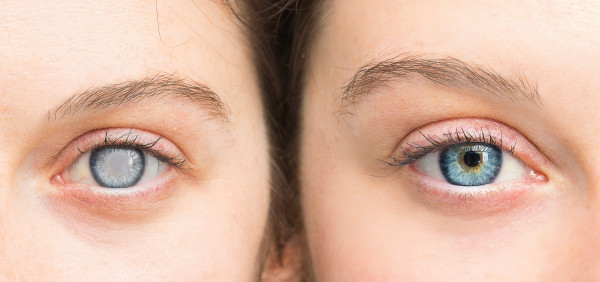
Jenalle said free radicals generated by cigarette smoke inhalation damage proteins in the eye lens. The level of the body’s antioxidants is also reduced, which further alters lens proteins.
“Together these factors accelerate the development and increase the severity of cataracts,” she said.
“Cigarette smoke itself not only irritates the outer layers of the eyes of the smoker, but other people are affected as a result of passive smoke. “Symptoms include watery eyes, stinging or burning sensation, and redness. Such symptoms are exacerbated in contact lens wearers.
“The risk of AMD developing can also be influenced by the exposure to passive smoke over the years.
“Smoking during pregnancy has also been found to increase the rate of strabismus (turned eye) and contribute to the underdevelopment of the optic nerve.”
There is never a better time than now to make the change and quit smoking. Connect at www.quit.org.au
For more information, or to make an appointment for an eye examination, call the team at Swan Hill and Kerang Optical, or book online at www.swanhilloptical.com.au