HEALTHCARE staff and patients across NSW remain worried they will be at risk following the NSW government’s response to an inquiry into rural, regional and remote health.
The inquiry was initially established in September 2020 to look into and report on health outcomes access to health and hospital services in rural, regional and remote NSW based on individual health care experiences.
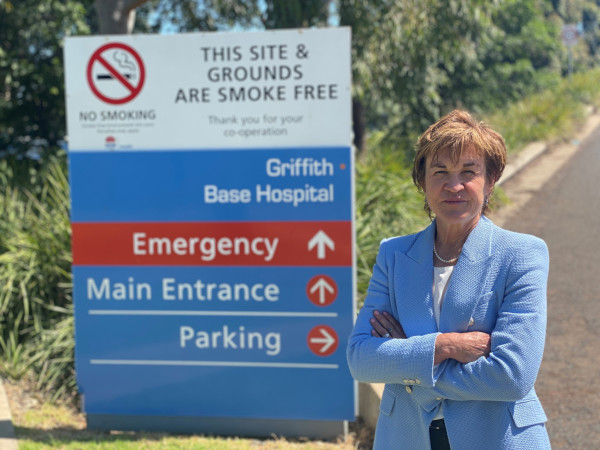
While the NSW government has announced funding to address some of the healthcare issues, Member for Murray Helen Dalton was extremely disappointed that there was no mention of patient staff ratios as a potential solution.
“NSW nurses are at the end of their tether,” Mrs Dalton said.
“How can they continue to care for patients when they have so many to look after in the first place?”
NSW Nurse and Midwives Association general secretary Shaye Candish said the government’s response to the recommendations either referenced state budget commitments, a need for Commonwealth intervention, or current health policies and processes.
“The NSW government has missed another opportunity to address the systemic issues impacting its own health workforce – the same workforce attempting to keep the doors of their public hospitals or health services open to local communities despite widespread challenges,” Ms Candish said.
“After 21 months of evidence and more than 700 submissions, our members are outraged the NSW government has once again chosen to ignore evidence-based workplace solutions, such as safe nursing and midwifery staffing ratios.
“We acknowledge the NSW government’s vague but much needed allocation of extra nurses and midwives for regional areas, and the recruitment and retention incentives package, but unless they address the shocking working conditions staff are enduring, patients will continue to be at risk.”
The NSWNMA is calling for ratios of one nurse to four patients on hospital floors, and one nurse to three patients in emergency departments.
“Why are we not listening to the people at the coal face of this problem – our nurses,” Mrs Dalton said.
“If they had better ratios perhaps they wouldn’t have to leave the industry because they are stressed, burnt out, overwhelmed and exhausted.
“If we don’t support our nursing staff, how we will attract the next generation into the profession.”
Mrs Dalton said every single day her three offices across her electorate are inundated with inquiries and concerns from patients and health staff, and she fears it is only going to get worse.
“There are just so many things wrong with our health system and while there is not one silver bullet, I do listen to the nurses,” Mrs Dalton said. “They tell me the introduction of ratios will make a huge difference to staff wellbeing and patient care and will bring NSW in line with other states.”
Mrs Dalton said the establishment of a Regional Health Ministerial Advisory Panel, which is to advise the minister for regional health, the minister for health and the secretary of the ministry of health on opportunities to improve healthcare services in regional NSW, will be irrelevant to her electorate because there is no representative from Murray.
“Considering we are a genuine rural electorate, our hospitals are in crisis and we have no representative on the panel, how are we supposed to contribute to a regional health plan and get better outcomes for Murray?” Mrs Dalton said.
“We can’t attempt to strengthen health outcomes if we don’t even have a voice at the table.”