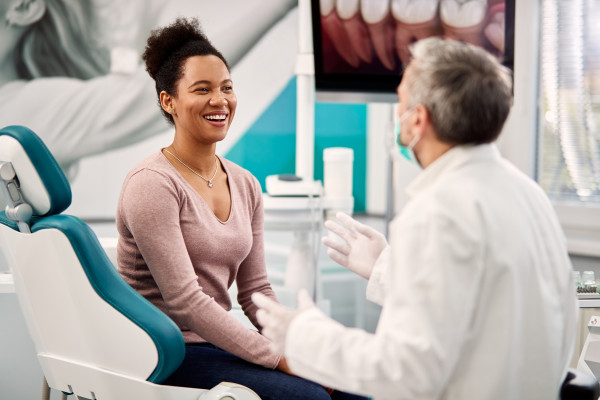
THIS month, from October 10-14, we are celebrating Mental Health Week and we wanted to talk about how our dental health has a direct correlation with our mental health.
You may know that your physical health can affect how you are feeling mentally – it stands to reason that if your body isn’t feeling well, your state of mind can be affected, and vice versa. But did you know this can also include your oral health?
In fact, the link between oral and mental health is a two-way association. In one direction, dental treatments can create anxiety. Some studies have found around half of all dental patients experience some anxiety about their dental visits, which can sometimes contribute to dental phobia.
In the other direction, many mental health disorders are associated with dental disease. This can be related to the nature of the disorder, such as an eating disorder eroding teeth, or the behaviour it creates, such as depression leading to a drop-in health care and oral hygiene.
There can also be a positive association in this direction, too – good oral health can help improve your mental health, helping to lift self-esteem and relieve the pain and discomfort of dental conditions.
Healthy mind, healthy teeth
People with mental health issues such as stress, anxiety and depression are more likely to suffer from dental problems.
In fact, one report says that people with severe mental illness have 2.7 times the likelihood of losing all their teeth compared to the general population.
One reason is that people with mental health conditions often aren’t focused on good oral health habits.
The symptoms of mental illness, such as having low energy and self-esteem, can lead to people overlooking daily oral-hygiene habits such as brushing and flossing. Poor mental health can lead to poor diet choices. A reliance on convenience food that are more acidic and higher in sugar with poor nutritional content can lead to a greater risk of tooth decay and weakened teeth.
On top of this, some medications prescribed for mental health issues, such as antidepressants, anti-anxiety medications and antipsychotic medications, often have the side effect of drying out the mouth due to reduced saliva flow.
Do you suffer from dental phobia?
Around one in seven Australians is affected by a high level of dental anxiety – which can lead to everything from avoiding the dentist to having panic attacks in the chair, none of which is good for you or your teeth.
The result: minor dental issues go untreated, worsen, and become severe dental infections and problems.
If you suffer from dental anxiety, talk to your dentist. They can empathise with nervous patients and will have some helpful strategies to get you the treatment you need in the way that you need it.
To help us raise awareness of the link between dental health and mental health, we will have a table set up on October 12 for the Swan Hill Committee run Mental Health Week Community Day at Riverside Park, Swan Hill, from 11.30am.
We will be giving away goodies and answering some of your biggest dental health questions.