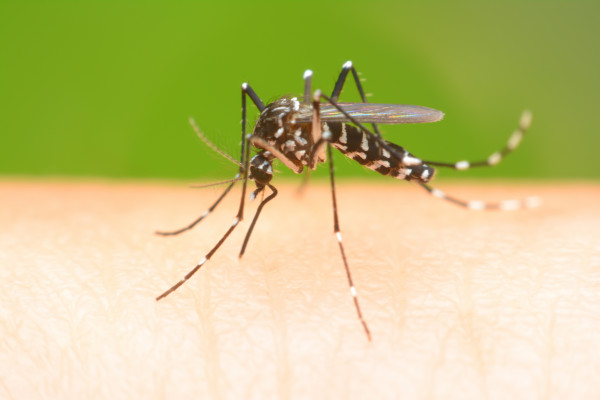
HEALTH authorities have stepped up their alerts urging people to avoid mosquito bites after the reported death of a Buloke Shire woman from Murray Valley encephalitis.
Victoria’s Chief Health Officer Professor Brett Sutton said people should “continue to be vigilant and take steps to avoid mosquito bites – especially in northern Victoria”.
The woman, in her 60s, died earlier this month. She was initially thought to have contracted Japanese encephalitis virus, which has also been reported in the Murray River region.
Hers was the first known Victorian MVE death since 1974.
Robinvale residents have been warned to protect themselves after the virus was detected in a mosquito trap.
Swan Hill Council public health and regulatory services co-ordinator Kelsey Corrie said last week council staff were undertaking appropriate mosquito treatments across Robinvale as a precaution.
It was reported last week that MVE had been detected 17 times in Mildura since the start of this year.
Victoria’s Health Department has warned MVE is “circulating widely in the mosquito population” in the north of the state. Residents should use suitable DEET or picaridin repellents on all exposed skin and wear long, loose-fitting clothing.
Where possible, residents should dispose of stagnant water, including around pot plants.
There should be flyscreens on all windows and self-closing wire screens on doors.
Most people who get MVE virus show no symptoms. Common symptoms can include fever, headache, nausea, vomiting and muscle aches. Symptoms typically develop seven to 12 days after exposure.
About one in 800 people can develop severe disease, including meningitis or encephalitis, which can be fatal or cause long-term neurological complications.
Severe symptoms include sensitivity to bright lights, drowsiness, severe headaches, neck stiffness, confusion, seizures, loss of consciousness or coma.
There is no vaccination against MVE. Anyone with these symptoms should seek urgent medical care.
Vaccinations against JVE, which can also cause neurological complications, are available for people who work outside for four hours a day or more.
Eligible people should speak to their GP, local public health unit, council or community pharmacist for more information.
The Department of Health provides funding and direction to councils in areas at high risk for mosquito-borne diseases to undertake both mosquito surveillance and mosquito control activities.