GETTING wound care right, with the right diagnoses and the right treatment at the right time, is the theme of Wound Awareness Week 2023.
More than 450,000 Australians suffer wounds each year, and many can be healed with the right diagnosis and treatment in a timely manner.
Understanding the wound warning signs will help you know when to seek professional advice.
Specialised wound care education and training for healthcare professionals is essential
Wounds that do not progress through the healing stages in a timely manner are considered hard to heal.
This could be a chronic wound that takes longer than a month to heal, or a newer wound which has had healing interrupted by infection, or other factors which affect wound healing such as medical conditions and medications.
These wounds require a specific treatment regime provided by skilled professionals.
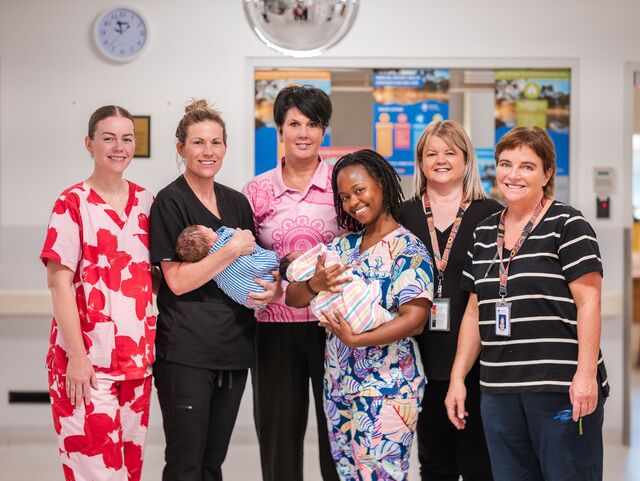
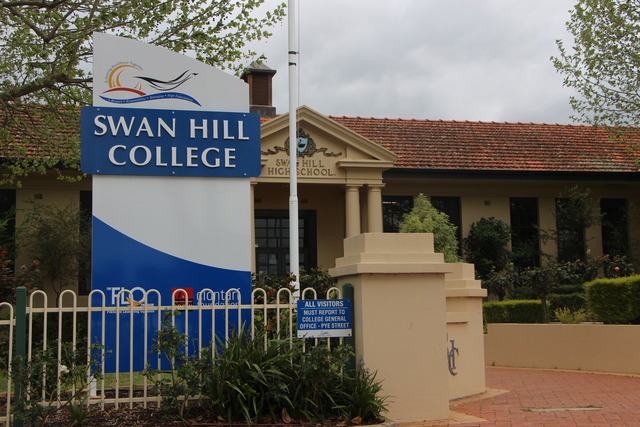
Swan Hill District Health has experienced staff with a wealth of wound knowledge ready to assist the community with wound care.
SHDH District Nursing Service is here to help with your wounds.
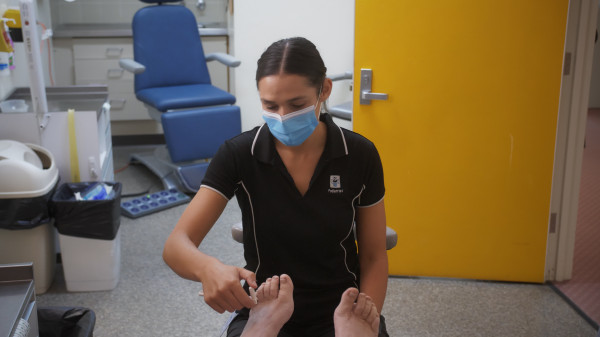
Anyone with a foot wound should also attend the podiatry department.
Both the district nursing service and podiatry department have staff who have completed postgraduate courses to advance their knowledge in wound care.
The podiatry department conducts dedicated wound clinics most days, as well as multidisciplinary clinics with other health care professionals.
Every Monday morning, a podiatrist and the lymphedema physiotherapist run a multidisciplinary lower limb oedema clinic.
This clinic is for people who are experiencing swelling in their feet and legs.
This can be caused by many different reasons, including lymphoedema and venous oedema. Complications of this can include wounds.
This multidisciplinary clinic can provide holistic wound assessment, care, and management.
Every Wednesday morning, a district nurse and a podiatrist conduct a clinic collaboratively, focusing on wound care and prevention of further skin breakdown.
This allows the teams to work together and develop wound care plans in conjunction with the client/their carer, as well referring to other health professionals.
Warning signs to be seen by a health professional in a timely manner include:
- Pain and heat
- Odour
- Excess fluid or weeping
- Slow healing (taking longer than a month, or keep returning)
- Concerns with pressure on the area, chronic disease, or aged over 65 years
- People with diabetes may also have raised blood sugar levels.
To find out more, forward your enquiry for podiatry to Allied Health reception on 5033 9390 and District Nursing Service to Maria Fox by calling district nursing reception on 5033 9375.