AS the Swan Hill region ushers in warmer temperatures and the allure of outdoor activities, the community is urged to arm themselves with crucial knowledge on snake bite first aid.
Swan Hill is home to an array of native wildlife, including venomous snakes.
A Swan Hill District Health spokesperson said in light of the potential risks, understanding proper first aid measures could be a life-saving skill for both residents and visitors.
Venomous snakes include the eastern brown snake, tiger snake and red-bellied black snake.
With the onset of warmer weather, these reptiles become more active, heightening the likelihood of human encounters.
It is imperative for locals to recognise the species common to the area and be prepared.
Snake bites can be a harrowing experience, demanding swift and composed responses.
The initial moments following a snake bite are often critical, and it’s important to adhere to the S-T-O-P protocol:
S – Stay calm: Panicking can exacerbate the situation by increasing the heart rate and spreading venom. Taking deep breaths and maintaining composure is vital.
T – Touch: Refrain from touching the bite area. Old-fashioned practices like attempting to suck out venom or using a tourniquet are not only ineffective but can worsen the situation.
O – Observe: Keep a close eye on the bite site for signs of envenomation, such as swelling or redness. If possible, note the snake’s characteristics for medical professionals.
P – Phone for help: Emergency services should be contacted immediately.
Even seemingly minor snake bites require prompt medical attention.
While awaiting emergency services, use first aid to mitigate the impact of a snake bite:
1. Immobilisation: The bitten limb should be kept still and immobilised. Using a splint or bandage to restrict movement can help contain the spread of venom.
2. Positioning: If possible, position the affected limb at or slightly below heart level. This aids in slowing the venom’s movement through the lymphatic system.
3. Cleaning the bite area: Gently clean the bite area with soap and water, avoiding the use of a tourniquet or ice, which can worsen tissue damage.
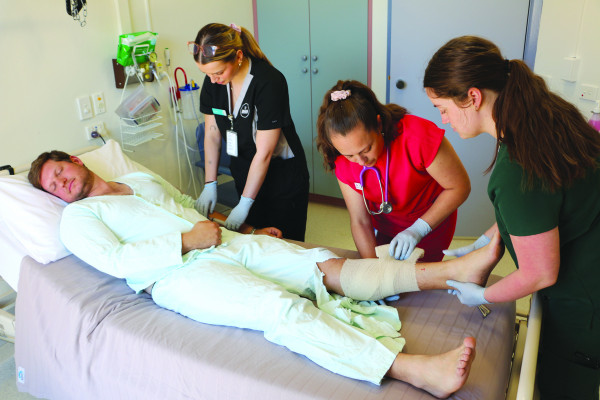
4. Compression bandage: For bites on extremities, applying a compression bandage above the bite site can help limit venom spread. The bandage should be firm but not overly tight, akin to managing a sprained ankle.
5. Keep the patient calm: Encourage the patient to remain calm and still. Anxiety and movement can elevate the heart rate, accelerating venom circulation.
“As Swan Hill residents embrace the warmth of the coming season, the importance of snake bite first aid cannot be overstated,” the health service said.
“Empowering the community with knowledge and fostering a culture of preparedness ensures that the region can be enjoyed safely.”