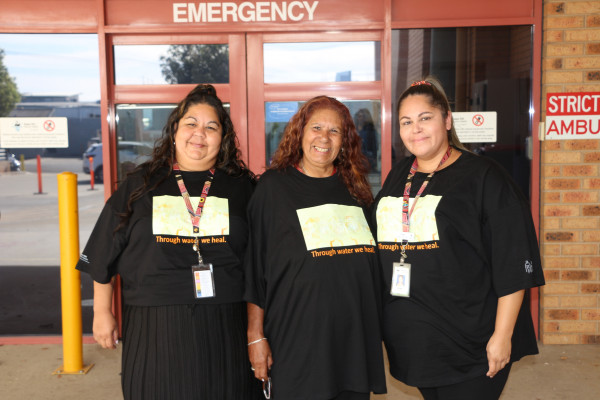
DID you know Swan Hill District Health has an Aboriginal health unit?
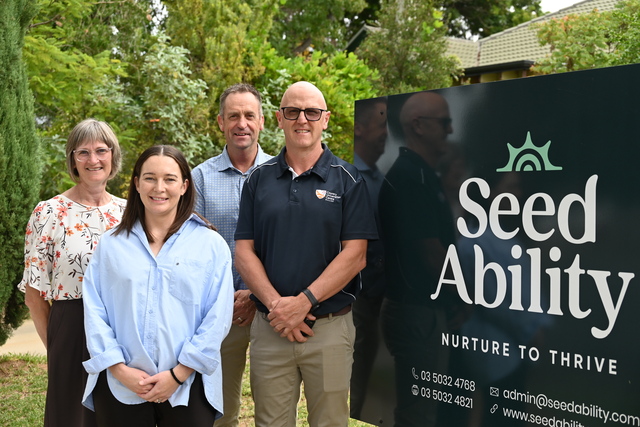
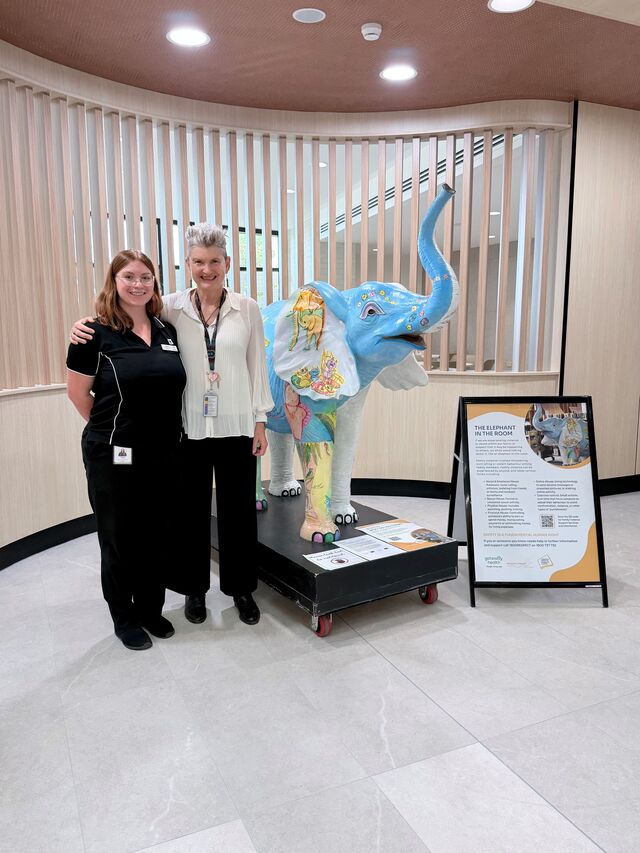
Kapel Telkuna is managed by three staff members Charmain Anton, Debra Chaplin and Cree Clayton.
Charmain is the Aboriginal health manager, who started in the role in January, Deb is an Aboriginal health liaison worker who has worked at SHDH for more than 10 years and Cree, also an Aboriginal health liaison worker, started in November last year.
The Kapel Telkuna unit offers support to Aboriginal and Torres Strait Islander people throughout their healthcare journey at SHDH to promote connected care and best experience.
They can provide:
• Cultural and social support.
• Support with talking to patients’ doctors and nurses upon request.
• Help with things patients may need for a stay in hospital such as toiletries.
• Assist with any concerns and provide other options where necessary.
• Help to connect with other services in the community.
• Arrange services prior to discharge from health services.
• Help to understand any information unsure of.
• Help you to attend appointments both as an in-patient and following discharge
• Assist with surgery pre admission appointments
• Assist you to find relevant information and resources
• Link you in with other AHL’s if you need to attend another hospital
Kapel Telkuna can ensure equal access to healthcare for Aboriginal and Torres Strait Islander people, be a point of contact for all Aboriginal and Torres Strait Islander people as requested and facilitate referrals to other services, particularly culturally specific for Aboriginal and Torres Strait Islander people.
Health focus: Diabetes
ABORIGINAL or Torres Strait Islander people are almost four times more likely than non-Indigenous Australians to have diabetes.
Diabetes is a disease where there is elevated glucose (sugar) levels in the blood.
Glucose comes from some of the food we eat and is needed by the body for energy.
Insulin is a hormone that helps glucose move from the blood into the cells where it is then turned into energy.
When someone has diabetes, the body is either not making enough insulin or the insulin is not doing its job properly.
There are two main types of diabetes – Type 1 and Type 2.
Type 2 is more common in people of both Aboriginal and Torres Strait Islander backgrounds.
Reducing your risk:
Healthy eating, keeping active and being a healthy weight, or losing some excess weight will help to reduce the risk of diabetes.
• Choose high fibre slow energy release foods like most fruits, baked beans, rice and all types of pasta and noodles, porridge or muesli, grainy breads and low fat milk and yoghurt.
• Reducing frequency and portions of discretionary/treat foods.
• Drink plenty or water – aim for at least eight cups of water per day.
• Keeping active – aim for at least 30 minutes per day.
• Aerobic exercises such as walking, bike riding, swimming, dancing, sports and active games and running are great options
• Activities that make your muscles work against weight such as weight lifting. Resistance activities such as squats and wall presses.
• Grab a friend and have a yarn while going for a walk with the children or the dog.
Managing diabetes:
High glucose levels can lead to health complications. These complications can affect your eyes, kidneys, feed, blood vessels, heart, teeth and gums.
Diabetes is manageable, start off on the right foot and find out all that you can about diabetes, your health care worker will be able to assist you with this.
Other ways to manage your diabetes include eating healthy, being active every day, taking your medication as prescribed by your doctor, checking your blood glucose levels regularly as required, giving up smoking and having regular blood tests and blood pressure checks.
There are many services available to people living with diabetes including the community health department and their team of diabetes educators and dietitians, as well as other health professionals at SHDH.
If you are looking for some more information then you can contact them on 5033 9337 or if you are an Aboriginal or Torres Strait Islander person who would like some assistance in making this first step, contact the Kapel Telkuna team on 5033 9323.