AFTER months of speculation, Swan Hill District Health now know they will not be forced to amalgamate with other public hospital services across Victoria.
The Victorian Government last week received the final report on the state’s health services plan from an expert advisory committee, recommending the amalgamation of 76 public hospital services to 11.
The report suggested amalgamations would allow effective use of hospital resources, attract more workers and reduce costs, decreasing fragmentation across the state’s public health system.
The report also stated Victoria’s health services system was “no longer fit-for-purpose”, handing down 27 recommendations including the establishment of a new agency, Hospitals Victoria and supporting amalgamation.
However, the State government accepted 26 of 27 of the recommendations – defying the advisory committee’s suggestion of widespread amalgamation.
The State Government instead proposes the grouping public health services into Local Health Service Networks – five rural and regional networks and six metropolitan networks.
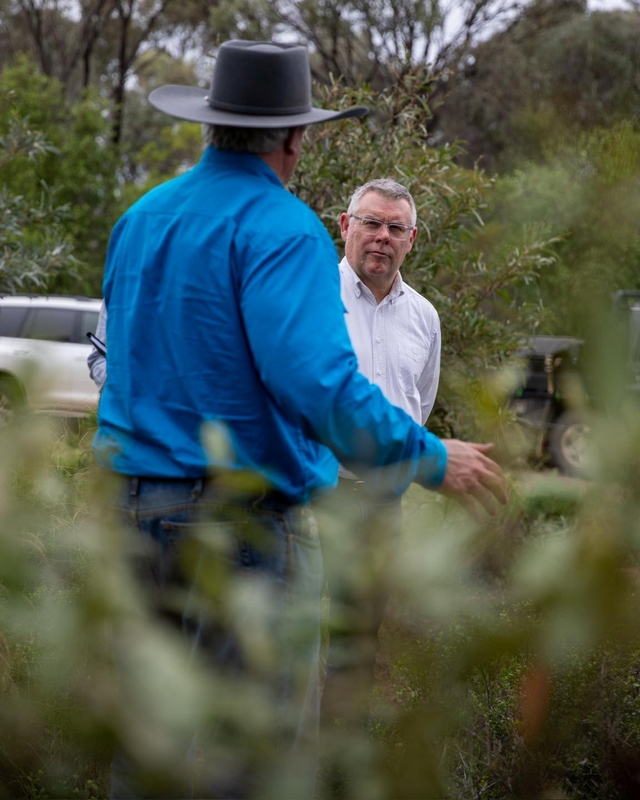
SHDH chief executive Peter Abraham said it was “pleasing to receive an outcome from the rather complex work that has been going on for some time”.
“We, as chief executives and board chairs, have been involved in the development of the health services plan which has had a collaborative approach,” he said.
“The reports suggestions, particularly the forming of local health networks, isn’t dissimilar to what we currently do here in the Loddon Mallee area anyway.
“I have had the fortunate role for the last two years of being the chair of the Loddon Mallee Health Network.
“That is made up of the group of health services set to be in the Loddon Mallee Local Health Service Network, not including Kyabram and Maryborough who will be in their joining their neighbouring regions.
“We’ve been working collaboratively together for some time, and what we see in the report supports what Swan Hill and other health services have already been working towards.
“SHDH already share collaborative arrangements with a number of health services, such as Kerang District Health where they share financial services and medical record services.
Mr Abraham said the report would assist those in regional and rural areas to have better connection with the specialist health services in metropolitan areas.
“This provides a clearer pathway for the people who access healthcare locally, who will also need higher level care that we can’t yet provide,” he said.
“Even though the detail from this report has not yet been fleshed out, when that happens it will assist us in how we can flow patients into the care they need.
“We understand that the cost of healthcare has gone through the roof, much like the cost of anything at the moment.
“It is comforting for myself and the boards of health services to know that there’s more dollars coming down the line, but we don’t yet know the details of that.
“Now it’s onwards and upwards for us here – next up is to get the new emergency department up and running and then onto the next step.
Minister for Health Mary-Anne Thomas described Victoria’s health system as “one of the best in the world”.
“These reforms will keep us on track to deliver even better patient care,” she said
“…Through a reformed health system that is better integrated and connected, at the same time protecting the local services we know Victorians trust and rely on.”
But Victorian Leader of The Nationals, Peter Walsh claimed the State Government were “marching ahead with mergers of regional health services, regardless of its spin and rhetoric.”
“Labor can call them networks or alliances, but it is still planning massive amalgamations,” he said.
“We support local hospitals for local people, yet these mergers take management and key decision making away from locals
“Decisions and cuts will be made from centralised hubs in big regional centres, in some instances a long way away from the actual local health service.
“Regional patients in some cases will have to travel hundreds of kilometres from where they live to where the services are delivered.”