A STATEWIDE survey into pain experienced by women has revealed the impact of sexism, misogyny and culturally unsafe care.
Some 13,000 women, girls, carers, families and healthcare workers responded to the Inquiry into Women’s Pain, sharing negative experiences they have had when seeking care, a Victorian Government statement revealed.
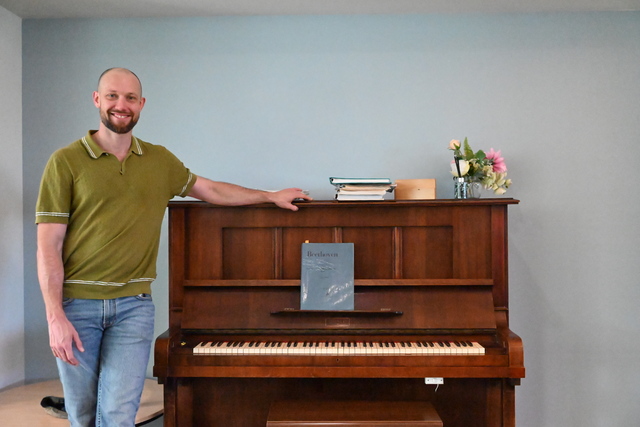
Swan Hill Chronic Pain Clinic co-ordinator Luke Phelan told The Guardian that from his experience working in women’s healthcare, the survey results were not a surprise.
“This survey and previous data that we have shows that many women don’t feel like their pain is adequately addressed by their healthcare professional, or in worst case scenarios women report leaving consultations feeling like their healthcare professional didn’t believe their pain was real,” he said.
“That’s certainly an issue that we’re aware of and this data just supports that further.
“Hopefully, the government will get together and talk about the results of this inquiry, work out which areas are probably most affected and under-resourced and allocate funding for healthcare services to set up clinics that are closer to home and require less travel for women. In particular, to get proper diagnosis and treatment around women’s health issues.”
In his role, Mr Phelan is working to provide equal access to adequate healthcare for his patients.
“We try to always integrate the perspective and past experience of people with pain concerns,” he said. “We make sure they do feel listened to and feel like their condition has been thoroughly investigated and explained to them, so that they can tell family members and manage it better themselves.
“The results from the survey articulate that women are likely to have this experience. Our healthcare team here are conscious of that fact and we do take the time to listen to what their concerns are and what treatment approaches may be useful to them.”
Mr Phelan acknowledged that as a rural health service, the Chronic Pain Clinic faces compounded challenges, but that increased awareness and understanding of women’s healthcare needs can contribute to addressing the pain gap.
“Having worked in a regional area for a long time, everyone here at the hospital and particularly in our service is very aware of that and just who they’re best to utilise the resources to close that gap and bring specialist care closer to home,” he said.
“In the past five years I’ve certainly noticed an improved awareness in understanding of those conditions and therefore better management, so the wheel is already turning in the right direction in terms of some of the concerns this survey highlighted which is great.
“Our role in the pain service is to acknowledge that pain is personal and it’s unique and it’s always real, because that’s often a common issue that they don’t feel like they’re being heard.”
In the case that a patient feels unheard or dismissed, Mr Phelan encouraged that they seek a second opinion and pointed to the services available to address particular concerns.
“Hopefully women in our community are aware that the Chronic Pain Clinic, Women’s Health Physiotherapy, Continence Nursing Services and the Women’s Health Clinic at Community Health are available to them, and to inquire with those services to see if it’s something that can be helped or addressed,” he said.