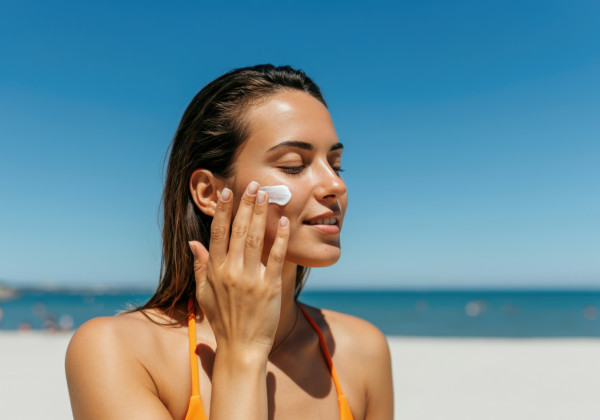
TEENAGERS have been urged to cancel tanning culture as new research reveals high school students, especially girls, are still chasing a suntan despite the health risks.
A SunSmart survey in 2022-23 found one third (34 per cent) of Victorian high school students aged 12-17 years attempted to get a suntan during the previous summer, with female students (50 per cent) significantly more likely than males (19 per cent) to have attempted a suntan.
Further highlighting persistent pro-tan attitudes among females, the survey also found 42 per cent of females agreed with the statement “most of my friends think a suntan is a good thing”.
These results came from the latest Australian Secondary Students’ Alcohol and Drug Survey, which is conducted every three years by Cancer Council Victoria. The survey has been tracking Victorian high school students’ attitudes and behaviours towards sun protection and tanning since 1993.
In the past 30 years, there’s been a significant decline in Victorian students’ attitudes towards tanning, with 85 per cent of Victorian high school students reporting liking a suntan in 1993 compared with 57 per cent in 2022-23.
Head of SunSmart at Cancer Council Victoria, Emma Glassenbury, said it’s positive to see a drop in pro-tanning attitudes over time, but we still have a long way to go.
“We’ve come a long way in educating young people about the dangers of tanning,” she said.
“But this new research shows many students, especially females, are still seeking a tan despite the potentially dire health consequences.
“That’s a worrying fact we cannot ignore.
“So despite what you may see on social media or at the beach, just remember that a tan is a sign that your skin’s DNA has been damaged by UV, which can increase the risk of premature ageing, sunspots, and of course skin cancer.”
Ms Glassenbury said social media content was fuelling harmful attitudes toward sun protection and tanning.
“We’re deeply concerned by the volume of content glorifying tanning culture and spreading misinformation about sun exposure, influencing teens’ attitudes and behaviours,” she said.
“Content and trends that actively promote tanning undermines our life-saving work of preventing skin cancer in Australia.
“It’s irresponsible for social media platforms to be housing this misleading, dangerous content.
“We know that many young Australians are aware that UV increases skin cancer risk.
“Yet, a high proportion also believe they won’t be affected by skin cancer in their lifetime.
“We need to bridge this gap.”







![[READER COMPETITION] – Win tickets to see Sara Storer – Mystic Park Hotel on 22nd March](https://theguardian.com.au/wp-content/uploads/2026/03/Sara-storer.png)