Many older homes are charming and full of character, but they often come with outdated wiring that can pose safety risks. It’s crucial to be proactive in these situations. Identifying potential electrical hazards before problems occur is vital to maintaining a safe environment.
To assist you with this, here are some of the most common issues to look out for in aging electrical systems.

Hazard #1: Faulty Wiring
Older houses often harbour a hidden danger: faulty wiring. These homes were built with wiring systems that were adequate decades ago but no longer meet today’s standards or power demands. For example, cloth-insulated wiring, common in such homes, can fray over time, creating short circuits and posing a fire risk.
Similarly, aluminium wiring, frequently installed before the 1970s, is prone to overheating due to its lower electrical conductivity compared to copper, leading to insulation damage and potential electrical fires.
Signs of wiring issues can be subtle, such as crackling sounds from outlets, odd burning odours, or flickering lights. In such cases, reaching out to an electrician 24/7 Perth service can provide immediate assistance and peace of mind. Their expertise in dealing with outdated systems can be invaluable in reducing risks associated with faulty wiring in older houses.
Hazard #2: Overloaded Circuits
In homes built before the era of large appliances, the number of circuits is often insufficient to handle today’s electricity usage. This results in overloaded circuits, a common issue in older homes. When circuits are overloaded, they’re forced to work harder than they’re designed to, producing excess heat. This heat can melt insulation and, in severe cases, cause fires.
Signs of overloaded circuits can be tripping breakers, burning smells, or outlets that are warm to the touch. These are important indicators that should not be ignored. To prevent overloading, avoid practices like ‘piggybacking’ power strips or running multiple high-wattage appliances simultaneously on old circuits. By being mindful of these issues, you can ensure a safer electrical environment in your home.
Hazard #3: Grounding Problems
Proper grounding is essential in any electrical system, as it provides a safe path for electricity to flow in the event of a fault. However, in older houses, inadequate grounding was quite common, leading to potential safety risks.
For instance, two-prong outlets without a grounding pin were standard in older construction. These outlets, along with buried wires without ground rod connections, can increase the likelihood of electrical shocks during malfunctions.
Signs of grounding issues can be subtle but should not be ignored. Buzzing sounds coming from outlets, frequent small shocks, or outlets that don’t accept three-prong plugs are all indicators of potential grounding problems. By being aware of these signs, you can take the necessary steps to address these issues and ensure a safer living environment.
Hazard #4: Exposed Wiring
In the hidden corners of our homes, like unfinished basements, attics, and garages, a silent threat may be lurking: exposed wiring. Over time, insulation can wear away, leaving live wires exposed. This puts occupants at risk of electrical shocks and creates major fire hazards.
For example, exposed copper wiring, if not properly secured, can come into contact with flammable materials and spark a fire. Therefore, it’s important to regularly visually inspect these utility areas for any signs of wear and tear on the insulation.
Remember, safety comes first. Ensure all wires are properly secured, and junction boxes are fully enclosed. By doing so, you can avoid the dangers of exposed wiring and maintain a safer home environment.
Hazard #5: Outdated Panels
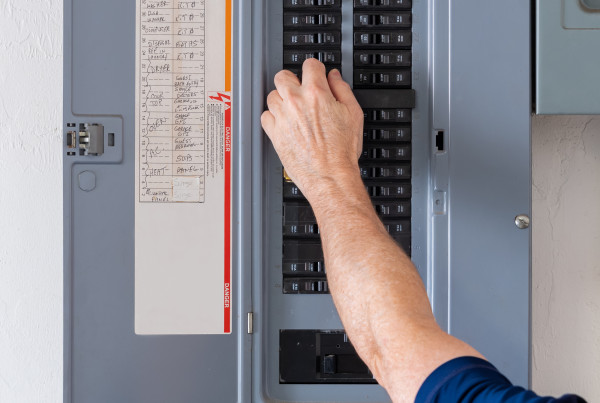
Electrical panels installed in homes before the 1980s are often notoriously faulty. These panels, even if they were top-of-the-line during their time, may not meet today’s safety standards. Modern panels can also become dangerous as they age, especially without proper maintenance.
Signs of an outdated or faulty panel can include rusting, water leakage, frequently tripped breakers, or breakers that are warm to the touch. Compatibility issues with newer electrical additions, such as solar power systems, can also indicate that your panel may need replacing.
Regular inspection and maintenance of your electrical panel is crucial. If you notice any of these signs, it might be time to consider replacing your panel.
Address Hazards Promptly
Electrical safety issues in older houses can indeed seem overwhelming. However, the importance of prompt identification and resolution cannot be overstated. Letting these issues linger can lead to serious hazards.
If you’re not well-versed in electrical systems, don’t hesitate to seek professional help. Hiring a licensed electrician to inspect your home and make necessary wiring upgrades is a wise investment for your safety.
Preventative electrical maintenance isn’t simply about protecting your property. More importantly, it’s about safeguarding your family from harm. By addressing these hazards promptly, you’re taking a proactive step towards a safer home environment.