
That said, this article will explore the characteristics of highly sensitive children, the unique challenges they may face, and practical strategies to support their development and well-being.
What Is a Highly Sensitive Child?
A highly sensitive child is a child who exhibits heightened sensitivity to sensory input, emotions, and environmental stimuli. This concept is rooted in the field of psychology, specifically in the idea of sensory processing sensitivity (SPS), a trait found in around 15-20% of the population. These children are not ‘overly sensitive’ in a negative way but possess a nervous system that processes information more deeply than others. Understanding this psychological trait can help caregivers and educators provide better support for these children’s unique needs.
Signs of a Highly Sensitive Child
Recognizing the signs of high sensitivity in children can help caregivers understand their unique needs and provide the proper support to help them thrive. Below are the key signs that may indicate a child is highly sensitive.
1. Heightened Sensory Sensitivity
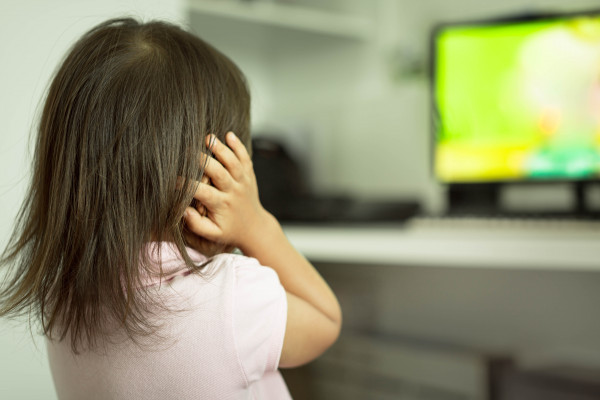
Highly sensitive children are often very aware of their surroundings, and this can manifest as a heightened sensitivity to sensory stimuli. Loud noises, bright lights, strong smells, or certain textures may feel overwhelming or uncomfortable for them. This sensitivity also extends to busy environments like crowded places, large gatherings, or chaotic situations, where the sheer volume of stimuli can leave them feeling anxious or overwhelmed. Their sensory processing system is finely tuned, so what might seem like ordinary sensory experiences for most can feel intense or uncomfortable for them.
2. Deep Emotional Responses
Emotionally, highly sensitive children are often deeply empathetic and intuitive. They can quickly pick up on the intense emotions of those around them, sometimes before others are even aware of how they feel. They are moved by emotional experiences—whether in real life or in books, movies, or stories. A touching story or a sad event can bring them to tears, and they may express feelings more intensely than other children their age. This depth of emotional response means they may feel overwhelmed by emotions, both their own and others, and require more time to process and understand their feelings.
3. Easily Overstimulated
Due to their heightened awareness of sensory and emotional input, highly sensitive children are more prone to overstimulation. When they are in busy environments, experiencing new situations, or faced with rapid changes, they can quickly become overwhelmed. This often results in meltdowns, tantrums, or a tendency to withdraw and seek solitude to recover. For these children, everyday activities like going to a party, attending a busy school event, or transitioning between activities can feel draining. They may need more downtime or quiet time to decompress and process their experiences, compared to less sensitive peers.
4. Sensitivity to Criticism
Highly sensitive children often have a strong emotional reaction to criticism or perceived failure. They take feedback deeply to heart, and even mild constructive criticism can feel like a personal attack. They may replay conversations or mistakes in their heads, dwelling on what went wrong. This sensitivity to criticism can lead to perfectionism, where the child becomes overly concerned with making mistakes or not meeting expectations. In some cases, they may avoid trying new things or taking risks for fear of failing. It’s essential to approach them with gentleness when providing feedback, as they are often their own harshest critics.
5. Thoughtful Decision-Making
Highly sensitive children tend to be more deliberate and thoughtful when it comes to making decisions. Rather than jumping into action impulsively, they take their time to process information, weigh their options, and consider the potential outcomes. This can sometimes make them appear cautious or hesitant, especially in unfamiliar situations, but it’s simply their way of ensuring they feel comfortable and confident before making a choice. They often think deeply about their actions and may be slower to warm up to new situations or people because they are carefully assessing their surroundings before engaging.
6. Noticing Subtle Details
One of the defining traits of a highly sensitive child is their ability to pick up on subtle changes in their environment or the behavior of those around them. They may notice a slight shift in someone’s tone of voice, a small change in routine, or even a difference in the lighting of a room that others might overlook. This keen attention to detail can be a strength, but it can also make them more prone to feeling unsettled by changes. Sudden changes to their routine, unexpected events, or an unfamiliar environment can make them anxious, as their minds are constantly processing these small but significant details.
Conclusion
Highly sensitive children possess a unique blend of emotional depth and sensory awareness that sets them apart. While their heightened sensitivity can sometimes present mental health challenges, it also offers a wealth of opportunities for growth and creativity. By understanding the characteristics of HSCs and providing a supportive environment, parents, caregivers, and educators can help these children develop their full potential and thrive.