PHOEBE DOYLE looks back at the events and issues from July in The Guardian‘s Year in Review series.
Tuesday, August 23
– Police believe a young man was the victim of a fatal hit-run on the Murray Valley Highway north of Kerang. The body was discovered when it was struck by a car on the highway at 2.18am. The driver, a 59-year-old Nyah West woman, stopped at the scene and notified authorities. Investigators believe the man may have been struck earlier by another vehicle, which left the scene without stopping.
Read the concluding article here
– The Swan Hill Council acknowledged the true extent of Robinvale’s population. Council community and cultural services director Bruce Myers said the council’s population study showed Robinvale was not as small as it seemed, with an estimated 8000 people calling Robinvale home compared to the 3740 as per the official Census data.
Friday, August 26
– Community satisfaction with Swan Hill Rural City Council fell since the same time last year according to the results of the latest survey. Council scored an overall performance rating of 53 out of 100, which was three points lower than in 2021 and is lower than both the Victorian average of 59 and the average of similar large rural councils, which was 55.
– Butterworth Street was voted Swan Hill’s worst road in a community satisfaction survey. The 10 worst roads, based on the phone survey of 400 people in the Swan Hill LGA, included six local roads and four main roads that are the responsibility of VicRoads. Overall though, people rated their satisfaction with sealed local roads at 51 points, down one point from 2021 but seven points higher than in 2020.
Tuesday, August 30
– A long-standing dispute for many NSW councils over the accounting treatment of local Rural Fire Service (RFS) mobile assets came to a head after the Auditor-General’s 2021 Report on Local Government. The audit report re-emphasised the State Government determination that RFS assets are the “property” of councils and must be recorded in council financial statements, which Murray Rover Council Mayor Chris Bilkey described as a “cynical, financial sleight-of-hand”.
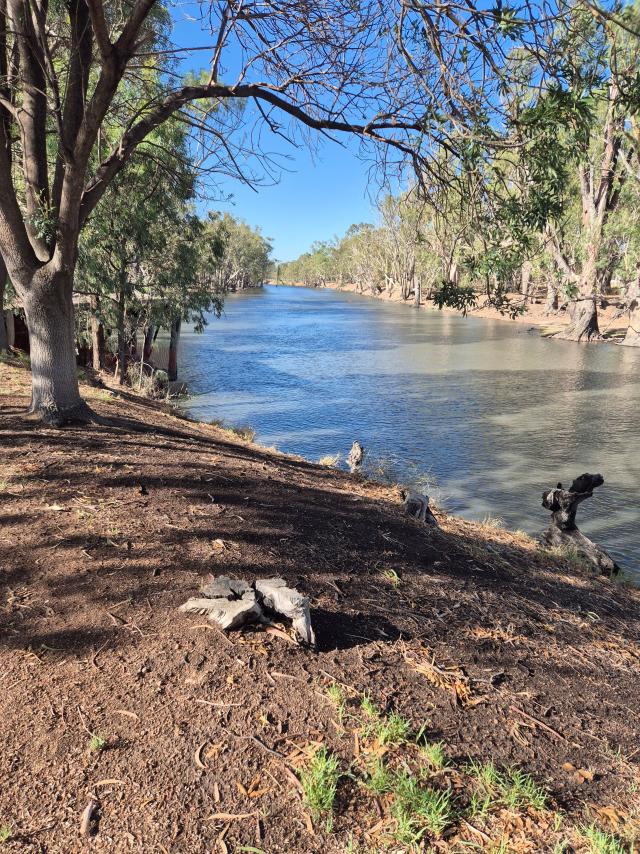
– The lower Murrumbidgee River was running high at Balranald, breaching low banks and inundating parts of floodplain parklands. With more water having been released down the Murray from the Hume Dam, it prompted the removal of the Mildura weir to make way for high flows.