Hit the hip pocket
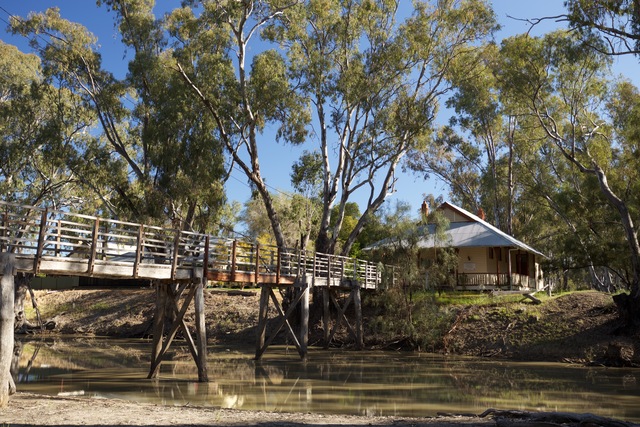
I ATTENDED the public meeting in October at the Pioneer Settlement and voiced my concerns about a modern building being constructed there.
One of the first statements the architect said was that he “could not possibly design a building that would blend in with the Pioneer Settlement”.
Councillor Bill Moar, in the January 1 edition of The Guardian stated, “We don’t know what the outside will look like yet, that will be up to the architect.”
Why then was an architect employed and paid thousands of dollars to come up with a concept plan?
Spending millions of dollars on a contemporary structure will not entice more visitors to the Pioneer Settlement and make it more attractive.
It will hit the hip pocket of all ratepayers and taxpayers.
When is the excessive expenditure going to end?
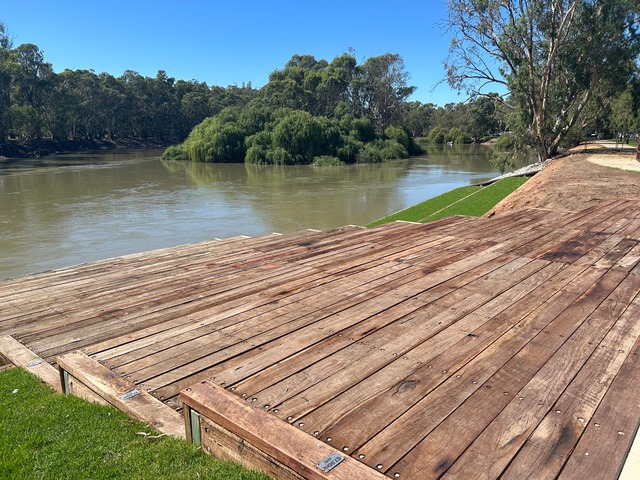
If you have a look at the riverfront masterplan on council’s website, you will see extensive plans which I believe have no estimated expenses or budgets.
Our Place is just the beginning.
Helen Bennett,
Waitchie
Give money to bushfire-affected town
LAKE Boga Inc gained an allocation of $168,000 from the state government some 12 months ago via the pick my project grants.
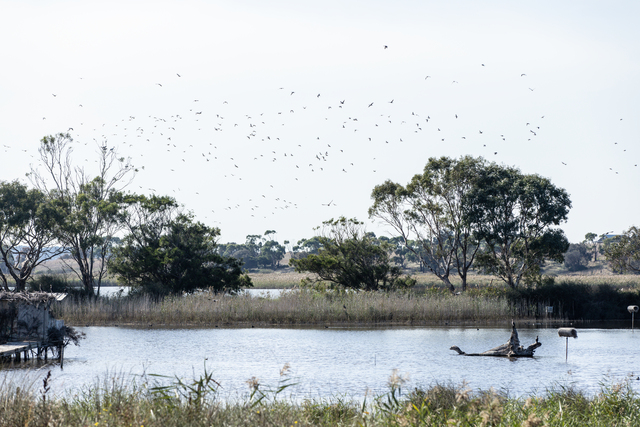
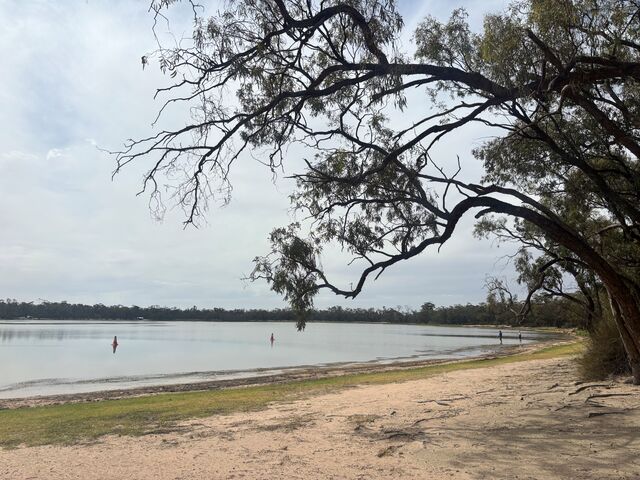
They decided to construct a concrete walking path over the existing natural path along the lake foreshore south from the yacht club, this was against the wishes of the majority of affected residents and numerous tourists.
Lake Boga Inc was unable to manage the project so they gave it off to the Swan Hill rural council who have applied for an extension the time that the project was meant to have been completed by.
I feel what has happened in Gippsland and the non-urgent nature of the path, Lake Boga Inc should offer the money back to the state government on the proviso that the money would be used in a community that has been devastated by the bush fires.
Fred O’Bryan,
Lake Boga
Safer access to Monash Drive
TOURISM being one of the many lifelines of a community, yesterday I travelled from Melbourne by V/Line; however, I experienced great difficulty in safely accessing the Pioneer Settlement from the Swan Hill railway station.
You may not be aware that there is no direct continuous pathway, adequately signed either, by walking south or north from the station to reach Monash Drive, using a town map with no marked scale, available at the station.
Assuming local tourism bodies, V/Line, politicians and the rural council are supportive of the Settlement, they need to urgently look to providing safe “gate” pedestrian crossing at or near the south end of the station across to Monash Drive.
In drizzling rain, we walked some 950 metres south, via Curlewis, Campbell, Gray and Mitchell streets to the road rail crossing — no pedestrian gate crossing available to reach the west side of Monash Drive.
In making this walk, there were times of overhanging trees, lack of defined footpaths and spongy grass along the west side of Monash Drive before we made a decision to risk crossing to the east side before walking the final 100 metres to the Settlement entry.
If the forward journey was a challenge, more so was the return journey when we took advice to travel north and found that less defined continuous pathways existed.
Again in light rain, we had to walk in some places along the road shoulder facing traffic while in search of a safe pathway to reach McCallum Street before turning left (south) for a final 400-metre walk to the station.
The northern trail is longer, 1150 metres. Again no scale noted on the map to obtain a more accurate estimate.
A safe pedestrian crossing, adequately signed some 150 metres south of the station, would give a safer and a shorter distance access to the Settlement for train commuters.
Surely all agencies, particularly V/Line, and the Swan Hill rural council should, should agree and give support in providing a better, a safer and more direct access to and from the station.
Support from local, state and federal government representatives would be welcomed in opening a dialogue between the many relevant parties and agencies.
My experience in raising such a matter stems back to my seven years as an active member and treasurer of the Walhalla Crown Lands Board of Management where we increased tourism and safety throughout the town for the many daily tourists and long-term residents.
I trust some positive action can eventuate.
Graham McCourbrie,
Glen Iris
Fire anxiety on children
THE horrendous fires that have raged across Australia over the last few weeks have shocked and deeply shaken all of us, but the effect of rolling news coverage and anxiety on children is particularly concerning.
As Australians brace for another week of catastrophic fire conditions, child’s rights agency Plan International Australia has launched a guide with simple and practical tips to help parents talk with their children about out-of-control fires and disasters.
Just some of these tips include validating children’s fears and feelings, but from a position of reassurance and strength; answering questions honestly and informatively; highlighting the community of emergency workers and people doing good in the world; and guiding children towards acts of kindness, which encourages them to feel helpful rather than helpless.
It is critical that we build resilience in the next generation.
Through our work with children in the aftermath of disasters, we have learnt that they are better able to comprehend and cope with emergencies when they are reassured of their safety, that they are not alone in their feelings, and of the positive stories of communities helping each other out.
You can download the How to talk to your kids about out-of-control fires guide at plan.org.au
Hayley Cull,
Director of advocacy
Plan International Australia