OPTIMISTS see the silver lining on any cloud, however in some parts of Australia there have been way too may clouds: unrelenting drought, catastrophic bushfires and now a global pandemic.
But there is a potential silver lining staring regional Australia in the face, if we look beyond the present threat.
During World War II, Australia responded to overwhelming need through invention and a can-do spirit. Manufacturing grew to meet the need for equipment, arms, uniforms and medical supplies. Need predicated ideas, energy, organisation and implementation of war-time efforts. Australia’s response to Covid-19 is similar. The spotlight is again on manufacturing medical items, and Australian industry stepped up in Shepparton. Necessity really is the mother of invention — and innovation.
I believe this crisis provides regional communities with the impetus and scope to innovate and catalyse productivity. Regional communities are less crowded, less polluted and less rushed. Land is cheaper and there is plenty of it. There is great opportunity, almost expectancy, begging to be brought to life.
We often hear about the resilience of regional communities. I see it firsthand when I talk with farmers who haven’t sown a crop for years or have watched paddocks creep through fences and blow away in dust storms. These farmers trade in resilience and stoicism. But they have also adapted to change, whether it be environment, markets or technology. They have reset their business models and operations to meet the challenges and benefited by doing so.
This crisis offers regional communities an opportunity to reset, reconnect, reconsider and reshape the way we do business and live our lives. There are two aspects in particular: one is value adding to primary industries through manufacturing; the other is the way we live as members of community.
Building our manufacturing capabilities must become a focus if we are to see growth and recovery on the other side of COVID-19. We must embrace opportunities that pave a way for greater self-reliance on Australian supply chains. Too much of our raw product is shipped overseas for manufacture, then returned as product for sale. With technology and automation, we can cost-effectively produce quality goods that are desired around the globe. While we remain committed to building international trade relationships, diversification would be prudent and fruitful.
Regional Australia has the people, space, ideas and willingness to innovate. As the Federal Member for Mallee, I have met extraordinary people who think big and achieve phenomenal outcomes for Australia. Regional contribution to GDP is significant. Our growers export 70 per cent of their produce around the world, while meeting domestic need. Ground breaking research from centres such as Birchip Cropping Group is investing in the future of agriculture through greener, cleaner, smarter crops that are highly valued worldwide. Mineral sands and rare earth productions are progressing in Mallee and I am advocating for the infrastructure required to expand operations. G1 Logistics has invested in a high tech computerised system that manages stock control, loading and transport. Owner Damien Matthews saw the potential in Mildura and made it the centre of his national operations.
Our appetite and scope to expand manufacturing in Mallee is real; however, it is predicated on access to sustainable, affordable and reliable energy, water, digital and transport infrastructure. Given high labour costs in Australia, the way forward must engage technology, automation and digitised systems to produce greater efficiencies, in order to be competitive. During this pause in national productivity, we should reset our focus on regions as the engine room of new manufacturing, address the challenges squarely in the eyes, and commit to bring greater effort to the regions for the greater good of the nation.
In Mallee, there is tremendous scope to capitalise on renewable resources, particularly solar; however, development is hamstrung by inadequate grid infrastructure. As we expand our renewable energy sector, we must secure affordable and reliable base load power. That means considering other energy options, such as gas, hydrogen and nuclear. This is a time for courage and being open to ideas to enable our regions to prosper.
Water is a national issue that requires a national approach. Deliverability and affordability of water for human consumption and irrigation productivity, while respecting the environmental health of our rivers, must be managed in an apolitical manner.
Digital communication is essential for regional business to successfully engage in global markets. Black spots restrain growth and prohibit a level playing field. The Commonwealth continues to work with the private sector, informed by local government and constituents, to resolve these issues.
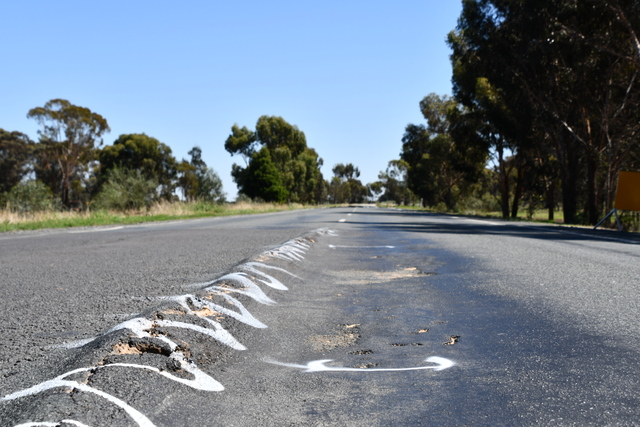
Infrastructure is also a barrier to regional investment. Roads and rail must be prioritised as the prosperity of regional communities and businesses depends on infrastructure that can expedite product to port and other domestic terminals.
I am proud of the Nationals’ fight for regions. Programs such as Roads to Recovery, Bridges Renewal Program, the Black Spot program and the Building Better Regions Fund must continue and expand to support regional growth to address these barriers to success.
Changing the way we do business in the regions, and indeed nationally, requires vision and the collaboration of bright minds; and I know many bright minds in regional Australia.
Post COVID-19, I hope we will reset, reconnect and reconsider the way we live. I believe our regional communities can lead the nation in resetting modern life, in reconnecting social interactions to value community, and in reconsidering how regions can engage in global business on a more equal playing field.