VICTORIA Police is warning motorists following a horror start to the year on the state’s roads, with a significant rise in road trauma in regional areas.
There have been 38 lives lost in the first 37 days of the year – a 35 per cent increase on 28 lives lost recorded at the same time last year.
It is also significantly higher than the five-year average of 27 for the same period.
January recorded 36 fatalities, which is the highest number of lives lost for the month since 2001 when there were 44 fatalities during January.
Of the 38 lives lost to date, 23 have occurred on regional roads – almost double the 13 recorded at the same time last year.
Provisional police analysis suggested almost two-thirds or 23 of the 37 fatal collisions occurred within 20km of the deceased’s residence.
Of those 23 people, 11 lived in regional areas while the remaining 12 resided in metropolitan and suburban locations.
Police are concerned about a significant rise in motorcycle fatalities, with 10 rider deaths this year – seven of which occurred on regional roads.
Provisional analysis of this year’s fatalities suggests that driver behaviour and driving errors, including excessive or inappropriate speed, unsafe overtaking, illegal u-turns, failing to stop or give way, fatigue and distraction have been major contributing factors in these fatal collisions.
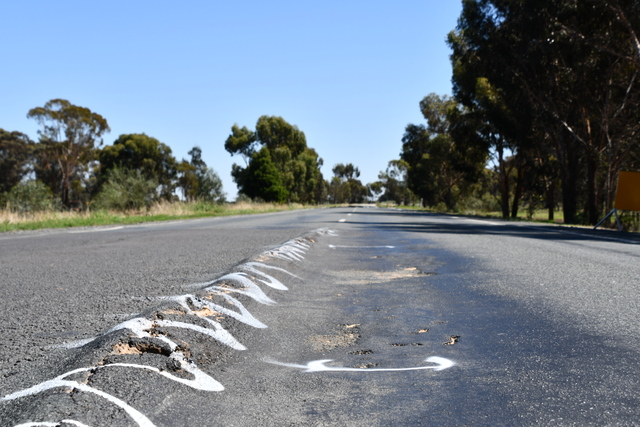
Police intelligence showed road conditions were not contributing to the significant rise in road trauma this year.
Victoria Police said it was determined to avoid a repeat of January and urged motorists to take extra care in the weeks ahead to try and curb the rising road trauma trend.
A statewide road policing operation will be launched early in March to coincide with the Labour Day long weekend in Victoria.
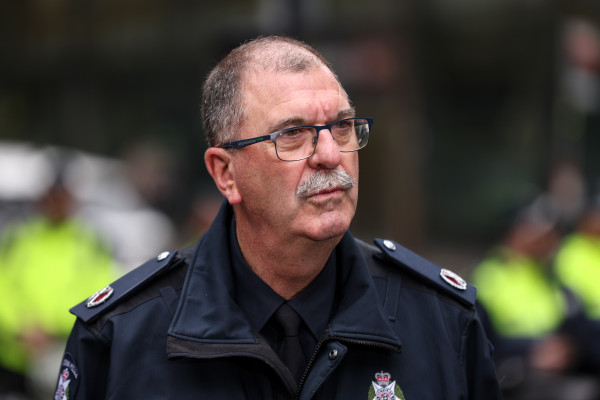
Road policing Assistant Commissioner Glenn Weir said people were “appalled” at the terrible loss of life in January.
“Last year we saw a significant rise in road trauma involving motorcyclists, and worryingly that trend has continued into this year,” he said.
“Early indications suggest driver behaviour and driver error is largely contributing to these fatalities.
“Many people are quick to blame road conditions and other factors, but the simple fact is many of the deaths are occurring close to where people live on roads known to them, complacency is a real issue.
“We know a visible police presence deters poor or careless driving, and while we will make every effort to be highly visible and enforcing across the state, we can’t just enforce our way out of this.
“Now is not the time to be complacent – if we can’t turnaround this rising road trauma trend, then we can expect to see this spike continue into the remainder of 2025.”