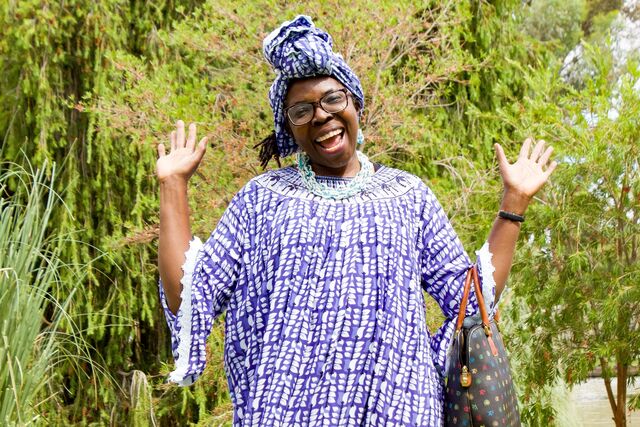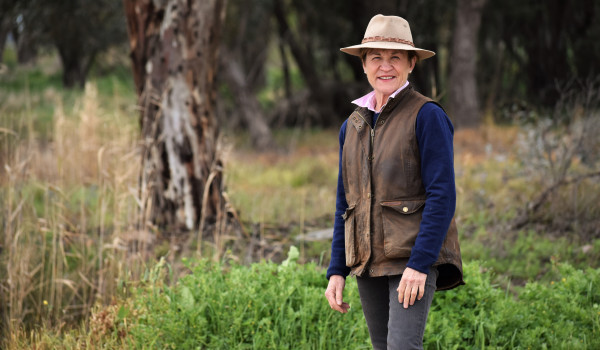
MEMBER for Murray Helen Dalton has urged NSW Premier Chris Minns to keep his pre-election promise to create an independent health district in the electorate.
“Before he was Premier, Chris looked me in the eye, shook my hand and promised that if he became Premier, he would pilot a new health district in Murray, allowing us to break away from the Wagga-based Murrumbidgee Local Health District,” Ms Dalton said.
“I took the Premier at his word then and I expect him to be true to his word now.”
Ms Dalton recently introduced the Health Services Amendment (Splitting of the Murrumbidgee Local Health District) Bill 2025 to Parliament.
The Bill would give the people of Murray their own local health district, called the Western Riverina Local Health District.
The new Western Riverina Health District would cover Leeton to Balranald including Deniliquin, Jerilderie, Berrigan, Finley, Leeton, Griffith, Hay, Hillston, Lake Cargelligo, Balranald, Barham, Moulamein and Tocumwal.
MLHD operates 33 public hospitals, 12 community health centres, employs more than 3800 staff and is supported by 33 Local Health Advisory Committees.
“If you live in Murray, the MLHD isn’t local at all, because it’s effectively run from Wagga. It may as well be run from Melbourne,” Ms Dalton said.
Ms Dalton said the MLHD fails to provide adequate care to the people of Murray, because it is run from so far away.
“We need, and deserve, locally based, locally-planned and locally-delivered health care services,” Ms Dalton said.
“We don’t want to be an after-thought, once Wagga has been looked after, like we are now.
“Wagga Base Hospital is already at breaking point.
“The creation of the Western Riverina Local Health District will reduce this strain by decentralising health service provision.
“This will reduce wait times and enhance the quality of services.
“Murray must have 24/7 specialist services, like maternity care, orthopaedics and surgery as well as increased mental health services.”
Ms Dalton told Parliament the Murray electorate was bigger than Scotland.
“Quite frankly, we deserve our own dedicated local health district,” she said.
“Proximity to medical services should not be a luxury but, too often, governments act like it is.
“The new Western Riverina Local Health District will ensure that residents receive prompt, effective care without the undue burden of excessive travel.
“Long and arduous trips to get medical care are never good for anyone’s health.”
Ms Dalton said the creation of the Western Riverina Local Health District would also mean control of budgets, and investments can be tailored to the region’s specific health landscape in Murray.
“That will allow us to ensure that our funds are used to address our unique health challenges, and not diluted across a broader, less focused area, as happens now,” she said.
In a statement, MLHD said it was committed to providing “timely, efficient and appropriate care to patients in every part of the district”.
“Health care services in MLHD are highly networked and have been developed to ensure patients across the district receive appropriate care depending on their clinical needs,” the statement said.
Wagga Wagga Base Hospital is the only rural referral-level facility in MLHD and it serves as a vital hub for specialist healthcare services to every part of the district.
“Splitting MLHD would have a detrimental impact on existing healthcare pathways and would see more patients needing to travel further from their homes to access appropriate care,” the statement said.
“Current arrangements allow staffing and community-based services to be networked and shared across the district. Removing those arrangements would require existing services to be replicated, adding significant costs, and would only add to current staffing shortages experienced in healthcare services nationwide.
“MLHD’s senior leadership team and several board members are based throughout the Murrumbidgee region, representing regional and rural patients and ensuring their unique healthcare needs are considered at an executive level.”