Across many parts of Asia, the monthly cycle silently restricts opportunity. For countless adolescent girls, lack of access to reliable menstrual products means missing school, not just for a day or two, but repeatedly. That absence, though quiet, compounds into lost potential, diminished confidence, and a frequently interrupted education.
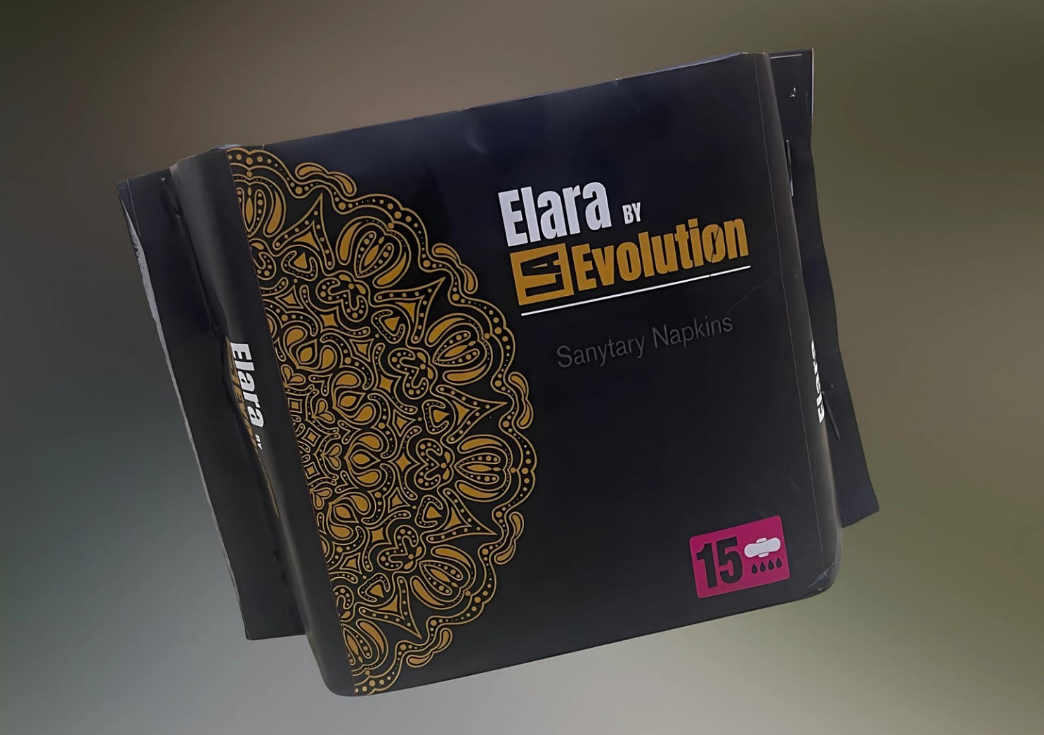
Dr. Malini Saba, through her Saba Family Foundation, refuses to accept that biology should be a stumbling block in a girl’s life. Her answer: ELARA, a menstrual‑care initiative built to close the gap between dignity and disruption.
The Weight of a Quiet Crisis
Menstruation may be natural, but when managing it costs more than pocket change, it can become a force that holds girls back. Many families in underserved communities simply cannot afford safe sanitary pads. What follows is a cycle of absence: girls skip school when they are on their period, fall behind in class, and lose momentum. Over time, the gap widens because something as ordinary as a period becomes a barrier.
This is a systemic problem. Menstruation is tied to gender, health, poverty, and education. Without affordable menstrual products and the education that demystifies them, girls are forced to weigh their dignity against their chance to learn. That trade-off has become shockingly common and deeply unjust.
A Mission Woven Into Every Pad
ELARA was born out of that injustice, through the Saba Family Foundation. Dr. Saba has devoted decades to addressing entrenched inequities, and she sees menstrual equity as one of the most fundamental fronts. Through ELARA, she is pushing beyond charity, toward long-lasting change.
The pads themselves are made to be both practical and respectful. They are biodegradable and engineered to meet high standards of comfort and hygiene. Using her own network, Dr. Saba streamlines production through the Saba Group, keeping costs low without compromising quality. This allows ELARA to distribute pads at cost to remove a barrier.
Distribution is strategic. The Foundation is placing supplies in schools, so that every student has a chance to access them. At the same time, ELARA partners with local retailers, ensuring pads remain available also in homes. By embedding the product where girls live and learn, the Foundation builds access into daily life.
Breaking the Cycle with Empathy and Evidence
ELARA builds on concrete experience. Earlier work in East Africa showed how menstrual support programs can change lives. In her public statements, Dr. Saba has repeatedly emphasized that this is about systems change. She argues that long-term commitment and community ownership are the way forward.
Her model draws strength from partnerships. Rather than parachuting in, the Saba Family Foundation is working with local leaders, educators, and health workers. “We’re not interested in being saviours. We’re partners,” Dr. Saba has said. “The people living the problem are the experts. Our role is to remove barriers: cost, supply, stigma and back local leadership.”
This is change rooted in dignity. Access to pads is paired with education—: pen, honest conversations about menstruation in schools, for both girls and boys. The goal is to challenge stigma, shift social norms, and affirm that managing one’s period safely is a right.
Equity that Reaches Farther Than Borders
Dr. Saba’s vision is global, but her strategy is local. Through the Saba Family Foundation, she channels resources into education, healthcare, and women’s empowerment across Asia, Africa, and beyond. ELARA is part of that mission: a focused, tangible intervention that speaks to education, health, and environmental responsibility all at once.
By producing affordable biodegradable pads, ELARA tackles waste even as it addresses need. That matters in communities where disposable hygiene products are not just expensive, they can also strain fragile sanitation systems. And by keeping distribution anchored in schools and neighborhoods, ELARA helps make menstrual health part of everyday life.
Dr. Saba’s commitment goes beyond funding. She has repeatedly called for systemic change: building menstrual equity into how schools, governments, and communities operate, rather than relying on stopgap donations. Her message is clear: access to menstrual care is about a foundation for opportunity.