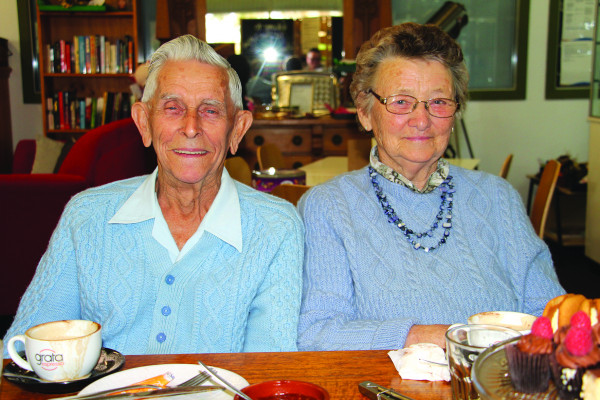
WHEN you’re a carer for someone else, it’s always important to also take care of yourself.
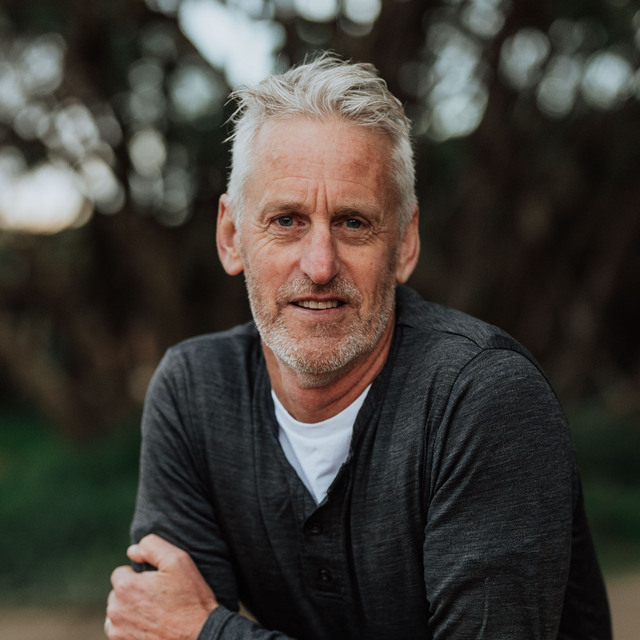
Barb Van Laarhoven has been a carer for her husband, Con, who had a stroke about eight years ago.
It’s people like Barb who are being celebrated and recognised this week with National Carers Week.
Held from October 13 until 19, the week raises awareness, shows appreciation and recognises the role carers play in the community.
“It gives them (carers) a chance to be together, sometimes to have a conversation about the problems that they might have,” Ms Van Laarhoven said.
“Or, just to feel that it’s taking a bit of a break from everyday things, even if it’s only one day.”
Ms Van Laarhoven said carers were usually family members or friends providing support for adults or children.
“Some of them care for the people a couple of hours a week and some all day every day, so it may make demands on you,” she said.
“So, if you’re a carer, you have to take care of yourself as well, and that’s really what carers week is as well.”
Ms Van Laarhoven said the national celebration was about knowing “your’re not alone”.
“It’s easy to become isolated when you’re a carer, but that doesn’t apply to all of us,” she said.
She said taking up the role of carer was “what most of us would call a u-turn”, a change in their lifestyle.
“You can go from just being a normal couple to having someone who can’t find the right words or put them in the right order,” Ms Van Laarhoven said.
“And has trouble with complicated instructions and conversations, words and numbers.”
Ms Van Laarhoven has offered some tips to other carers on ensuring they take care of themselves.
“You’ve got to get out a bit yourself and you’ve got to be able to take breaks from care if you can,” she said.
“You’ve obviously got to stay healthy and get regular exercises, rest, sleep and regular meals to get another break from caring.”
Ms Van Laarhoven said organisations carers could turn to included Commonwealth Respite and Carelink Centres and Swan Hill District Health (SHDH).
“If you’re not coping then it is available for people to phone in on if they need help for that,” she said.
SHDH hosts the Social Communication Group at the Community Rehabilitation Centre.
Run by a speech pathologist, stroke survivors meet on Friday afternoons from 2pm until 3pm.
Ms Van Laarhoven said carers were also welcome to attend.
“It’s quite a good organisation compared with the stroke group itself which has its own meetings once a month for people to get together,” she said.