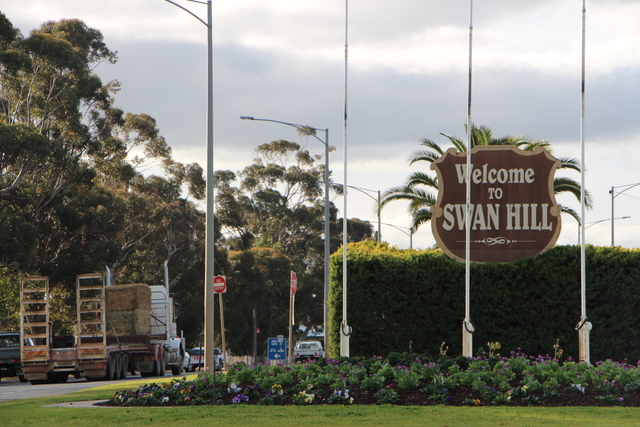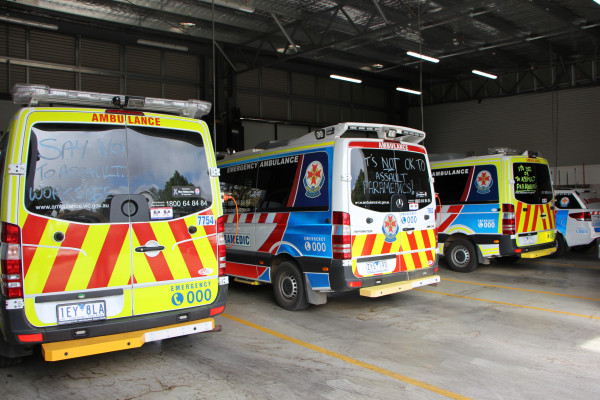
SWAN Hill paramedics are responding to code one emergencies well within target timeframes, despite challenges of distance and population spread.
According to the latest performance data released, measuring ambulance response times from July 1 to September 30, paramedics arrived to 91.5 per cent of calls within the urban centre (UCL) within the target 15-minute timeframe, averaging a response time of eight minutes and 56 seconds.
Response times dropped slightly for code one calls — those requiring lights and sirens — in the wider local government area (LGA), with ambulances reaching 74.4 per cent of incidents within the 15-minute target.
Average response time was 13 minutes and 32 seconds.
Code two response times for both the urban centre and local government area were their quickest in 12 months, though both were above the state average.
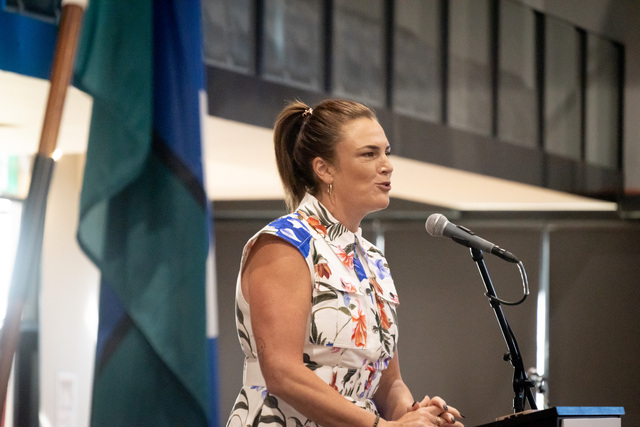
Regional director Loddon Mallee Michael Georgiou said performance was “moving in the right direction”.
“Overall performance is pretty good,” he said.
“We’ve seen our performance in the UCL improve, the target is 90 per cent and we’re at 91.5, so we’re above it, and we’re very pleased with that.
“This time last year that result was at 89.3 per cent, so we’re pretty happy to be achieving the target, and it obviously supports patient outcomes.”
Mr Georgiou said while from a LGA perspective times had deteriorated — adding 14 seconds onto the average response time — he added it was “important to understand the drivers behind that”.
“With these cases, a big factor is distance,” he said.
“Our cases within the LGA, by and large are in Robinvale, so if that ambulance is out of town then help is coming from Nyah West, Swan Hill or Mildura, we’ll never make the 15-minute time frame there.
“Another part of that is the population demand, and the data disparity, but we are doing our best to service that area.”
Mr Georgiou said improvements in code two response times were down to resource availability and location.
“Clearly we have improved, we’re still no quite at the 30 to 25-minute mark we want, but we’re definitely moving in a positive direction,” he said.
“Code two response in the LGA has improved again, and with an increased workload, we have improved, we’re meeting demand and that is also down to ambulance availability.”
Mr Georgiou said response times compared favourably to statewide performance.
“From a UCL perspective (for code one) we’re above the state average, we’re doing quite well,” he said.
“Statewide, the average sits at about 88 per cent, for a response within the 15-minute timeframe, so from a state perspective our performance is above that.
“With the code two response, we’re a bit behind, but in saying that we have a far greater distance to cover and more remote communities.”
Across the state, Ambulance Victoria paramedics attended 78,130 code one emergency cases in the months of July, August and September 2019, up from 69,753 code one patients for the same period last year.
Ambulance Victoria chief executive officer Tony Walker said the long and prevalent 2019 flu season contributed to increased patient demand and hospital attendance.
“We know that the winter flu season accounted for a spike in respiratory and cardiac cases requiring emergency attendance and addition to hospital,” he said.
“Simultaneously, we experienced an increase in the proportion of emergency cases requiring hospitalisation, increasing the burden on hospital emergency departments and the time ambulances are spending at hospitals to transfer patients.
“Clearly, this impacts ambulance availability and, therefore, our response times.”