Looking for a travel experience that’s a fair way from your usual European jaunt or Southeast Asian escape? West Africa might just be the go – a massive slab of the continent positively brimming with incredible cultures, a potent history, and seriously vibrant daily life that’ll give you stories for years.
Let’s be upfront, West Africa probably doesn’t top the list when most Aussies are sketching out their big overseas adventure. It’s not as straightforward as some spots, for sure. But for those with a bit of grit, keen to venture beyond the more familiar tourist trails, this sprawling region serves up something truly unique and often mind-blowing. We’re talking a massive tapestry of nations, from the desert fringes of Mali and Niger stretching down to the lush, tropical coastlines of places like Ghana, Senegal, or Côte d’Ivoire, each with its own distinct flavour. This is where you can trace the origins of musical genres that have swept the globe, hear tales of mighty ancient empires that once ruled vast swathes of land, and wander through markets that are an absolute riot of colour, sound, and scent. It’s also a region with a confronting history, particularly concerning the transatlantic slave trade, that offers profound lessons. Travel here might present a few more logistical hurdles than your average getaway, no doubt, but the genuine warmth of its people and the sheer, unvarnished richness of the experience? You’ll reckon it’s well worth the effort.
More than just beaches: what’s the big deal?
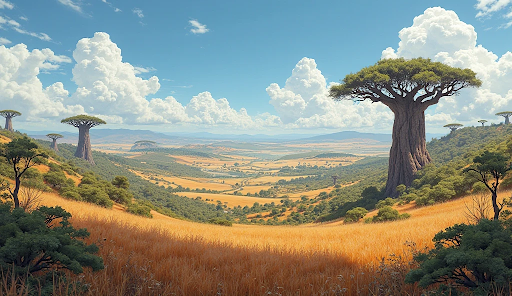
So, what’s drawing people to West Africa? Well, for starters, the sheer variety of landscapes is pretty incredible. You’ve got the southern edges of the Sahara Desert up north, transitioning into the Sahel – that semi-arid belt stretching across the continent. Further south, there are vast savannas, and then you hit the proper tropical rainforests in countries closer to the coast. And speaking of coasts, West Africa has thousands of kilometres of Atlantic shoreline, from rugged cliffs and pounding surf to tranquil lagoons and mangrove systems teeming with birdlife. Big rivers like the Niger and the Senegal carve their way through the land, acting as lifelines for communities and agriculture. It’s a far cry from the red dirt of the Outback or the beaches of Queensland, offering a completely different kind of natural beauty and a real sense of adventure.
A tapestry of traditions and artistry, where modern rhythms meet ancient roots
The cultural scene in West Africa is just phenomenal – it’s the heart and soul of the place. Deep-rooted oral traditions are a massive part of life, with elders and designated storytellers captivating audiences as they pass down histories, ancestral legends, and moral tales, often through engaging community gatherings. Then there’s the incredible visual artistry: stunning masks used in ceremonies each holding deep symbolic meaning, intricately woven and dyed textiles like the famous Kente cloth, detailed bronze work showcasing centuries of metallurgical skill, and a contemporary art scene that’s really starting to make waves internationally. Chuck in a heap of vibrant festivals celebrating everything from harvests to religious figures and community milestones, often filled with elaborate costumes, traditional rituals, and communal feasting, and you’ve got a cultural immersion that’s second to none.
A look back: the good, the bad, and the formative
You can’t really get a handle on West Africa today without understanding its history, which is both inspiring and incredibly tough. Ages ago, massive empires like Ghana, Mali (think Mansa Musa, famously loaded), and Songhai were the big players, controlling trans-Saharan trade in gold and salt, and fostering centres of learning like Timbuktu. Then came the Europeans, and with them, the horrors of the transatlantic slave trade. Millions were forcibly taken from their homes, and places like Gorée Island in Senegal or Cape Coast Castle in Ghana are gut-wrenching but essential sites to visit to comprehend the scale of it. Colonialism followed, carving up the continent, and then the struggles for independence in the mid-20th century. It’s a complex past, but it’s shaped the resilience and character you see today.
Exploring the coasts and beyond: ways to get around
For Aussies wanting to explore West Africa’s incredible coastline with a fair bit of comfort and style, luxury cruises are a starting point to make serious inroads. These aren’t your massive floating cities; think smaller, more specialised vessels designed to offer unique access to places like the stunning volcanic islands of Cape Verde with their unique Creole culture, or Senegal’s historic ports and the Sine-Saloum Delta. Onboard, you’ll generally get expert talks on the region’s history and wildlife, and then you’re off on guided trips to check out buzzing cities, or even some of the national parks for a bit of wildlife spotting – though it’s a different kind of safari to what you might find in East or Southern Africa. It’s a pretty good way to cover a lot of ground and get a taste of different spots without the usual overland travel hassles, which can be challenging in some parts. Of course, for the more hardcore adventurers, there’s always overland travel, which is an experience in itself.
The real West Africa today: grit, growth, and what to expect
Modern West Africa is a place of massive energy and rapid change. Cities like Lagos in Nigeria are mind-bogglingly huge and chaotic but also powerhouses of innovation (Nollywood, anyone?). Accra in Ghana and Dakar in Senegal are also dynamic hubs. You’ve got a really young population driving a lot of this change, full of entrepreneurial spirit. Agriculture is still a big employer, but there are growing tech scenes and, of course, natural resources play a part in many economies. It’s not all smooth sailing – there are definite challenges with infrastructure, governance in some spots, and economic development. But what really stands out is the resourcefulness and resilience of the people. They’re used to making things work, often with a grin. It’s a region that’s definitely on the move.
The takeaway: our two cents
So, if you’re an Aussie traveller with an adventurous streak, looking to swap the predictable for something genuinely eye-opening and a bit off the beaten track, West Africa is a deadset ripper of a choice. It’s a full-on, dazzling, and complex part of our world that’ll challenge your outlook and reward you with incredible stories, infectious rhythms, and unforgettable sights. It’s not always a cruisy ride, no doubt, but the depth of culture, the weight of history, and the sheer vibrant spirit of its people? That’s something truly special, and well worth making the journey for, mate.