TWENTY-TWO years since the violent murder of his brother near Swan Hill, a local Mallee man is pleading with NSW police to update him on the case.
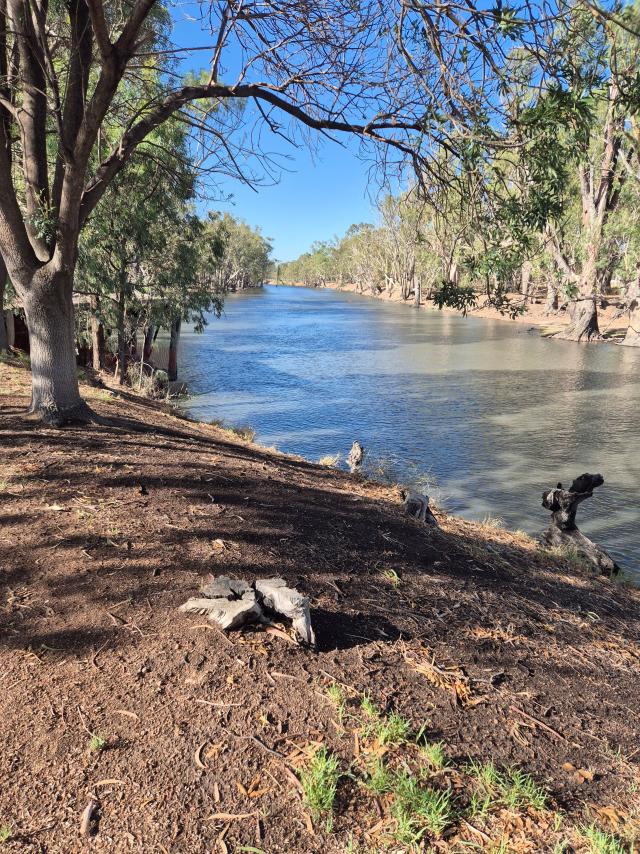
Aaron Riley was just 15 years old when his half-brother – 23-year-old Nathan Ascher – had his skull smashed in, before his ankles, legs and wrists were bound by duct tape and his body, attached to a 25kg slab of cement, was dumped in the Wakool River.
Mr Riley – Mr Ascher’s only living sibling – said he felt let down by police detectives, who had not been in contact with him since 2010.
“I don’t even know what unit is managing his case.” Mr Riley said.
“Also, I’m of the opinion that the physical evidence relating to Nathan’s murder has not been retested since the amazing evolution of DNA technology.
“I feel as if Nathan’s case is not important to NSW police to solve.”
Mr Riley fears the case has been overshadowed by other outstanding, more current investigations.
“I do understand and appreciate the NSW police team have a lot of unsolved cases and the workload would be intense for them,” he said.
“But I do think it’s important they look at Nathan’s case again – in its entirety – ensuring the physical evidence is re-tested with the advancement of DNA technology, and continue their investigations of those two individuals that were originally committed to stand trial for Nathan’s murder.
“If they didn’t do it, they certainly had knowledge of who did.”
Police believe Mr Ascher was on his way to Melbourne to meet up with his drug supplier on July 7, 1999, when he made a detour to Swan Hill to collect a drug debt.
Following an eight-month investigation, a Swan Hill man and another man from Wangaratta – the last known people to have seen Mr Ascher alive – were charged with his murder.
They faced a committal hearing and were ordered to stand trial for murder. However, the charges were dropped before proceedings began.
The two men said the deceased had walked off alone after their car ran out of fuel, while calls that evening by a woman who travelled to Swan Hill with Mr Ascher went unanswered.
The committal hearing held at the Wentworth Local Court was told the men had been suspects “very early on” because of threats Mr Ascher had made to the sister of one of the men.
The suspected murder weapon – an iron bar – was found near where police believe Mr Ascher was killed.
A forensic pathologist said Mr Ascher was struck up to eight times to the back of the skull and face, causing substantial injuries, which was most likely the cause of his death.
“The base of this guy’s skull was smashed,” the pathologist said at the time.
Forensic evidence, including the iron bar, the cement block, duct tape and blood and dog hairs on a jumper wrapped around Mr Ascher’s head, were all part of the prosecution’s circumstantial case.
Mr Riley said he felt that because his brother’s murder was drug related, his death was not considered important.
“There’s been somewhat of a prejudice, potentially, by police given Nathan was clearly involved in drug-related activities – and therefore isn’t as important as a ‘perfect’ person who was murdered,” Mr Riley said.
“But he was my brother and, given I am Nathan’s last surviving immediate family member, I am determined to see justice prevail – absolutely.”
On the 10-year anniversary of Mr Ascher’s death in 2009, police said they hoped advanced DNA technology would help to catch the killers.
But Mr Riley said he was unsure if re-testing of the items seized had been carried out.