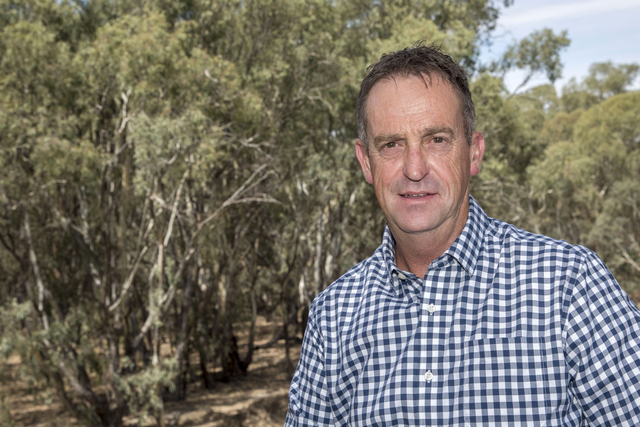
NATIONAL Irrigators Council chair Jeremy Morton says the Federal Government was priced out of buying the remaining water it needed to return to the environment.
The government bought 26GL from water off willing sellers last week, as part of the Bridge the Gap target, an element of the original basin plan legislation to buy back 2100GL for environmental water, of which there is now still 18GL to recover.
Mr Morton said he didn’t necessarily believe there was a lack of people willing to sell.
“The reason they hadn’t pursued all of the water to bridge all the gap is people were looking for more money than the government were prepared to pay,” Mr Morton, also a rice grower in the Moulamein district, said.
“I think what it does show is that while there may well be willing sellers out there, they’ve got a price that they want that the government is not prepared to pay.
“So it’s going to be interesting to see how they actually manage to recover the water they are looking to recover.”
It was not clear how many farmers or water licence holders successfully sold water to the Commonwealth, or at what price, with the cost of each buyback likely to vary depending on factors such as water reliability and location.
With transparency in the water market a reform in the amended basin plan legislation that was passed last year, Mr Morton said he didn’t believe the government had been open enough with their purchases.
“They have put more information up there, but it is still not absolutely clear what type of entitlement in each valley and how much they have paid for each one,” he said.
“As a principal, they committed to making it clear, so for taxpayers, they would probably like to see that.
“It’s also important because they are a buyer in the market, and if someone is looking to sell water, then in a properly functioning market you should be able to see price and volume.”
While the National Irrigators Council’s view was still firmly against water buybacks, Mr Morton said the government was currently undertaking a regulatory impact statement to try to alleviate some of the impacts on basin communities.
“Our view would be to not do the buybacks because there is a whole lot of other things we can do, but if you are going to do it, you need to somehow make good for the impact,” Mr Morton said.
“You have got to take it at face value – the minister told us they were doing this work.
“It doesn’t mean there won’t be impacts, but I guess sometimes governments make decisions about what’s going to happen, and there are impacts and then they try and mitigate it.”