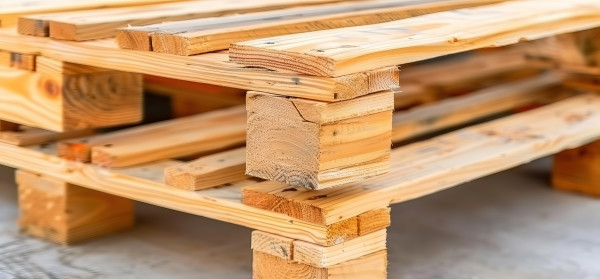
Pallets are essential in many industries, acting as the primary method for transporting goods. Whether used in warehouses, shipping, or manufacturing, pallets are integral to the supply chain. However, the heavy usage of pallets often leads to damage and wear, raising the question: what happens when pallets are no longer in usable condition? The answer lies in pallet recycling, a process that transforms worn-out pallets into reusable materials, helping to reduce waste and benefit both businesses and the environment.
Step 1: Collection and Sorting
The first step in the pallet recycling process is the collection of used pallets. Companies that provide pallet collection services gather old or damaged pallets from various sources, including warehouses, factories, and shipping companies. Once collected, the pallets are transported to recycling facilities where they are sorted based on their condition. Pallets that are still in good shape may be reused directly, while those that are damaged beyond repair are sent for disassembly and recycling.
Step 2: Inspection and Repair
For pallets that are not completely broken, the next step is inspection and repair. Many pallets, even if they have minor damage such as loose nails or broken slats, can be repaired and reused. The repair process may involve replacing damaged wooden slats, securing loose nails, and sometimes even sanding down rough edges to ensure the pallets are safe to use again. This helps to extend the lifespan of the pallets and reduce the need for new materials.
Step 3: Disassembly and Breakdown
When pallets are too damaged to be repaired, they are disassembled for recycling. This involves breaking down the pallet into its constituent parts—typically wood, nails, and sometimes metal. The wood from these pallets is then sorted for further use. The nails and metal parts are usually removed and either recycled as scrap metal or disposed of according to local waste management guidelines.
Step 4: Repurposing the Materials
Once the pallets are broken down, the wood can be repurposed in a variety of ways. One common use is turning the wood into wood chips, mulch, or sawdust, which can be sold to landscaping businesses or used for energy production. The repurposed wood can also be used to create new pallets, furniture, or other products, making the recycling process highly sustainable. In some cases, the wood is processed into compressed wood products like particle board or fiberboard.
Step 5: Reuse and Resale
After repairs or repurposing, the pallets are ready for resale or reuse. Businesses that need pallets for shipping or storage can purchase these recycled or refurbished pallets at a fraction of the cost of new ones. This makes pallet recycling a cost-effective solution for many industries. The environmental benefits of recycling are significant as well, as it helps conserve natural resources and reduce landfill waste.
Why Pallet Recycling Matters
Pallet recycling not only supports businesses in need of affordable, durable pallets but also contributes to a more sustainable economy. By recycling used pallets, companies can reduce their carbon footprint, lessen the demand for virgin materials, and cut down on waste. The process also provides valuable raw materials for other industries, which creates a circular economy where resources are continuously reused.