LIFE in rural or regional Victoria is rarely reflected on the big screen these days, a deficiency that filmmaker Aaron Wilson is striving to address through his recently released film, Little Tornadoes.
Set in the 1970s, the film was initially released at the Melbourne International Film Festival. And when Wilson took the film on the road for a Q&A tour across regional Victoria, he discovered that it resonated with audiences.
He said that these stops were incredible because the film “promoted an inclusive discussion” about themes and experiences from the 1970s still relevant today and why it’s so important to have more films set in places that we live.
“There is so much more to regional Australia then just one type of filmmaking,” he said.
There is so much diversity to be explored in our regional areas. That’s what I’m focusing on, the diversity in story telling, the diversity in characters that we are showing.
“My film might be set in the 70s but it’s speaking to what’s happening today.”
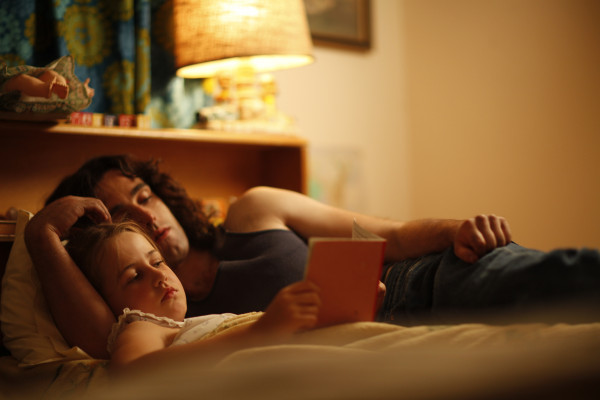
Little Tornadoes is the story of a introverted metal worker, Leo, who struggles to keep his family together after his wife leaves him. With little to no support from his father, who is nursing his own psychological wounds from his time at work, Leo flails until he meets Maria, a recently arrived Italian immigrant who agrees to help him at home. This begins an important connection for two adults who are similarly trying to adapt to their newfound circumstances.
Wilson was able to use the events of the time – from immigration and post-war resentments, to anti-war protests to the women’s liberation movements – to show startling parallels to life today in regional Victoria.
“I wanted to look at a period time that was slightly nostalgic, but where also a great period of social change is happening. When we had new Australians arriving there are parallels to what’s happening today – first there was fear and misunderstand but ultimately what I wanted to show was that this is cyclical. People come and they bring something that is new but ultimately what’s exciting is that we adjust and we grow as a country because of that.”
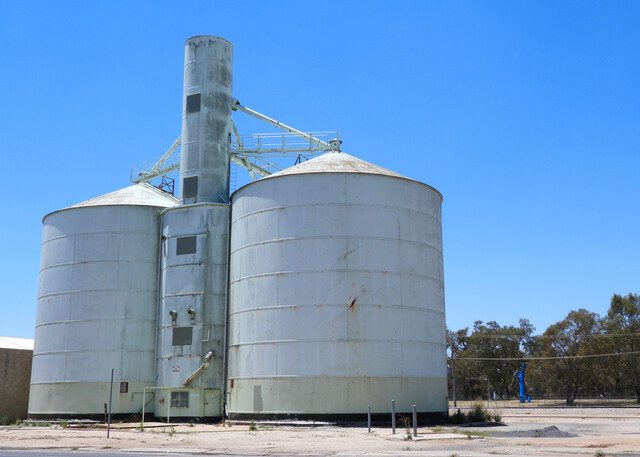
It’s both the specificity and broadness in the film that allows audiences to feel so connected to the story. Whilst there are intricate details of each character allowing an audiences empathy to take hold, the town that the film is set in is never given a name. Similarly, even though there are certainly very evoking images of the open landscape, there is never anything overly telling about filming locations.
“It wasn’t my intention to make the town a character, it was the people in it,” he said. “I didn’t overthink it, I just wanted it to feel right.”